Food Hygiene
 Health & Safety
 Safeguarding
 First Aid
 Business Skills
 Personal Development


The health and social care sector is one of the most dynamic and demanding fields in the United Kingdom. Staff face a wide variety of challenges on a daily basis, from supporting individuals with complex needs to navigating evolving regulations and maintaining high standards of care. Rising service demands, workforce shortages, and increasingly diverse care needs mean that staff must be equipped with the skills, knowledge, and confidence to perform effectively in a range of environments.
In such a context, continuous learning is no longer a supplementary activity — it is a core element of workforce strategy. Organisations that prioritise ongoing training not only improve the quality of care they provide but also create a motivated, confident, and resilient workforce. Digital learning has emerged as an indispensable tool in achieving these outcomes. It allows care providers to deliver structured, accessible, and engaging training programmes to staff, regardless of role, location, or shift pattern.
Table of Contents
Why Upskilling Matters in Health & Social Care
The sector is characterised by complexity. Many service users live with multiple long-term conditions, cognitive impairments, or disabilities, and they often require a combination of physical, emotional, and social support. Your staff must therefore be competent in a wide range of skills, from safeguarding and communication to infection prevention and practical care delivery.

Enhancing Competence and Confidence
Training increases staff competence, ensuring they understand procedures, legislation, and best practice guidelines. For example, completing a Safeguarding Adults Level 2 course enables staff to identify potential abuse, act appropriately, and follow the correct reporting procedures. Confident, competent staff are more likely to make informed decisions, handle challenging situations effectively, and provide higher-quality care to service users.
Improving Staff Retention and Wellbeing
Staff retention is a significant challenge in health and social care. High turnover can disrupt continuity of care and place additional pressure on remaining team members. By offering structured training opportunities, organisations demonstrate investment in employees’ professional growth, which improves morale and reduces burnout. Online learning ensures staff feel supported and valued, contributing to a positive workplace culture that fosters loyalty and long-term engagement.
Ensuring Compliance and Quality
Health and social care organisations operate under strict regulatory frameworks, including safeguarding, health and safety, infection control, and the Mental Capacity Act. Failure to meet compliance requirements can result in serious consequences, from enforcement actions to reputational damage. Digital learning provides a reliable method to ensure that every team member receives consistent, up-to-date training, reducing the risk of errors and improving overall care standards.
Preparing for the Future
The sector is constantly evolving. Technology is increasingly integrated into care delivery, digital record-keeping is becoming standard, and service users expect more personalised care. Ongoing training ensures staff are prepared for these changes. By upskilling employees today, organisations future-proof their workforce, making them adaptable, resilient, and ready to meet emerging challenges.
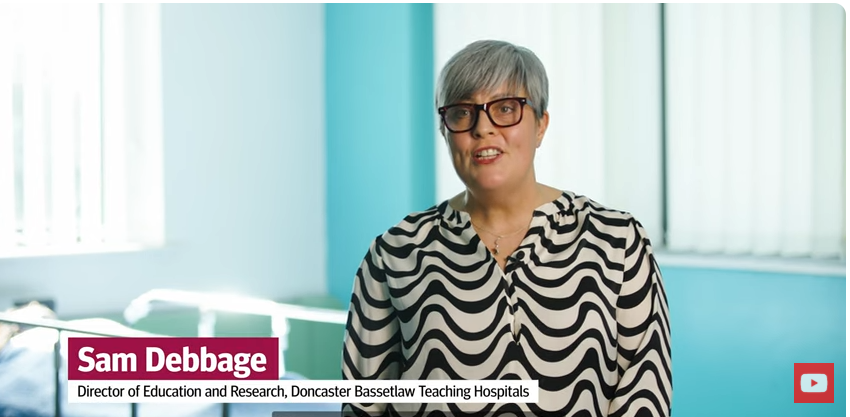
“Watch this video to get a real insight into what it’s like to have a career in health and social care.”
The Rise of Online Learning in Care Settings
Digital learning has transformed the way your workforce approaches workforce development. It provides a flexible, cost-effective, and scalable alternative to traditional classroom-based training.
Flexibility and Accessibility
Care teams often work irregular hours and across multiple sites, making it difficult to coordinate face-to-face training. Online learning allows staff to complete modules at convenient times, whether between visits, during quieter shifts, or even at home. Learning materials are available on-demand, and staff can revisit content to reinforce understanding.
Cost-Effectiveness
Traditional training involves venue hire, travel, and facilitator costs. For organisations with large or geographically dispersed teams, this can be prohibitively expensive. Digital learning eliminates many of these costs while providing a consistent quality of training. It is particularly beneficial for onboarding new employees, as courses can be reused without additional expense.
Consistency and Scalability
Ensuring that every team member receives the same standard of training is critical. Online modules guarantee consistent delivery of essential knowledge, regardless of location or trainer variation. Whether a care provider has 10 staff or 300, every learner can access the same high-quality content.
Engagement and Interactive Learning
Modern e-learning incorporates interactive elements such as video demonstrations, scenario-based exercises, quizzes, and downloadable resources. These features increase engagement, improve knowledge retention, and encourage practical application of skills. For example, staff completing the End-of-Life Care course gain hands-on insights into communication, comfort care, and emotional support, enhancing both confidence and competence.

Key Training Areas for Health & Social Care Teams
Successful training for your staff requires a mix of mandatory, statutory, and specialist programmes. The following areas are essential for modern care teams:
Person-Centred Care
Delivering care that respects individuality and dignity is fundamental. The Person-Centred Care and Communication Skills course equips your staff with techniques for building rapport, managing challenging interactions, and tailoring support to each service user’s needs. By understanding preferences and priorities, employees can provide more effective and compassionate care.
Safeguarding Vulnerable Adults
Every member of your workforce must know how to recognise and respond to abuse. The Safeguarding Adults at Risk – Level 2 course provides staff with the knowledge to identify warning signs, report concerns appropriately, and follow organisational safeguarding protocols. Embedding these skills helps protect vulnerable service users and ensures compliance with legal requirements.
Infection Control
Maintaining hygiene standards is critical for protecting both your team and service users. The Infection Control for Healthcare course covers essential topics such as hand hygiene, correct use of PPE, and environmental cleaning procedures. Completing this course helps employees minimise the risk of infections spreading within care settings.
Mental Health Awareness
As more service users experience mental health challenges, your staff must recognise signs of distress and respond effectively. The Mental Health course provides strategies for supporting individuals with anxiety, depression, or other mental health conditions, improving both safety and quality of care.
Dementia Care
Supporting service users living with dementia requires patience and specialised knowledge. The Level 2 Course in the Principles of Dementia Care teaches your employees how to manage symptoms effectively, promote independence, and communicate compassionately with individuals and their families.
Safe Patient Handling
Ensuring staff and service users remain safe during mobility tasks is essential. The Diploma in Patient Moving and Handling Level 3 course provides practical guidance on correct lifting, transferring, and positioning techniques, reducing the risk of injury and improving care outcomes.
Medication Administration
Safe administration of medication is critical in care settings. Online training equips your team to follow protocols, manage documentation, and reduce errors. Regular access to training ensures employees remain confident and competent in their practice.
Tailoring Training to Different Care Environments

Health and social care covers a diverse range of settings, each with specific training needs:
- Residential care homes: Focus on safeguarding, infection control, and person-centred care to maintain consistent standards across the team.
- Domiciliary and home care: Flexible, on-demand training allows lone workers to complete essential modules such as manual handling or medication administration between visits.
- Mental health and specialist services: Optional modules in behaviour management, dementia awareness, or end-of-life care help staff develop specialist skills.
- Hospitals and clinical settings: Digital learning ensures consistent compliance training, mandatory refreshers, and professional development across departments.
By tailoring online courses to different environments, organisations can address both mandatory requirements and role-specific learning needs.
Creating a Culture of Lifelong Learning
Embedding a culture of continuous professional development (CPD) requires a strategic approach:
- Leadership: Managers who model continuous learning and recognise staff achievements encourage engagement.
- Integration: Training should be linked to induction, supervision, appraisals, and career development pathways.
- Protected learning time: Allocating time for online modules during shifts increases completion rates.
- Progress tracking: LMS dashboards allow managers to monitor learner progress, identify gaps, and provide targeted support.
- Recognition: Certificates, awards, and career progression opportunities reinforce the value of learning.
- Peer learning: Team discussions and collaborative reflections deepen understanding and strengthen cohesion.
A strong learning culture empowers staff, improves retention, and ensures consistent, high-quality care delivery.
Implementing a Structured Training Plan
A clear, structured approach ensures training is effective and sustainable. For example, a medium-sized residential home might adopt a quarterly plan:
Quarter | Mandatory Courses | Optional / Role-Specific Modules |
Q1 | Safeguarding, Infection Control | Manual Handling |
Q2 | Person-Centred Care, Mental Health Awareness | End-of-Life Care |
Q3 | Safeguarding refresher | Behavioural Support |
Q4 | Performance-linked review | Specialist optional modules |
Digital learning enables staff to complete modules flexibly, ensuring learning is continuous without affecting care delivery.

Tracking and Measuring Impact
Data-driven insights allow managers to evaluate training effectiveness:
- Identify staff requiring additional support
- Monitor course completion and engagement
- Assess skill gaps within teams
- Align training with organisational goals and inspection requirements
By leveraging digital learning analytics, organisations can improve workforce planning, maintain compliance, and deliver consistently high standards of care.
Maintaining Compliance and Quality Assurance
Health and social care organisations are subject to rigorous regulatory oversight. Agencies such as the Care Quality Commission (CQC) and professional bodies require evidence of staff training and competency. Digital learning platforms simplify compliance management by providing:
- Trackable completion records for audits
- Certificates for inspection readiness
- Progress reports to identify overdue training
- Evidence of continuous professional development (CPD)
For example, completing Mandatory Training for Care Staff & Care Workers provides staff with essential knowledge on safeguarding, infection control, health and safety, and day-to-day care responsibilities, ensuring they are competent, confident, and compliant with regulatory standards. Similarly, the Social Worker – Health & Wellbeing course helps staff understand strategies for promoting mental and physical wellbeing, supporting clients holistically while enhancing their professional practice.
Leveraging Data to Drive Workforce Development
One of the most powerful aspects of online learning is the data it generates. Digital platforms allow managers to:
- Monitor which staff have completed training and when
- Identify individuals or teams with gaps in required competencies
- Track performance in assessments and quizzes
- Link training data to service outcomes, helping identify training effectiveness
This insight enables organisations to implement targeted interventions. For example, if staff consistently struggle with manual handling assessments, additional support or refresher modules can be provided. Similarly, data can inform succession planning by highlighting employees ready for promotion or advanced responsibilities.
By using data-driven insights, care providers can improve workforce planning, enhance staff capability, and maintain compliance with minimal administrative burden.
Training Express Team Training: Scalable Workforce Solutions
Many care organisations require a comprehensive, easy-to-manage solution to deliver consistent training across teams. Training Express Team Training offers a tailored B2B platform designed specifically for health and social care providers, supporting both small teams and large organisations.
Trusted and Accessible
With over one million learners worldwide, Training Express ensures access to all flagship courses, certificate issuance upon completion, and a user-friendly business dashboard. Packages start from £2.33 per user per month, making it highly cost-effective.
Flexible Packages for Teams of Any Size
Training Express offers flexible packages designed to suit teams of any size. For small teams of 5–20 staff, the cost is £47.90 per user per annum, giving full access to all flagship courses, a dedicated account manager, certificates of completion, and learner progress tracking through the LMS.
Mid-sized teams of 21–50 staff can access all courses at £34.60 per user per annum, with the same benefits of dedicated account management, progress tracking, and LMS access.
Larger teams of 51–250 staff benefit from LMS access, reporting, and certificate management, along with custom administrative support, at £27.90 per user per annum. This package is ideal for organisations looking to manage larger groups efficiently.
For organisations with more than 250 staff, bespoke solutions are available. These include customised training plans based on headcount and roles, flexible pricing, and options for advanced reporting and integrations, ensuring that large-scale teams receive tailored support to meet their specific training needs.
By offering packages tailored to different sizes of teams, Training Express allows organisations to scale learning efficiently while maintaining high-quality delivery.
Accredited Courses and Quality Assurance
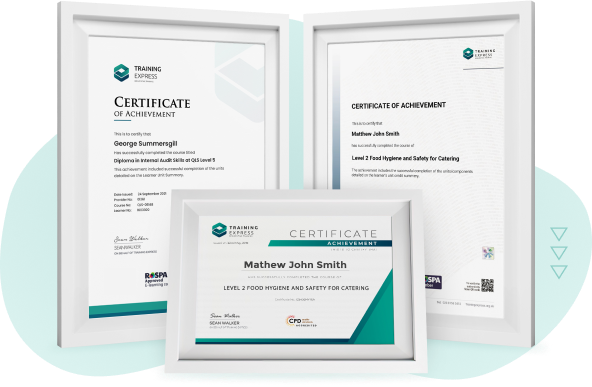
All courses meet international standards and are reviewed by independent accreditation bodies such as CPD UK, CPD QS, and the Quality Licence Scheme. Staff gain skills that are immediately applicable in practice, supported by tutor guidance and professional learning materials. Certificates are awarded upon course completion, allowing staff to document CPD hours and demonstrate competence to inspectors or future employers.
Business Dashboard and Reporting
The Training Express business dashboard allows managers to:
- Assign courses to individual staff or teams
- Track learner progress in real-time
- Generate professional reports for inspections or internal review
- Identify gaps and plan targeted interventions
This functionality reduces administrative workload and ensures that training completion and competency are consistently monitored across the organisation.
Dedicated Account Manager and Support
Each business account receives a dedicated manager to provide support for LMS integration, technical queries, and implementation guidance. This personalised service ensures that care organisations can implement training quickly and effectively, without requiring extensive internal resources.
Building a Skilled and Confident Workforce
Ultimately, the goal of digital learning is to equip staff with the knowledge and skills to deliver safe, person-centred care. Online learning supports:
- Professional development: Staff gain new skills, qualifications, and CPD hours.
- Competence and confidence: Training builds assurance in practical and theoretical aspects of care.
- Compliance and accountability: Organisations remain inspection-ready and meet regulatory standards.
- Team cohesion and morale: Shared learning experiences strengthen collaboration and motivation.
By combining structured learning pathways, accredited courses, and scalable delivery platforms, organisations can ensure that every member of the workforce is competent, confident, and prepared for future challenges.
Training Express Team Training gives your whole workforce access to our flagship CPD-accredited courses from as little as £2.33 per user/month. You get a business dashboard to assign courses, track completion, download reports for audits and issue certificates – all in one place.
Conclusion
Upskilling health and social care teams is a strategic investment. Organisations that embrace online learning benefit from improved compliance, enhanced staff morale, and higher-quality care.
Digital learning provides flexibility, accessibility, and consistency, enabling care teams to gain essential skills without disrupting service delivery. Platforms like Training Express offer scalable, accredited solutions, making it simple for organisations to manage training for teams of any size.
By prioritising workforce development, health and social care providers can build a confident, motivated, and highly skilled team capable of delivering exceptional care today and into the future.
FAQs
Are the courses accredited and recognised by professional bodies?
Yes, courses are reviewed by CPD UK, CPD QS, and the Quality Licence Scheme. Learners receive accredited certificates for CPD and career progression.
How do online courses accommodate staff working different shifts or locations?
Staff can access training anytime on any device. This flexibility allows learning around shifts or between visits without disrupting care delivery.
Can managers track staff progress and completion?
Yes, platforms like Training Express Team Training provide dashboards to assign courses, monitor progress, and generate reports in real-time.
What kind of support is available for staff and managers?
Support includes dedicated account managers, tutor guidance, and technical assistance. Live chat and LMS support ensure smooth implementation and learner help.
Are online courses suitable for all levels of staff?
Yes, training is tailored for care assistants, senior carers, and team leaders. Role-specific modules ensure every staff member receives relevant learning.
How quickly can online learning be implemented in an organisation?
Implementation is fast, with immediate course assignment and dashboard setup. Dedicated managers help plan learning paths for smooth rollout.