Food Hygiene
 Health & Safety
 Safeguarding
 First Aid
 Business Skills
 Personal Development
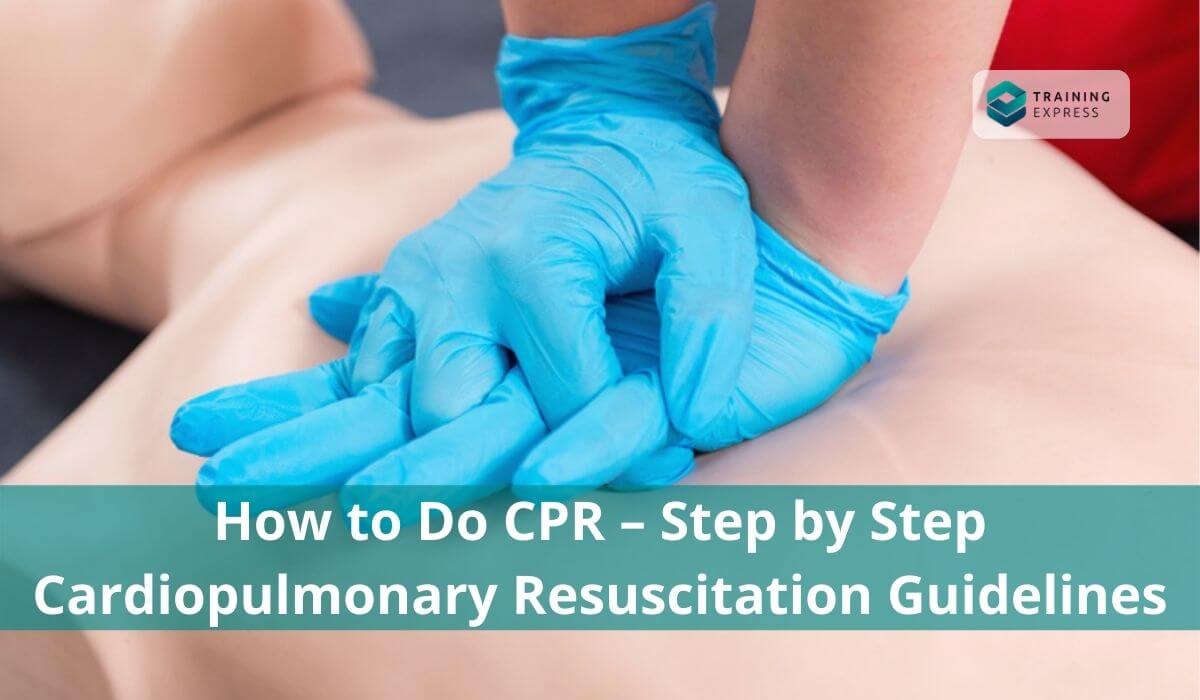

Cardiopulmonary Resuscitation (CPR) is a lifesaving technique useful in many emergencies, including a heart attack or near drowning, in which someone’s breathing or heartbeat has stopped. The American Heart Association recommends that everyone — untrained bystanders and medical personnel alike — begin CPR with chest compression.
We all know that something is better than nothing. It is far much true when someone is dying near you. You should respond immediately instead of just standing there. Remember, the difference between your doing something and doing nothing could be someone’s life.
Here is some advice from the American Heart Association:
- Untrained: If you don’t have any training in CPR, then provide hands-only CPR. That means continuous chest compression of 100 to 120 a minute until the medical team or ambulance arrive. You don't need to try rescue breathing.
- Trained and ready to go: If you're well-trained and confident in your ability, check to see if there are a pulse and breathing. If there is no breathing or a pulse within 10 seconds, begin chest compressions. Start CPR with 30 chest compressions and then give two rescue breaths.
- Trained but rusty: If you've previously received CPR training, but you're not confident in your abilities, then do chest compressions at a rate of 100 to 120 a minute.
When to do CPR
- Electric shock due to faulty electric lines/ circuits
- Drowning down the water
- Severe allergic reactions
- Severe difficulty in breathing because of a constricted or obstructed throat or a lack of air.
- Drug overdose
- Suffocation
- Disabling injuries
Why is CPR so important?
CPR alone can not restart the heart but, it can make sure the oxygenated blood flowing to the brain and other important organs until the medical team or ambulance arrives. The objective is to delay tissue death and to extend the brief window of opportunity for a successful resuscitation without permanent brain damage.
When the heart stops, the lack of oxygenated blood can cause brain damage in only a few minutes. A person may die within eight to ten minutes resulting from brain damage. In this case, the CPR can delay brain damage and eventually may save a life.
CPR may not ensure to save a life, but it can triple the person’s chance of surviving if someone starts CPR in the first minute or two. If you use an AED in those first few minutes, survival rates reach more than 70%.
Before Beginning CPR
Over 1.5 million heart attacks occur each year, and approximately 350,000 of these people die before ever reaching a hospital. Approximately 7 million adults and children suffer disabling injuries in their own homes and backyards each year, resulting from accidents which may also require CPR. But before beginning CPR:
- Verify Scene Safety: You must verify that the environment is safe enough for the person who is in a critical situation before taking any steps of CPR
- Check for Responsiveness: Firstly check the response of the person. If the person appears unconscious, tap or shake his or her shoulder and ask loudly, "Hey! Hey! Are you OK?"
- Get Help: If the person doesn't respond, call 999 (the official emergency number of the United Kingdom) or the local emergency number and get the Automated External Defibrillator (AED).
-
Assess for breathing and pulse: Check for absent or abnormal breathing by keeping the chest movement under observation for Five (5) to Ten (10) seconds. Check the carotid pulse for a minimum of five (5) seconds but do not take more than ten (10) seconds to determine the presence of a pulse. It is important to curtail the required time in starting CPR. So, it is better to take no more than ten (10) seconds to assess the patient. Two probable situations may arise there. The operation procedure varies with the situation.
a. If the patient has a normal pulse and breathing, monitor them until emergency responders or ambulance arrives.
b. If the patient has a normal pulse but abnormal breathing, open the patient’s airway and begin rescue breathing. Administer one breath every five (5) to six (6) seconds, not crossing ten (10) to twelve (12) breaths per minute. If you have not activated the emergency response system yet, do it urgently. Continue checking the pulse of the patient in every two (2) minutes. If you find the absence of a pulse at any point, commence administering CPR. - Try using AED if available: And finally, as soon as an AED is available, deliver one shock if instructed by the device, then begin CPR.
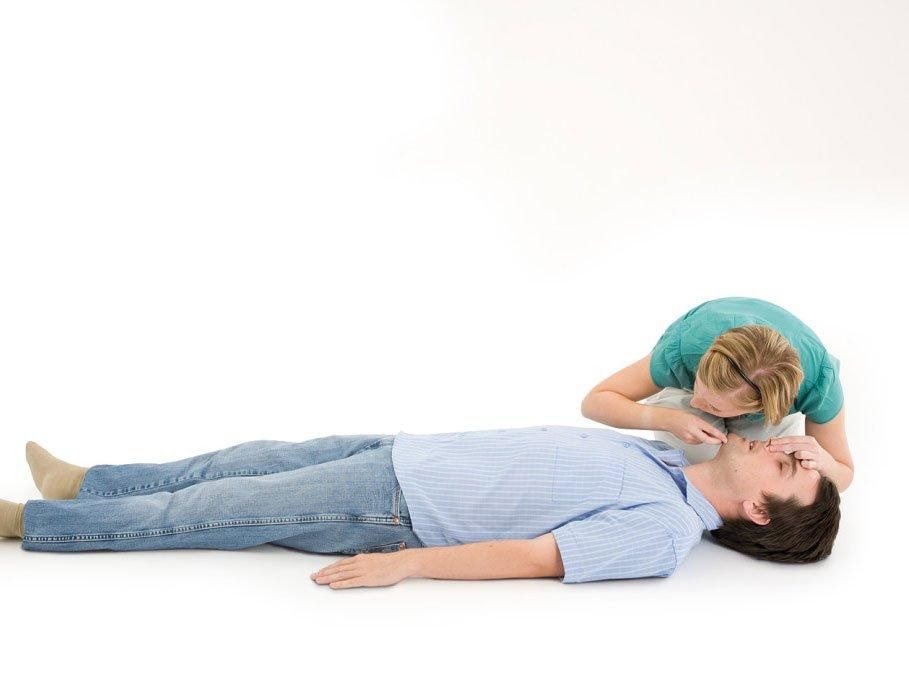
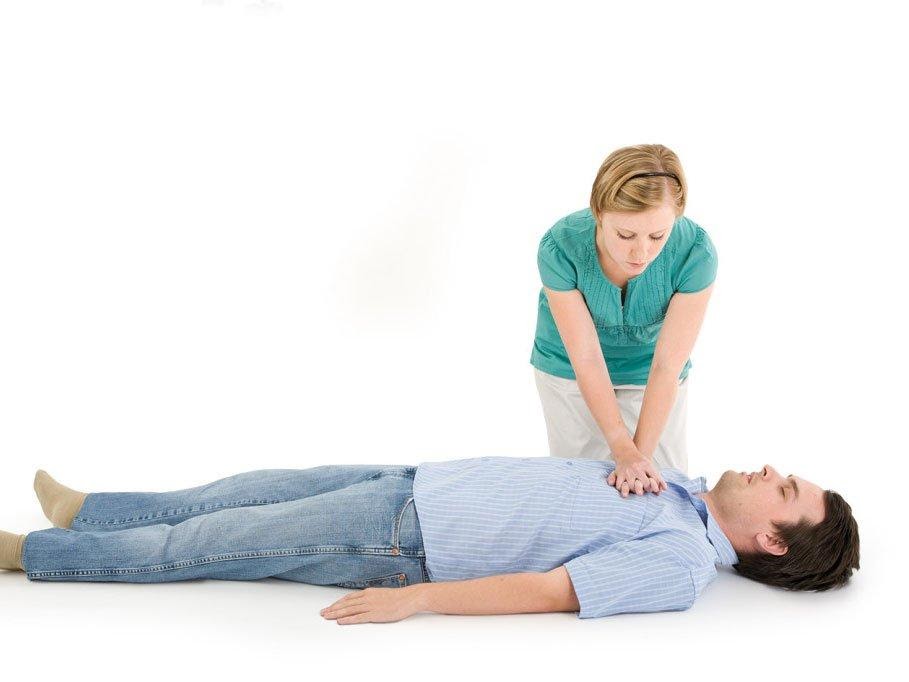
Step by Step Cardiopulmonary Resuscitation Guidelines
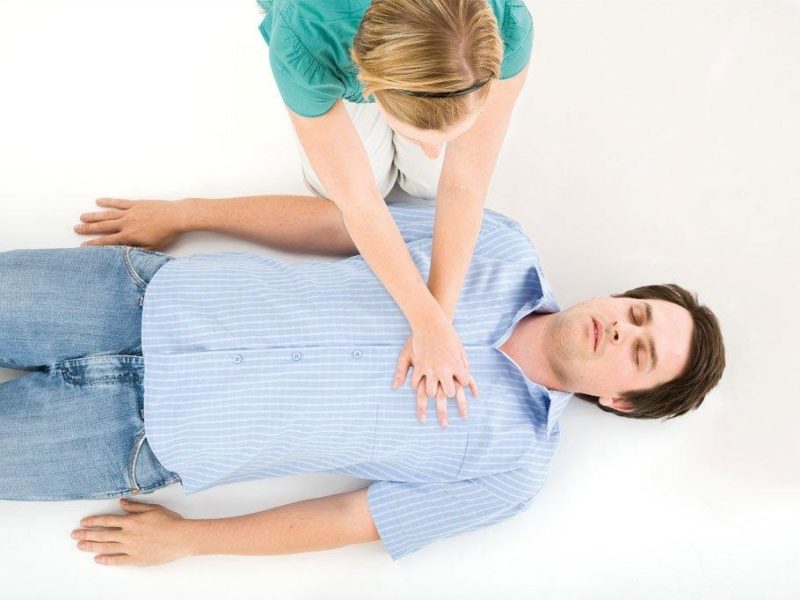
2
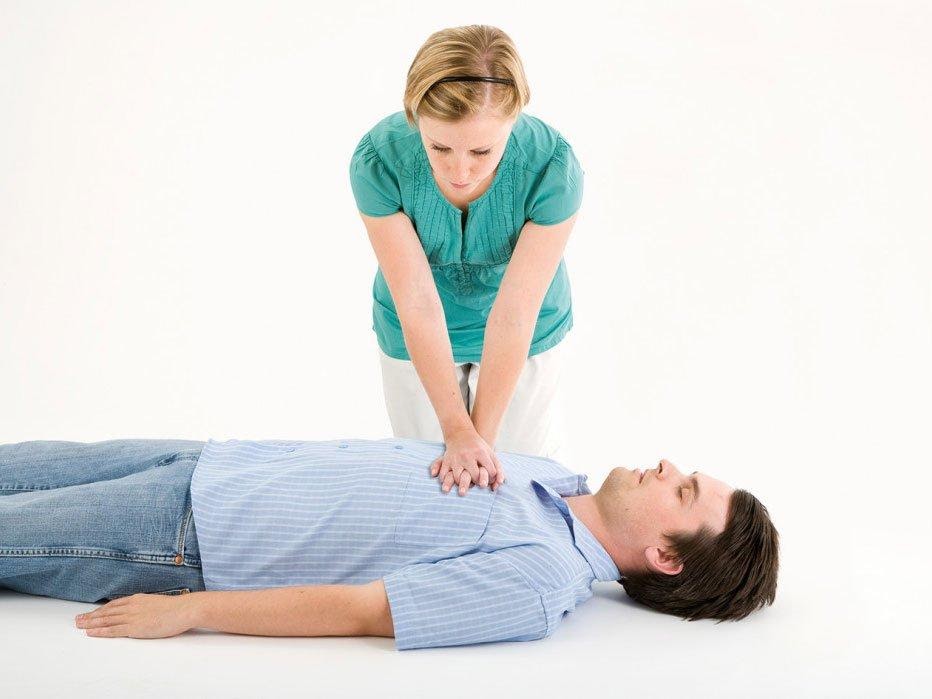
3
4
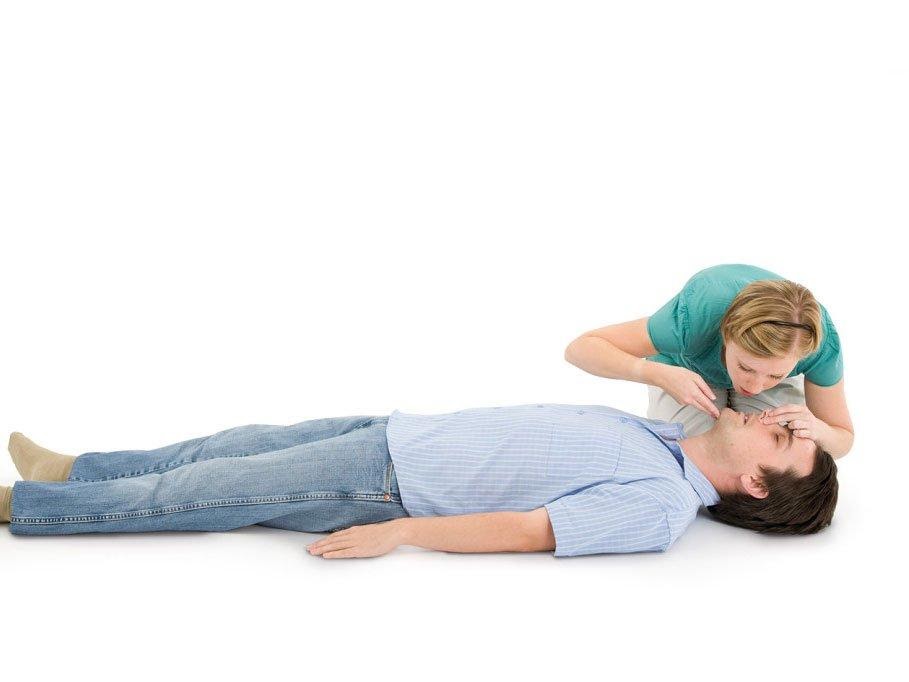
5
6
7
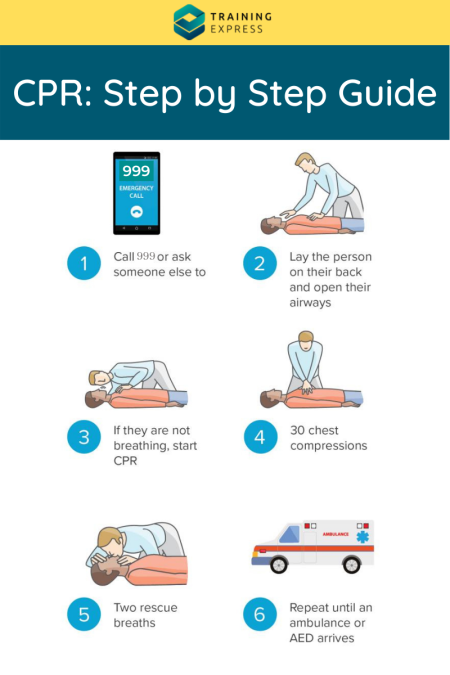
In an image, the whole process is given below –
Read more on our blog
- Car Maintenance Checklist: The Complete UK Guide (2026)
- What Does PASS Stand For? How to Use a Fire Extinguisher
- Right to Work Checks: A Complete Guide for UK Employers (2026)
- Personal Development Plan Template (Free Word & PDF) + Examples
- Who Is Responsible for Enforcing Fire Safety?
- What Is the Temperature Danger Zone? Full Guide & Chart
- What Does RAMS Stand For? Meaning, Examples & Template
- Top 5 UK Online Cleaning Courses for Individuals in 2026
- AI Tools That Actually Save You Money in 2026 (And the Math to Prove It)
- What is Guidance and Counselling? 5 Categories Explained