GET THIS COURSE AND 2500+ OTHERS FOR ONLY £49 FIND OUT MORE
Children and young people with special educational needs and disabilities may face safeguarding risks that are harder to identify or report. The Safeguarding & Special Educational Needs (SEND) Training course develops the knowledge needed to recognise vulnerability, support learner communication and respond appropriately when concerns arise.
Safeguarding children with SEND requires careful observation, inclusive communication and a clear understanding of professional responsibilities. Communication barriers, social isolation, dependency on others and power imbalances can make disclosure more difficult. This SEND safeguarding training examines these challenges while showing learners how to promote safety, dignity and participation throughout education and care settings.
Learners will study SEND classifications, child protection responsibilities, multi-agency working, advocacy and safe educational practice. The course also addresses early years support, adolescent risks, online safety and transitions into adulthood. Delivered online by Training Express, the programme allows learners to strengthen their safeguarding knowledge at a suitable pace while supporting continuing professional development.
Learning Outcomes
Develop the knowledge needed to safeguard children and young people with SEND while promoting inclusive, responsive and learner-centred support.
- Explain safeguarding principles within SEND and educational environments.
- Understand key SEND legislation, guidance and professional responsibilities.
- Recognise factors that can increase vulnerability to abuse or neglect.
- Identify the four main categories of special educational needs.
- Support safe disclosures through accessible and inclusive communication methods.
- Apply safeguarding responsibilities within everyday teaching and support activities.
- Work effectively with families, carers and external safeguarding agencies.
- Maintain professional boundaries while improving safeguarding knowledge continuously.
Certification
- Instant digital certificate available upon completion
- Printed certificate available for delivery (postal charges may apply)
- Certification is recommended to be renewed every 3 years to stay updated
Accreditation
This course is fully accredited by CPD and endorsed by QLS, ensuring recognised standards of quality and learning.
Who Should Take This Course
This SEND training course is suitable for people who work with children, young people or adults with special educational needs and disabilities. It is particularly useful for professionals responsible for education, safeguarding, care, communication or learner support.
- Teachers and trainee teachers
- Special educational needs coordinators
- Teaching assistants and learning support assistants
- Designated safeguarding leads
- Early years practitioners
- School and college support staff
- Youth workers and family support workers
- Healthcare and social care professionals
- Residential support workers
- Parents, carers and community volunteers
No previous SEND qualification is required. The course introduces key safeguarding foundations before progressing towards communication, advocacy, multi-agency working and professional improvement.
Why Take This Course
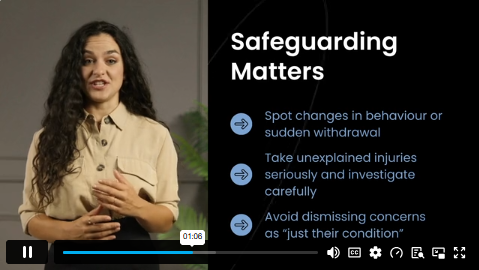
Safeguarding concerns involving children with SEND may not always appear through direct verbal disclosure. Behaviour changes, communication differences or dependency on adults can make concerns more difficult to recognise. Staff therefore need suitable knowledge, awareness and reporting procedures to protect learners effectively.
By enrolling in this course, learners will benefit from:
- CPD-accredited online training
- Clear and accessible learning materials
- Coverage of SEND classifications and safeguarding risks
- Guidance on professional roles and statutory responsibilities
- Information about communication barriers and disclosure
- Awareness of referrals and escalation procedures
- Dedicated tutor support during the course
- An Instant FREE CPD Certificate after successful completion
- Flexible, self-paced and mobile-friendly learning
- Lifetime access to the course materials
The course supports professionals seeking to create safer and more inclusive learning environments. It can also strengthen existing knowledge for roles involving education, healthcare, social care, safeguarding and family support.
Job Opportunities & Salary Expectations in the UK
Completing SEND safeguarding training can support professional development across education, care and child protection services. However, this awareness course does not replace the qualifications, background checks or professional registration required for regulated roles.
| Job Role | Indicative UK Salary |
|---|---|
| SEND Teaching Assistant | £19,000–£27,000 per year |
| Learning Mentor | £21,000–£27,000 per year |
| Family Support Worker | £24,000–£36,000 per year |
| Education Welfare Officer | £24,000–£32,000 per year |
| Youth Worker | £24,000–£37,000 per year |
| Child Protection Officer | £25,000–£40,000 per year |
| Communication Support Worker | £19,000–£29,000 per year |
| Special Educational Needs Teacher | £33,000–£51,000 per year |
These salary ranges are based on current National Careers Service career profiles. Actual earnings can vary according to qualifications, location, employer, responsibilities and experience.
Schools, care services and community organisations value staff who understand both SEND and safeguarding responsibilities. This course can strengthen a CV, support workplace development and complement existing education or care qualifications.
Entry Requirements
This course is open to learners from different educational and professional backgrounds.
- No formal qualifications are required.
- Previous SEND or safeguarding experience is unnecessary.
- Learners need an internet-enabled computer, tablet or smartphone.
- An interest in safeguarding, education or learner support is recommended.
Course Curriculum
The detailed curriculum outline of our Safeguarding & Special Educational Needs (SEND) Training is as follows:
This module introduces safeguarding within education and explains how it connects with special educational needs and disabilities. Learners study the SEND Code of Practice, relevant legal principles and key professional duties. The module also considers children’s rights, participation and the responsibility to protect learners from harm.
Learners examine why some children and young people with SEND may experience increased safeguarding risks. Topics include abuse, neglect, communication barriers, isolation and power imbalances. The module also considers lessons from case reviews and serious incidents to show why concerns must be noticed, recorded and reported promptly.
This module explains the main categories of SEND and how different needs can affect communication, learning and safeguarding. Learners consider cognition and learning needs, communication and interaction difficulties, social and emotional needs, mental health concerns and sensory or physical disabilities. This knowledge supports more informed and individualised responses.
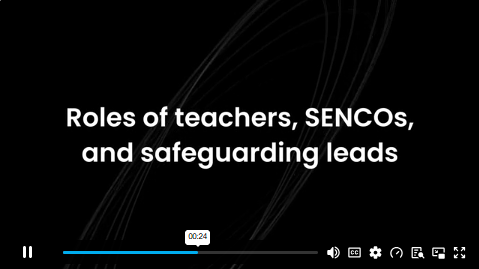
Learners study how safeguarding can be embedded within daily teaching and learner support. The module explains the responsibilities of teachers, SENCOs, safeguarding leads and teaching assistants. It also considers differentiated teaching, behaviour support and methods for maintaining safety without overlooking individual needs.
This module focuses on helping children and young people express their needs, experiences and concerns safely. Learners examine accessible disclosure methods, alternative communication systems and the involvement of interpreters or advocates. The module also explains how trusted relationships can strengthen learner participation and reduce communication barriers.
Effective safeguarding often depends on cooperation between families, schools, healthcare services, social care teams and voluntary organisations. This module examines partnership working, referral routes and escalation procedures. Learners also consider confidentiality, consent, record keeping and responsible data sharing between relevant professionals.
Safeguarding needs can change as children grow and move between services. This module covers early years support, adolescent vulnerability, bullying and online safety. Learners also consider transitions into further or higher education, preparation for adulthood and the safeguarding needs of vulnerable adults.
The final module examines ethical conduct, professional boundaries and reflective practice. Learners consider supervision, staff development and the importance of a consistent whole-school safeguarding culture. The module also explains how regular CPD and policy reviews help professionals respond to new risks and changing learner needs.
FAQs
What is SEND safeguarding training?
SEND safeguarding training teaches learners how to protect children and young people with special educational needs and disabilities. It covers vulnerability, abuse and neglect risks, communication barriers, reporting responsibilities and inclusive support.
What does SEND mean?
SEND stands for special educational needs and disabilities. The SEND Code of Practice covers support for children and young people aged from birth to 25 in England.
Who should take this SEND training course?
The course is suitable for teachers, teaching assistants, safeguarding leads, early years practitioners, healthcare staff, carers and support workers. It is also relevant to parents and volunteers supporting children with additional needs.
Why can children with SEND face greater safeguarding risks?
Some children with SEND may experience communication barriers, increased dependency, social isolation or difficulty recognising unsafe behaviour. These factors can make it harder to disclose concerns or receive suitable support.
What are the main categories of SEND?
The course covers four broad areas: cognition and learning, communication and interaction, social, emotional and mental health, and sensory or physical needs. These areas are recognised within the SEND framework.
Does the course cover the SEND Code of Practice?
Yes. The course introduces the SEND Code of Practice, statutory duties and the rights of children and young people. It also explains how safeguarding responsibilities connect with SEND support in educational settings.
Does the course cover safeguarding guidance for schools?
Yes. Learners examine staff responsibilities, designated safeguarding leads, referral procedures and whole-school safeguarding culture. As of July 2026, schools and colleges in England must continue using Keeping Children Safe in Education 2025 until 31 August 2026. The 2026 guidance comes into force on 1 September 2026.
Will I learn how to communicate with children who have SEND?
Yes. The course covers accessible disclosure, alternative and augmentative communication, interpreters, advocates and peer mentors. Learners also consider how trust and patient listening can support the learner’s voice.
Does the course explain safeguarding referrals?
Yes. Learners study safeguarding referrals, escalation procedures, confidentiality, consent and appropriate information sharing. The course also explains the importance of working with education, health and social care agencies.
Is this SEND safeguarding course available online?
Yes. Training Express delivers the course entirely online. Learners can access the modules from a computer, tablet or smartphone and study at a suitable pace.
Is the course CPD accredited?
Yes. This SEND safeguarding training course is CPD accredited and supports continuing professional development. It can complement existing knowledge and workplace training within education, healthcare or social care.
Will I receive a certificate?
Yes. Learners receive an Instant FREE CPD Certificate after successfully completing the course. The certificate can be included within a CV or professional development record.
Does this course qualify me as a SENCO or safeguarding lead?
No. The course provides awareness and professional development training. SENCO, teaching and designated safeguarding roles may require additional qualifications, experience and employer-led training.
Course Curriculum
| Safeguarding & Special Educational Needs (SEND) Training | |||
| Module 1 Foundations of Safeguarding and SEND – Part 1 | 00:04:00 | ||
| Module 1 Foundations of Safeguarding and SEND – Part 2 | 00:03:00 | ||
| Module 2 Recognising Vulnerability and Risk – Part 1 | 00:02:00 | ||
| Module 2 Recognising Vulnerability and Risk – Part 2 | 00:02:00 | ||
| Module 3 Understanding SEND Classifications – Part 1 | 00:01:00 | ||
| Module 3 Understanding SEND Classifications – Part 2 | 00:03:00 | ||
| Module 4 Safeguarding in Educational Practice – Part 1 | 00:01:00 | ||
| Module 4 Safeguarding in Educational Practice – Part 2 | 00:02:00 | ||
| Module 5 Communication and Advocacy – Part 1 | 00:02:00 | ||
| Module 5 Communication and Advocacy – Part 2 | 00:03:00 | ||
| Module 6 Inter-Agency Safeguarding Collaboration – Part 1 | 00:01:00 | ||
| Module 6 Inter-Agency Safeguarding Collaboration – Part 2 | 00:02:00 | ||
| Module 7 Safeguarding Across the Life Course – Part 1 | 00:01:00 | ||
| Module 7 Safeguarding Across the Life Course – Part 2 | 00:02:00 | ||
| Module 8 Professional Practice and Continuous Improvement – Part 1 | 00:01:00 | ||
| Module 8 Professional Practice and Continuous Improvement – Part 2 | 00:04:00 | ||
SAVE 84% - OFFER ENDS SOON
£125.00Original price was: £125.00.£20.00Current price is: £20.00. ex Vat- 1 year
- Intermediate
- Course Certificate
- 34 minutes Gift this course
Buying more than one of the same courses?
- 50% discount for orders of 10+ courses
- 60% discount for orders of 50+ courses
- 70% discount for orders of 100+ courses
Looking for a more personalised package?
contact us nowInstructors


Food Hygiene
Health & Safety
Safeguarding
First Aid
Business Skills
Personal Development