Safeguarding Children Training for Schools

4.9 (18 REVIEWS)
122 STUDENTS

GET THIS COURSE AND 2500+ OTHERS FOR ONLY £49 FIND OUT MORE

Safeguarding Children Training for Schools is essential professional development for anyone working with or around children in an educational setting. It equips staff with the knowledge to recognise, respond to, and report concerns about child protection effectively. The course ensures that every adult understands their duty of care and legal responsibilities.

Safeguarding is a critical part of school life in the UK, where protecting children from harm is a legal and moral obligation. This training strengthens awareness of abuse, neglect, exploitation, and safeguarding procedures within schools. It helps create a safer learning environment for every child.

Through practical, scenario-based learning, this course builds confidence in identifying risks and following correct safeguarding procedures. It also supports staff in understanding reporting systems, safer recruitment, and multi-agency cooperation.

Sneak Peek

Learning Outcomes

This course develops essential safeguarding knowledge and practical skills for school environments.

  • Understand core child protection and safeguarding principles
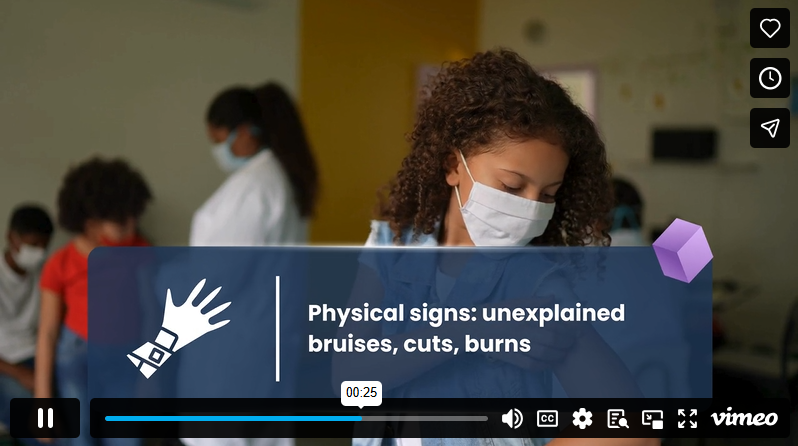
  • Recognise signs and indicators of abuse and neglect
  • Apply correct safeguarding reporting procedures in schools
  • Understand school duty of care and legal responsibilities
  • Identify types of abuse including physical, emotional, and sexual
  • Learn how to respond appropriately to disclosures
  • Understand safer recruitment and DBS safeguarding checks
  • Promote safe environments including online safety awareness

Certification

  • Instant digital certificate available upon completion
  • Printed certificate available for delivery (postal charges may apply)
  • Certification is recommended to be renewed every 3 years to stay updated
Training-Express-Certificate-CPD-QS-1-1

Accreditation

This course is fully accredited by CPD and endorsed by QLS, ensuring recognised standards of quality and learning.

Who Should Take This Course

This training is designed for all adults working in educational environments where children are present. It ensures every staff member understands how to act responsibly in safeguarding situations.

  • Teachers and teaching assistants
  • School administrators and office staff
  • School leadership and designated safeguarding leads (DSLs)
  • Support staff including cleaners and caretakers
  • Volunteers and external school contractors

Safeguarding is everyone’s responsibility, and this course ensures consistent awareness across the entire school community.

Why Take This Course

Safeguarding children is one of the most important responsibilities in any educational setting. Staff must be fully trained to recognise concerns early and take appropriate action without delay.This course provides clear, practical guidance that strengthens confidence in handling safeguarding situations and ensures compliance with UK child protection standards.

  • Helps protect children from abuse, neglect, and exploitation
  • Ensures compliance with statutory safeguarding guidance
  • Improves staff confidence in reporting concerns correctly
  • Supports safer school environments and professional conduct
  • Strengthens awareness of online safety and modern risks

By completing this training, staff play a direct role in creating safer schools where children can learn and develop without fear.

Job Opportunities & Salary Expectations in the UK

Safeguarding knowledge is essential in many education and child-focused roles across the UK.

  • Primary School Teacher – £30,000 to £45,000 per year
  • Secondary School Teacher – £31,000 to £46,000 per year
  • Designated Safeguarding Lead (DSL) – £35,000 to £55,000 per year
  • Pastoral Support Worker – £22,000 to £32,000 per year
  • School Counsellor – £28,000 to £45,000 per year
  • Teaching Assistant – £19,000 to £25,000 per year
  • School Administrator – £20,000 to £30,000 per year
  • Youth Support Worker – £23,000 to £35,000 per year

Safeguarding training significantly enhances employability in education, childcare, and youth support sectors.

Entry Requirements

This course is open to all learners working in or supporting educational environments.

  • No formal qualifications required
  • Suitable for beginners in safeguarding
  • Basic English comprehension recommended
  • Access to online learning device required

Course Curriculum

The detailed curriculum outline of our Safeguarding Children Training for Schools is as follows:

  • Introduction

This module introduces the core principles of safeguarding and explains why child protection is essential in schools. It explores different types of abuse and how to recognise early warning signs in children. Learners also gain an understanding of legal duties and the role of staff in maintaining child safety.

This section focuses on how schools implement safeguarding systems and procedures. It covers reporting concerns, responding to disclosures, and working with external agencies. The module also highlights safe recruitment practices and maintaining professional boundaries within school environments.

This module explores how schools can build a secure and supportive environment for children. It includes online safety risks, bullying prevention, and support for vulnerable learners. It also addresses physical security measures to ensure school premises remain safe and controlled.

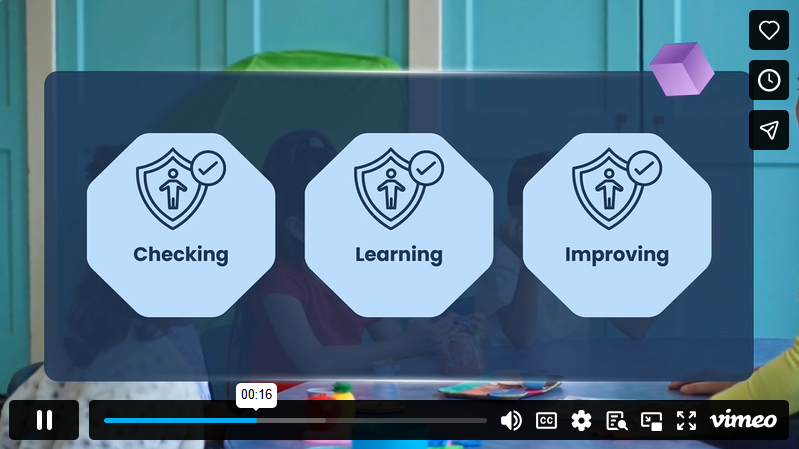
This final module focuses on effective response strategies and safeguarding improvement practices. Learners understand how to handle concerns, conduct risk assessments, and maintain accurate records. It also emphasises ongoing training and continuous improvement to strengthen safeguarding systems in schools.

  • Conclusion

FAQs

1. What is Safeguarding Children Training for schools?

Safeguarding Children Training teaches school staff how to protect children from harm. It focuses on recognising abuse, responding correctly, and reporting concerns. The aim is to ensure every child is safe in an educational environment. It is a legal requirement for school staff in the UK.

2. Why is safeguarding important in schools?

Safeguarding ensures children are protected from abuse, neglect, and exploitation. Schools have a legal duty of care to keep children safe. Early identification of risks can prevent serious harm. This training helps staff act responsibly and confidently.

3. What are the main types of child abuse?

The main types include physical, emotional, sexual abuse, and neglect. Each type can affect children differently, both physically and emotionally. Recognising early warning signs is essential for intervention. Staff must be trained to identify all forms of abuse.

4. Who is responsible for safeguarding in schools?

Everyone in a school is responsible for safeguarding children. This includes teachers, support staff, leadership teams, and volunteers. The Designated Safeguarding Lead (DSL) oversees procedures. However, all staff must report concerns immediately.

5. What should I do if a child discloses abuse?

If a child discloses abuse, you should listen calmly and take them seriously. Do not promise confidentiality and report the concern immediately. Record details accurately and follow school procedures. Never investigate on your own.

6. What is a Designated Safeguarding Lead (DSL)?

A DSL is a trained staff member responsible for managing safeguarding concerns. They coordinate responses and liaise with external agencies. Every school must have at least one DSL. They play a key role in child protection systems.

7. What is safer recruitment in schools?

Safer recruitment ensures that all staff working with children are properly vetted. This includes DBS checks and background screening. It helps prevent unsuitable individuals from working in schools. It is a legal safeguarding requirement.

8. How does online safety relate to safeguarding?

Online safety protects children from cyberbullying, grooming, and harmful content. Schools must monitor digital risks and educate students. Staff must understand online safeguarding procedures. It is a growing part of modern child protection.

9. What laws govern safeguarding in UK schools?

Safeguarding is guided by UK legislation such as Keeping Children Safe in Education (KCSIE). Schools must follow statutory safeguarding guidance. These laws ensure consistent child protection standards. Non-compliance can lead to serious consequences.

10. How often should safeguarding training be updated?

Safeguarding training should be updated regularly, typically annually. This ensures staff are aware of new risks and updated guidance. Continuous training improves response effectiveness. It helps maintain a safe school environment.

Course Curriculum

Introduction
1. Introduction 00:01:00
Module 1: Understanding Safeguarding and Child Protection
1.1.1 What is Safeguarding 00:01:00
1.2 Types of Abuse 00:01:00
1.3 Recognising Signs of Abuse 00:01:00
1.4 Roles and Responsibilities 00:01:00
Reading Materials
Module 1 00:00:00
Module 2: Safeguarding Policies and Procedures
2.1 School Safeguarding Policies 00:01:00
2.3 Multi-Agency Working 00:01:00
2.4 Safe Recruitment and Staff Conduct 00:01:00
Reading Materials
Module 2 00:00:00
Module 3: Creating a Safe Environment
3.1 Online Safety and Digital Risks 00:01:00
3.2 Managing Bullying and Peer Abuse 00:01:00
3.3 Supporting Vulnerable Children 00:01:00
Reading Materials
Module 3 00:00:00
Module 4: Responding and Continuous Improvement
4.1 Initial Response and Referral 00:01:00
4.2 Risk Assessment and Safety Planning 00:01:00
4.3 Record-Keeping and Data Protection 00:01:00
4.4 Continuous Improvement and Training 00:01:00
Reading Materials
Module 4 00:00:00
Conclusion
Conclusion 00:01:00
Safeguarding Children Training for Schools
ex Vat

SAVE 84% - OFFER ENDS SOON

TAKE THIS COURSE

OR

🔥 129 units sold in last 24 hours
  • Original price was: £125.00.Current price is: £20.00. ex Vat
  • 1 year
  • Course Certificate
  • 16 minutes
  • Gift this course
£20 /Unit Price
Total:
£100.00
Quantity:

Buying more than one of the same courses?

  • 50% discount for orders of 10+ courses
  • 60% discount for orders of 50+ courses
  • 70% discount for orders of 100+ courses

Looking for a more personalised package?

contact us now

Instructors

122 STUDENTS ENROLLED