Safeguarding Children

4.9 (18 REVIEWS)
125 STUDENTS

GET THIS COURSE AND 2500+ OTHERS FOR ONLY £49 FIND OUT MORE

The Safeguarding Children course is a comprehensive online training programme designed to help individuals understand how to identify, respond to, and prevent harm to children. It provides essential knowledge of safeguarding principles, legal duties, and reporting procedures to ensure children’s safety and wellbeing in every environment.

In today’s society, safeguarding is not optional—it is a legal and moral responsibility. This course explains how abuse can be recognised early, how concerns should be handled, and how professionals can take the right action to protect vulnerable children effectively.

Delivered by Training Express, this CPD-accredited course is fully online, flexible, and beginner-friendly. With interactive modules, tutor support, lifetime access, and an instant free CPD certificate, learners can study at their own pace while building real-world safeguarding confidence.

Sneak Peek

Learning Outcomes

This course equips learners with the essential skills and understanding required to safeguard children effectively in professional and community settings.

  • Understand the core principles of safeguarding and child protection.
  • Recognise signs and indicators of child abuse and neglect.
  • Understand the legal framework including key UK safeguarding legislation.
  • Identify safeguarding responsibilities of professionals and organisations.
  • Learn how to report concerns through correct safeguarding procedures.
  • Understand how to complete safeguarding risk assessments effectively.
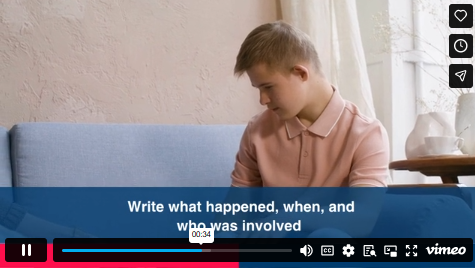
  • Develop skills in writing clear and accurate safeguarding reports.
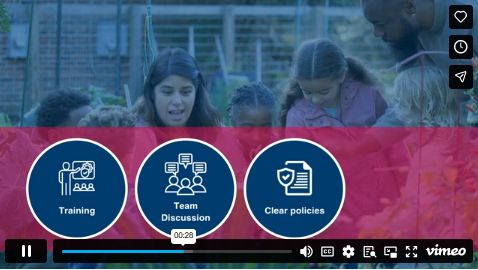
  • Promote a proactive safeguarding culture in the workplace.

Certification

  • Instant digital certificate available upon completion
  • Printed certificate available for delivery (postal charges may apply)
  • Certification is recommended to be renewed every 3 years to stay updated
Training-Express-Certificate-CPD-QS-1-1

Accreditation

This course is fully accredited by CPD and endorsed by QLS, ensuring recognised standards of quality and learning.

Who Should Take This Course

This course is designed for anyone who works with or is responsible for the welfare of children, as well as those who want to strengthen their safeguarding knowledge.

  • Teachers, teaching assistants, and school staff
  • Childcare workers and nursery practitioners
  • Social workers and healthcare professionals
  • Volunteers working with children or youth groups
  • Sports coaches and activity leaders
  • Foster carers and support workers
  • Designated Safeguarding Leads (DSLs)
  • Parents and guardians seeking better awareness

Whether you are entering a child-focused role or already working in one, this course helps you act confidently and responsibly in safeguarding situations.

Why Take This Course

Safeguarding children requires awareness, confidence, and the ability to act quickly when concerns arise. This course helps learners understand how to protect children effectively while meeting UK safeguarding expectations.

  • CPD-accredited certification recognised in the UK
  • Fully online and self-paced learning experience
  • Beginner-friendly, clear, and practical content
  • Tutor support available throughout the course
  • Instant free CPD certificate upon completion
  • Builds confidence in identifying and reporting abuse
  • Strengthens compliance with safeguarding policies
  • Developed by qualified safeguarding professionals

This training not only improves professional competence but also contributes to creating safer communities for children.

Job Opportunities & Salary Expectations (UK)

Completing this course can support career progression in education, care, and safeguarding-related roles.

  • Safeguarding Officer – £28,000–£45,000 per year
  • Child Protection Officer – £30,000–£48,000 per year
  • Social Worker (Children’s Services) – £32,000–£50,000 per year
  • Teaching Assistant (Safeguarding Focus) – £20,000–£26,000 per year
  • Pastoral Support Worker – £22,000–£32,000 per year
  • Youth Worker – £24,000–£35,000 per year
  • Designated Safeguarding Lead (DSL) – £35,000–£55,000 per year
  • Family Support Worker – £23,000–£34,000 per year

These roles vary depending on experience, qualifications, and organisation, but safeguarding knowledge remains highly valued across all child-related sectors.

Entry Requirements

This course is open to all learners with an interest in child protection and safeguarding.

  • No prior safeguarding experience required
  • Suitable for beginners and professionals
  • Basic English reading and understanding skills recommended
  • Access to a smartphone, tablet, or computer with internet connection

Course Curriculum

The detailed curriculum outline of our Fire Warden Training in Education – Level 3 is as follows:

  • 1.1 – The Key Principles of Safeguarding
  • 1.2 – Recognising the Types of Abuse
  • 1.3 – The Impact of Abuse on Children
  • 1.4 – Professional Curiosity and Why It Matters
  • 2.1 – Core Safeguarding Legislation
  • 2.2 – Understanding Roles and Responsibilities
  • 2.3 – Barriers to Reporting Abuse
  • 2.4 – Professional Conduct and Boundaries
  • 3.1 – Making a Safeguarding Referral
  • 3.2 – The Referral Process Explained
  • 3.3 – Writing Effective Safeguarding Reports
  • 3.4 – Giving Evidence in Court
  • 4.1 – What is a Risk Assessment?
  • 4.2 – Identifying and Managing Risk Factors
  • 4.3 – Learning from Case Studies4.4 – Creating a Culture of Safeguarding

FAQs

1. What is Safeguarding Children training?

Safeguarding Children training teaches individuals how to protect children from harm, abuse, and neglect. It covers how to recognise risks, respond appropriately, and report concerns using correct procedures. It is essential for anyone working with or around children.

2. Why is safeguarding important in childcare and education?

Safeguarding is vital because it ensures children are protected from abuse and unsafe environments. It helps professionals identify concerns early and take appropriate action. This reduces risk and promotes safe, supportive learning and care settings.

3. What is child neglect recognition in safeguarding?

Child neglect recognition involves identifying when a child’s basic needs are not being met, such as food, shelter, supervision, or emotional care. Early recognition is crucial to prevent long-term harm and ensure timely intervention.

4. What is a safeguarding risk assessment?

A safeguarding risk assessment is a structured process used to identify potential risks to a child’s safety and wellbeing. It helps professionals decide what actions are needed to reduce or eliminate those risks.

5. What are safeguarding reporting procedures?

Safeguarding reporting procedures are the steps followed when a concern about a child’s safety is identified. This includes documenting concerns, reporting to designated safeguarding leads, and escalating to social services if necessary.

6. Who is responsible for safeguarding children?

Everyone working with children has a responsibility to safeguard them. This includes teachers, healthcare workers, volunteers, and carers. Organisations also have a legal duty to ensure proper safeguarding systems are in place.

Course Curriculum

Introduction
_Introduction 00:01:00
1: Understanding Safeguarding Basics
1.1 – The Key Principles of Safeguarding 00:01:00
1.2 – Recognising the Types of Abuse 00:01:00
1.3 – The Impact of Abuse on Children 00:01:00
1.4 – Professional Curiosity and Why It Matters 00:01:00
Reading Materials
Module 1 00:00:00
2: Safeguarding Law and Your Role
2.1 – Core Safeguarding Legislation 00:01:00
2.2 – Understanding Roles and Responsibilities 00:01:00
2.3 – Barriers to Reporting Abuse 00:01:00
2.4 – Professional Conduct and Boundaries 00:01:00
Reading Materials
Module 2 00:00:00
3: Responding to Concerns
3.1 – Making a Safeguarding Referral 00:01:00
3.2 – The Referral Process Explained 00:01:00
3.3 – Writing Effective Safeguarding Reports 00:01:00
_3.4 – Giving Evidence in Court 00:01:00
Reading Materials
Module 3 00:00:00
4: Assessing and Managing Risk
4.1 – What is a Risk Assessment 00:01:00
_4.2 – Identifying and Managing Risk Factors 00:01:00
4.3 – Learning from Case Studies 00:01:00
4.4 – Creating a Culture of Safeguarding 00:01:00
Reading Materials
Module 4 00:00:00
Conclusion
Conclusion 00:01:00
Safeguarding Children
ex Vat

SAVE 0% - OFFER ENDS SOON

PRIVATE COURSE

OR

🔥 83 units sold in last 24 hours
£ /Unit Price
Total:
£0.00
Quantity:

Buying more than one of the same courses?

  • 50% discount for orders of 10+ courses
  • 60% discount for orders of 50+ courses
  • 70% discount for orders of 100+ courses

Looking for a more personalised package?

contact us now

Instructors

125 STUDENTS ENROLLED