GET THIS COURSE AND 2500+ OTHERS FOR ONLY £49 FIND OUT MORE
Respecting and protecting human rights is fundamental to delivering safe, ethical and person-centred health and social care. Professionals across the sector have a responsibility to ensure that every individual is treated with dignity, fairness and respect while receiving care and support.
This Human Rights in Health & Social Care Practice course explores the legal, ethical and professional principles that underpin rights-based care in the UK. You will examine the Human Rights Act 1998, Equality Act 2010, safeguarding responsibilities, patient autonomy, informed consent, advocacy, digital health, data protection and the practical application of human rights in everyday care settings.
Designed for healthcare professionals, social care practitioners, support workers, managers and anyone working with vulnerable individuals, this flexible online course combines current legislation with practical guidance. With tutor support, self-paced learning, lifetime access and an instant CPD-accredited certificate upon successful completion, you will strengthen your ability to promote, protect and uphold human rights across health and social care services.
Key Features
- CPD Accredited
- Fully online, self-paced learning
- Interactive modules for better engagement
- Audio and visual learning materials
- Assessment included
- Accessible on mobile, tablet, and desktop
- 24/7 tutor support
Sneak Peek
Learning Outcomes
Develop a comprehensive understanding of human rights principles and their application within modern health and social care practice. This course equips you with the knowledge to support ethical decision-making, legal compliance and person-centred care.
Upon successful completion of this course, you will be able to:
- Understand the principles of human rights within health and social care.
- Explain the UK legal framework, including the Human Rights Act 1998 and Equality Act 2010.
- Promote dignity, autonomy, equality and respect in care delivery.
- Apply informed consent, confidentiality and ethical decision-making principles.
- Recognise the rights of vulnerable individuals and diverse communities.
- Conduct rights-based assessments and support safeguarding practices.
- Understand advocacy, communication and collaborative working in rights-based care.
- Explore digital health, GDPR compliance and emerging human rights challenges in healthcare.
Certification
- Instant digital certificate available upon completion
- Printed certificate available for delivery (postal charges may apply)
- Certification is recommended to be renewed every 3 years to stay updated
Accreditation
This course is fully accredited by CPD and endorsed by QLS, ensuring recognised standards of quality and learning.
Who Should Take This Course
Understanding human rights is essential for professionals who provide, manage or support health and social care services. This course is suitable for individuals who want to strengthen their legal knowledge, ethical practice and commitment to delivering person-centred care.
This course is suitable for:
- Healthcare Assistants
- Support Workers
- Nurses
- Social Workers
- Care Home Staff
- Residential Care Workers
- Allied Health Professionals
- Healthcare Managers
- Safeguarding Professionals
- Anyone working within health and social care settings
Whether you are beginning your career or expanding your professional knowledge, this course provides valuable insight into applying human rights principles confidently in everyday practice.
Why Take This Course
Human rights are central to delivering safe, compassionate and legally compliant health and social care services. Organisations increasingly value professionals who understand how legislation, ethical principles and person-centred practice work together to protect the rights and wellbeing of those receiving care.
Throughout this course, you will explore UK human rights legislation, professional ethics, safeguarding, informed consent, advocacy, equality, digital health, GDPR and practical approaches for embedding rights-based care into everyday professional practice.
With flexible online study, tutor support, lifetime access and an instant CPD-accredited certificate upon successful completion, this course provides practical knowledge that supports professional development while helping you deliver high-quality, rights-based care.
Job Opportunities & Salary Expectations in the UK
| Job Role | Average UK Salary |
|---|---|
| Healthcare Assistant | £24,000–£30,000 per year |
| Support Worker | £23,000–£30,000 per year |
| Social Care Worker | £25,000–£34,000 per year |
| Registered Nurse | £31,000–£45,000 per year |
| Social Worker | £36,000–£50,000 per year |
| Safeguarding Officer | £35,000–£50,000 per year |
| Care Manager | £35,000–£55,000 per year |
| Health & Social Care Compliance Officer | £38,000–£60,000 per year |
Actual salaries vary depending on experience, qualifications, employer, sector and location.
Entry Requirements
This course is suitable for learners from a wide range of professional backgrounds.
- No previous legal or healthcare qualifications are required.
- Suitable for both new and experienced health and social care professionals.
- Basic English reading and communication skills are recommended.
- A computer, tablet or smartphone with internet access is required.
- An interest in human rights, ethical practice and quality care is beneficial.
Course Curriculum
The detailed curriculum outline of our Human Rights in Health & Social Care Practice is as follows:
Build a strong foundation in the principles that underpin human rights within health and social care. This module introduces the legal and ethical frameworks that shape professional practice, explores the development of rights-based care and examines key concepts such as dignity, autonomy, equality, confidentiality and duty of care within UK healthcare settings.
Explore how human rights influence ethical decision-making and professional responsibilities in everyday practice. You will examine access to healthcare, informed consent, patient autonomy, confidentiality, professional standards and the ethical challenges that healthcare and social care professionals may encounter when delivering person-centred care.
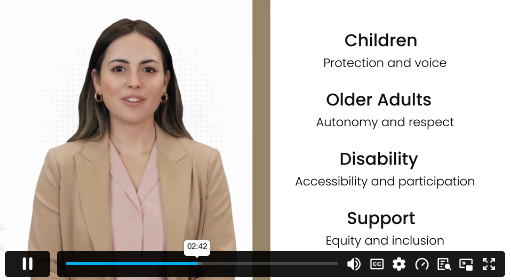
Develop an understanding of the unique needs and rights of vulnerable individuals and diverse communities. This module explores the rights of children, older adults, people with disabilities, individuals experiencing mental health conditions and other marginalised groups, while highlighting the importance of cultural competence, inclusion and equitable care.
Learn how to apply human rights principles within practical health and social care environments. You will explore rights-based assessments, safeguarding practices, risk management, early intervention strategies and reflective practice while strengthening professional accountability and promoting high standards of care.
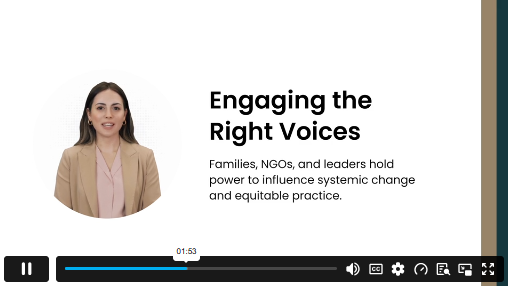
Discover the importance of effective communication and advocacy in protecting the rights of individuals receiving care. This module examines policy implementation, evidence-based decision-making, stakeholder collaboration and practical approaches to promoting human rights through professional communication and service improvement initiatives.
Explore the impact of digital technologies on modern health and social care practice. You will examine patient data protection, GDPR compliance, telemedicine, artificial intelligence, digital healthcare services and emerging human rights challenges associated with evolving technologies and changing healthcare environments.
The final module focuses on embedding human rights into organisational culture and long-term service improvement. You will explore governance, quality assurance, compliance monitoring, leadership strategies, organisational change and methods for evaluating rights-based practice to support continuous improvement across health and social care services.
FAQs
What is a rights-based approach in health and social care?
A rights-based approach places the dignity, equality, participation and wellbeing of individuals at the centre of care while ensuring services comply with relevant legal and ethical standards.
Does this course cover UK human rights legislation?
Yes. The course explores the Human Rights Act 1998, Equality Act 2010 and other legislation that influences health and social care practice.
Is safeguarding included in this course?
Yes. You will learn how safeguarding supports the protection of vulnerable individuals while promoting their rights and independence.
Will I learn about informed consent and confidentiality?
Yes. The course explains informed consent, confidentiality, data protection and ethical decision-making in professional practice.
Does the course cover equality and diversity?
Yes. It examines equality, inclusion, cultural competence and the importance of providing fair and non-discriminatory care.
Is this course relevant for social care as well as healthcare?
Absolutely. The content is designed for professionals working across both health and social care environments.
Will I learn about digital healthcare and GDPR?
Yes. The course explores digital health services, patient data protection, GDPR requirements and emerging technologies in healthcare.
Is prior healthcare experience required?
No. The course is suitable for beginners as well as experienced professionals seeking to strengthen their understanding of human rights in care.
Will I receive a certificate after completing the course?
Yes. Upon successful completion, you will receive an instant CPD-accredited certificate.
How can this course support my career?
Understanding human rights strengthens professional practice, supports legal compliance and demonstrates your commitment to delivering safe, ethical and person-centred care, making it valuable across a wide range of health and social care roles.
Course Curriculum
| Human Rights in Health & Social Care Practice | |||
| Module 1 Foundations of Human Rights in Health & Social Care Part 1 | 00:05:00 | ||
| Module 1 Foundations of Human Rights in Health & Social Care Part 2 | 00:04:00 | ||
| Module 2 Health Rights and Professional Ethics Part 1 | 00:04:00 | ||
| Module 2 Health Rights and Professional Ethics Part 2 | 00:03:00 | ||
| Module 3 Vulnerable Populations & Intersectionality (part-1) | 00:06:00 | ||
| Module 3 Vulnerable Populations & Intersectionality (part-2) | 00:04:00 | ||
| Module 4 Rights-Based Assessment & Practice (Part 1) | 00:04:00 | ||
| Module 4 Rights-Based Assessment & Practice (Part 2) | 00:04:00 | ||
| Module 5 Advocacy, Communication & Policy Application (Part 1) | 00:05:00 | ||
| Module 5 Advocacy, Communication & Policy Application (Part 2) | 00:04:00 | ||
| Module 6 Digital Health, Data Governance & Emerging Issues Part 1 | 00:05:00 | ||
| Module 6 Digital Health, Data Governance & Emerging Issues Part 2 | 00:04:00 | ||
| Module 7 System-Level Implementation & Capstone (part-1) | 00:04:00 | ||
| Module 7 System-Level Implementation & Capstone (part-2) | 00:04:00 | ||
SAVE 84% - OFFER ENDS SOON
£125.00Original price was: £125.00.£20.00Current price is: £20.00. ex Vat- 1 year
- Intermediate
- Course Certificate
- 60 minutes Gift this course
Buying more than one of the same courses?
- 50% discount for orders of 10+ courses
- 60% discount for orders of 50+ courses
- 70% discount for orders of 100+ courses
Looking for a more personalised package?
contact us nowInstructors


Food Hygiene
Health & Safety
Safeguarding
First Aid
Business Skills
Personal Development