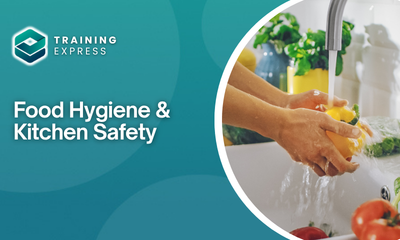
Food Hygiene & Kitchen Safety

4.9 (18 REVIEWS)
138 STUDENTS

GET THIS COURSE AND 2500+ OTHERS FOR ONLY £49 FIND OUT MORE

Poor food handling can turn an ordinary meal into a serious health risk. The Food Hygiene & Kitchen Safety course develops the knowledge needed to prepare, store and serve food safely while maintaining clean, organised and compliant kitchen environments.

Food contamination can result from harmful microorganisms, unsuitable temperatures, poor personal hygiene, allergens, pests or ineffective cleaning. This food hygiene course explains how these hazards enter food and how everyday controls can reduce their impact. Learners also examine safe equipment use, accident prevention and responsible workplace behaviour.

The course covers microbiology, temperature control, HACCP principles, allergen management and UK food safety responsibilities. Learners will also study leadership, record keeping, sustainability and emerging food safety technology. Delivered online by Training Express, the course offers flexible study for food handlers, catering employees, kitchen teams and aspiring hospitality professionals.

Key Features

Sneak Peek

Learning Outcomes

Develop the knowledge needed to handle food safely, maintain kitchen hygiene and support workplace compliance.

  • Explain why food hygiene matters within catering and hospitality settings.
  • Recognise biological, chemical, physical and allergenic food safety hazards.
  • Understand how microorganisms grow, spread and cause foodborne illness.
  • Apply suitable personal hygiene practices within food preparation environments.
  • Maintain safe food storage, preparation and temperature control procedures.
  • Reduce cross-contamination and manage food allergens more responsibly.
  • Follow effective cleaning, sanitation and pest prevention procedures.
  • Recognise common kitchen hazards and apply accident prevention measures.
  • Explain HACCP principles and food safety management responsibilities.
  • Support continuous improvement through training, records and workplace leadership.

Certification

  • Instant digital certificate available upon completion
  • Printed certificate available for delivery (postal charges may apply)
  • Certification is recommended to be renewed every 3 years to stay updated
Training-Express-Certificate-CPD-QS-1-1

Accreditation

This course is fully accredited by CPD and endorsed by QLS, ensuring recognised standards of quality and learning.

Who Should Take This Course

This food safety course is suitable for anyone who prepares, handles, stores, serves or manages food. It can support both new employees and experienced workers seeking to refresh their hygiene and kitchen safety knowledge.

  • Chefs, cooks and catering assistants
  • Kitchen porters and kitchen assistants
  • Restaurant and café employees
  • Food handlers and serving staff
  • Bakers and food production workers
  • Catering supervisors and managers
  • Care home and healthcare catering staff
  • School and nursery kitchen employees
  • Mobile caterers and takeaway workers
  • Hospitality students and business owners

No previous food hygiene qualification is required. The course starts with core safety principles before covering food hazards, legal compliance, workplace leadership and future developments.

Why Take This Course

Food businesses depend on staff who understand contamination risks and follow safe procedures consistently. One missed temperature check, unclear allergen message or poor cleaning habit may place customers, colleagues and the business at risk.

This online food hygiene course helps learners understand how safe systems operate throughout the kitchen. It connects individual habits with wider responsibilities involving customers, inspections, record keeping and workplace standards.

By enrolling, learners will benefit from:

  • CPD-accredited online training
  • Clear and accessible course materials
  • Food hygiene and kitchen safety knowledge
  • Coverage of foodborne microorganisms and contamination
  • Guidance on storage and temperature control
  • Allergen and cross-contamination awareness
  • Cleaning, sanitation and pest management guidance
  • HACCP and food safety compliance knowledge
  • Kitchen accident and equipment safety awareness
  • Dedicated tutor support throughout the course
  • An Instant FREE CPD Certificate after successful completion
  • Flexible, self-paced and mobile-friendly study
  • Lifetime access to all course materials

The course can strengthen existing catering experience and support safer working practices. It also helps learners understand how daily decisions contribute to food quality, customer confidence and regulatory compliance.

Job Opportunities & Salary Expectations in the UK

Food hygiene training can complement existing experience across hospitality, catering, manufacturing and food quality roles. However, specialist and management positions may require additional qualifications, technical knowledge or workplace experience.

Job Role Indicative UK Salary
Kitchen Porter £17,000–£25,000 per year
Waiting Staff £17,000–£27,000 per year
Baker £19,000–£26,000 per year
Catering Manager £20,000–£34,000 per year
Chef £22,000–£40,000 per year
Restaurant Manager £26,000–£40,000 per year
Food Manufacturing Inspector £27,000–£45,000 per year
Food Scientist or Technologist £24,000–£45,000 per year

These indicative salary ranges are published through National Careers Service profiles. Actual earnings depend on experience, location, qualifications, employer and level of responsibility.

Food hygiene knowledge is valuable across restaurants, schools, hospitals, care homes, hotels and food manufacturing facilities. This course can strengthen a CV and complement further hospitality, HACCP or food safety qualifications.

Entry Requirements

The course is accessible to learners from different educational and professional backgrounds.

  • No formal qualifications are required.
  • Previous catering experience is unnecessary.
  • Learners need an internet-enabled computer, tablet or smartphone.
  • An interest in food hygiene, catering or kitchen safety is recommended.

Course Curriculum

The detailed curriculum outline of our Food Hygiene & Kitchen Safety is as follows:

This module explains why food hygiene matters and how poor standards can affect customers, employees and food businesses. Learners examine hidden hazards, foodborne illness incidents and changing attitudes towards safety. The module also introduces shared responsibility and the importance of building a positive food safety culture.

Learners study microorganisms that may contaminate food and cause illness. The module explains the conditions that encourage microbial growth and the difference between ordinary spoilage and serious safety threats. It also examines contamination routes and the wider social effects of foodborne disease.

This module focuses on the behaviours food handlers must follow to protect customers and colleagues. Topics include handwashing, suitable clothing, illness reporting and personal habits. Learners also consider how regular training and clear expectations can improve accountability across kitchen teams.

Learners examine how temperature, storage and preparation methods influence food safety. The module covers contamination prevention, stock handling and allergen communication. It also considers how responsible waste reduction and sustainable practices can be introduced without weakening hygiene standards.

This module explains how structured cleaning routines remove food residue, dirt and harmful microorganisms. Learners examine safe chemical use, cleaning records and pest prevention. The module also shows how managers and employees can create a workplace culture where cleanliness remains consistent throughout every shift.

Food preparation environments contain sharp tools, hot surfaces, electrical equipment and slippery floors. This module covers safer knife use, burn prevention, fire awareness, manual handling and electrical hazards. Learners consider how maintenance, housekeeping and staff behaviour can reduce avoidable injuries.

This module introduces HACCP principles and food safety management systems. Learners study how hazards are identified, controlled, monitored and recorded. The module also covers UK food hygiene responsibilities, workplace audits and the importance of turning written policies into consistent daily procedures.

Food businesses must maintain food safety systems, manage allergen risks and ensure staff follow suitable hygiene practices.

Learners examine how supervisors and managers influence staff behaviour and food safety culture. The module covers leadership, communication, employee training and performance monitoring. It also explains how feedback, records and regular reviews can help organisations identify weaknesses and maintain stronger standards.

The final module considers new developments shaping food hygiene and kitchen management. Learners examine smart monitoring technologies, developing preservation methods and safer supply chains. The module also considers sustainability and how innovation may influence future food safety cultures.

FAQs

What is a food hygiene course?

A food hygiene course teaches learners how to handle, prepare, store and serve food safely. It covers contamination, microorganisms, personal hygiene, cleaning, temperature control, allergens and food safety management procedures.

Who should complete food hygiene training?

The training suits chefs, food handlers, kitchen assistants, waiting staff, bakers, care home cooks and catering managers. It is also relevant to anyone starting a food business or working around open food.

Can I complete this food safety course online?

Yes. Training Express delivers the course entirely online. Learners can access the materials through a computer, tablet or smartphone and study around work or personal commitments.

What will I learn in this kitchen safety training?

Learners study foodborne illness, personal hygiene, food storage, temperature control, cleaning and allergen management. The course also covers knife safety, burns, fires, slips, electrical risks and accident prevention.

Does the course cover food allergens?

Yes. Learners examine allergen communication, contamination risks and safer food handling procedures. The Food Standards Agency advises businesses to provide accurate allergen information and manage cross-contamination risks across food preparation and service.

What are the 4Cs of food hygiene?

The 4Cs are cleaning, cooking, chilling and avoiding cross-contamination. UK government guidance presents these as key areas for maintaining hygienic food business practices.

Does the course include HACCP?

Yes. The curriculum introduces Hazard Analysis and Critical Control Point principles and explains how they support food safety systems. UK food businesses must operate food safety management procedures based on HACCP principles.

Will I learn about temperature control?

Yes. Learners examine safe cooking, cooling, chilling and storage practices. They also consider how unsuitable temperatures can encourage microbial growth or reduce food quality.

Does the course cover kitchen accident prevention?

Yes. The course covers knife handling, burns, fires, slips, strains and electrical hazards. Learners consider how safer procedures, maintenance and staff awareness can reduce workplace accidents.

Do food handlers legally need a food hygiene certificate?

UK food businesses must ensure staff receive suitable supervision, instruction or training for their work. A specific certificate is not always legally required, but workers must have appropriate food hygiene knowledge for their responsibilities.

Does the course qualify me as a food safety inspector?

No. This is a CPD training course that builds food hygiene and kitchen safety knowledge. Food inspection and specialist compliance positions generally require further qualifications and relevant professional experience.

Is the course CPD accredited?

Yes. This food hygiene course is CPD accredited and supports continuing professional development. It can complement workplace induction, hospitality training and existing catering experience.

Will I receive a food hygiene certificate?

Yes. Learners receive an Instant FREE CPD Certificate after successfully completing the course. The certificate can be added to a CV or workplace development record.

Why choose this online food hygiene course?

The course covers both safe food handling and wider kitchen safety. Learners receive flexible access, tutor support, mobile-friendly materials and content relevant to catering, hospitality and food production environments.

Course Curriculum

Food Hygiene & Kitchen Safety
Module 1 Foundations of Food Hygiene – Part 1 00:05:00
Module 1 Foundations of Food Hygiene – Part 2 00:03:00
Module 2 Microbiology in Foodborne Illness – Part 1 00:05:00
Module 2 Microbiology in Foodborne Illness – Part 2 00:03:00
Module 3 Personal Hygiene in Workplace Practices – Part 1 00:04:00
Module 3 Personal Hygiene in Workplace Practices – Part 2 00:03:00
Module 4 Safe Food Handling Temperature Control – Part 1 00:05:00
Module 4 Safe Food Handling Temperature Control – Part 2 00:03:00
Module 5 Cleaning Sanitation Pest Management – Part 1 00:04:00
Module 5 Cleaning Sanitation Pest Management – Part 2 00:03:00
Module 6 Kitchen Safety Accident Prevention – Part 1 00:04:00
Module 6 Kitchen Safety Accident Prevention – Part 2 00:03:00
Module 7 Food Safety Systems Legal Compliance – Part 1 00:04:00
Module 7 Food Safety Systems Legal Compliance – Part 2 00:02:00
Module 8 Leadership Training Continuous Improvement – Part 1 00:04:00
Module 8 Leadership Training Continuous Improvement – Part 2 00:02:00
Food Hygiene & Kitchen Safety
ex Vat

SAVE 84% - OFFER ENDS SOON

TAKE THIS COURSE

OR

🔥 129 units sold in last 24 hours
  • Original price was: £125.00.Current price is: £20.00. ex Vat
  • 1 year
  • Course Certificate
  • 57 minutes
  • Gift this course
£20 /Unit Price
Total:
£100.00
Quantity:

Buying more than one of the same courses?

  • 50% discount for orders of 10+ courses
  • 60% discount for orders of 50+ courses
  • 70% discount for orders of 100+ courses

Looking for a more personalised package?

contact us now

Instructors

138 STUDENTS ENROLLED