Ethical Al and Governance in Business Strategy

0 (0 REVIEWS)
4 STUDENTS

GET THIS COURSE AND 2500+ OTHERS FOR ONLY £49 FIND OUT MORE

In an era where Artificial Intelligence dictates modern business models, speed and automation mean nothing without responsibility. Ethical AI and Governance in Business Strategy provides a definitive roadmap for executives, risk officers, tech leaders, and strategists. This program bridges technical innovation with ethical decision-making, enabling leaders to deploy AI systems that are transparent, legally compliant, unbiased, and aligned with core corporate values.

Through a comprehensive 100-unit structure structured into 10 specialized core modules, participants master practical frameworks for bias mitigation, regulatory compliance, privacy preservation, and organizational oversight.

Sneak Peek

Learning Outcomes

  • Master AI Governance Strategy: Design and deploy ethical AI frameworks aligned with organizational goals and international compliance standards.

  • Mitigate Algorithmic Bias & Risk: Audit AI algorithms, identify systemic bias, and apply technical techniques for fairness and privacy protection.

  • Implement Explainable AI (XAI): Leverage interpretable AI models and transparent practices to build trust among stakeholders and regulators.

  • Lead Ethical Decision-Making: Apply philosophical frameworks (Utilitarianism, Deontology) to resolve complex AI trade-offs and operational dilemmas.

  • Establish Operational Accountability: Build robust organizational oversight mechanisms, clear accountability chains, and data privacy controls.

  • Drive Sustainable Innovation: Align AI initiatives with Corporate Social Responsibility (CSR) and long-term business sustainability goals.

Who is this Course For

  • C-Suite Executives & Directors: Steering enterprise-wide digital transformation with responsible AI governance.

  • AI Product Managers & Technical Leads: Building and deploying algorithms that require fairness, explainability, and risk compliance.

  • Risk, Compliance & Legal Officers: Navigating evolving global AI regulations, data privacy laws, and corporate audit standards.

  • Management Consultants & Ethics Advisors: Helping client organizations adopt ethical AI models and governance structures.

  • Data Scientists & Machine Learning Engineers: Seeking to understand the ethical, social, and legal impact of their data pipelines and models.

Certification

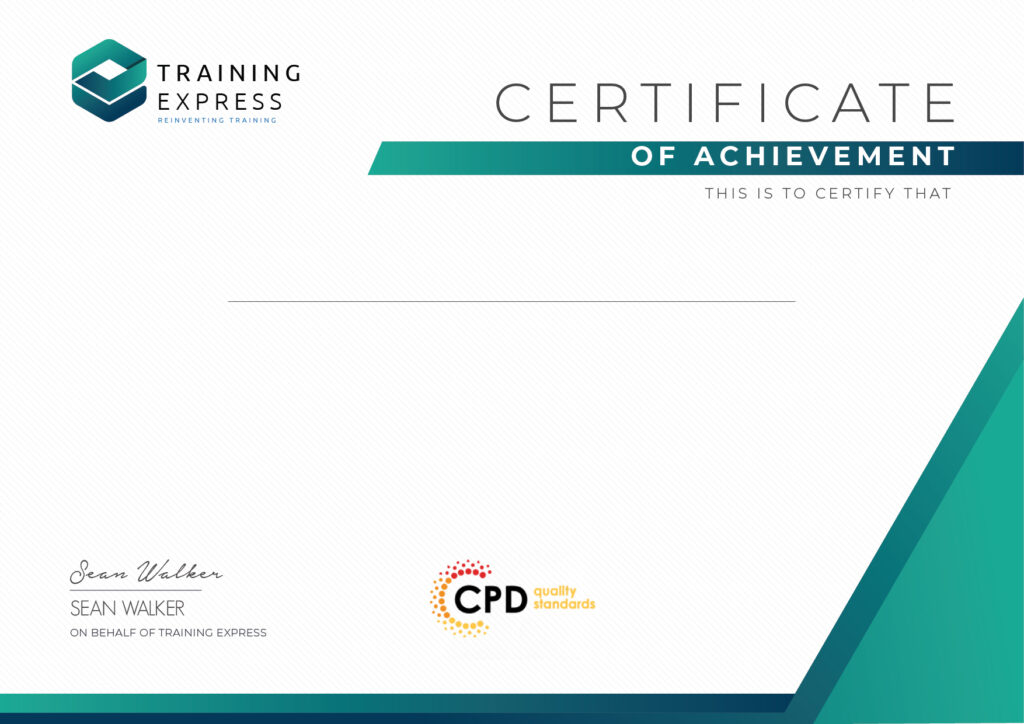
Once you’ve successfully completed your course, you will immediately be sent a digital certificate. Also, you can have your printed certificate delivered by post (shipping cost £5.99). All of our courses are fully accredited, providing you with up-to-date skills and knowledge and helping you to become more competent and effective in your chosen field. Our certifications have no expiry dates, although we do recommend that you renew them every 12 months.

Accreditation

All of our courses, including this Ethical Al and Governance in Business Strategy, are fully accredited, providing you with up-to-date skills and knowledge and helping you to become more competent and effective in your chosen field.

Career Path

  • Chief AI Ethics & Governance Officer – £110,000 average UK salary

  • Ethical AI Systems Architect – £95,000 average UK salary

  • AI Risk & Compliance Lead – £85,000 average UK salary

  • Responsible AI Program Manager – £80,000 average UK salary

  • Data Privacy & Governance Consultant – £75,000 average UK salary

Course Curriculum

The detailed curriculum outline of our Ethical Al and Governance in Business Strategy is as follows:

  • Unit 01: Ethical AI and Governance in Business Strategy
  • Unit 02: Ethical Decision-Making Models
  • Unit 03: Ethical Leadership Principles
  • Unit 04: Role of Ethics in Business Governance
  • Unit 05: Case Studies on Ethical Dilemmas
  • Unit 06: Introduction to AI Ethics
  • Unit 07: Ethical Principles in AI Development
  • Unit 08: Challenges of Ethical AI Implementation
  • Unit 09: Ethical AI Governance Frameworks
  • Unit 10: Real-Life Examples of Ethical AI Applications
  • Unit 11: Governance Structures in Organizations
  • Unit 12: Corporate Governance Principles
  • Unit 13: Strategic Planning and Governance
  • Unit 14: Ethics Oversight in Business Governance
  • Unit 15: Case Studies on Effective Governance Models
  • Unit 16: Ethics in AI Development
  • Unit 17: AI Governance Best Practices
  • Unit 18: Transparency and Accountability in AI
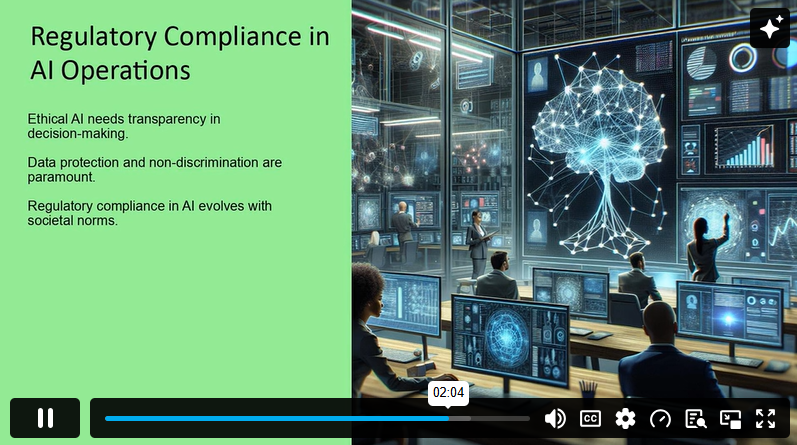
  • Unit 19: Regulatory Compliance in AI Operations
  • Unit 20: Responsible AI Case Studies
  • Unit 21: Ethical Leadership Traits and Behaviors
  • Unit 22: Leading with Ethical Decision-Making
  • Unit 23: Building an Ethical Culture
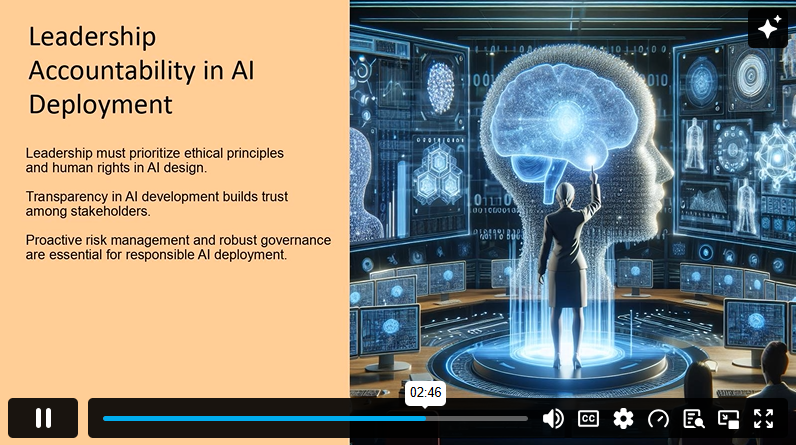
  • Unit 24: Leadership Accountability in AI Deployment
  • Unit 25: Real-Life Examples of Ethical Leadership
  • Unit 26: Risk Assessment in AI Projects
  • Unit 27: Risk Mitigation Strategies
  • Unit 28: Ethical Risk Identification
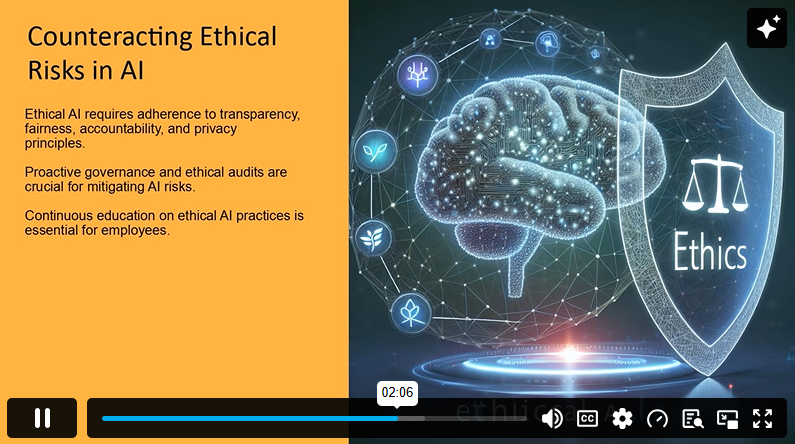
  • Unit 29: Counteracting Ethical Risks in AI
  • Unit 30: Case Studies on Managing AI-Related Risks
  • Unit 31: Current Regulatory Landscape for AI
  • Unit 32: Compliance Requirements for Ethical AI
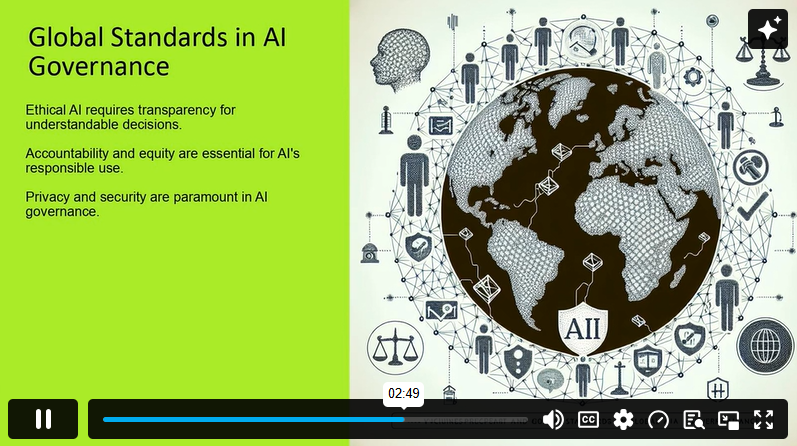
  • Unit 33: Global Standards in AI Governance
  • Unit 34: Regulatory Challenges in AI Ethics
  • Unit 35: Examples of Regulatory Interventions in Business
  • Unit 36: Ethical Decision Models
  • Unit 37: Utilitarianism and Deontology in Ethics
  • Unit 38: AI-Driven Decision-Making Tools
  • Unit 39: Implementing Ethical Frameworks in Business
  • Unit 40: Ethical Decision-Making Case Studies
  • Unit 41: Understanding Bias in AI Systems
  • Unit 42: Bias Mitigation Techniques
  • Unit 43: Fairness in AI Algorithms
  • Unit 44: AI Audit for Bias Detection
  • Unit 45: Real-Life Examples of Bias Correction in AI
  • Unit 46: Data Privacy and Confidentiality
  • Unit 47: Ethical Data Collection Methods
  • Unit 48: Consent and Data Protection Laws
  • Unit 49: Ethical Data Sharing Practices
  • Unit 50: Cases of Ethical Data Management
  • Unit 51: The Importance of AI Transparency
  • Unit 52: Explainable AI Techniques
  • Unit 53: Interpretable AI Models
  • Unit 54: Building Trust through Transparency
  • Unit 55: Case Studies on AI Explainability
  • Unit 56: CSR Principles in Business
  • Unit 57: Aligning AI with CSR Goals
  • Unit 58: Sustainable AI Practices
  • Unit 59: Measuring CSR Impact of AI Initiatives
  • Unit 60: CSR Implementation Case Studies in Business
  • Unit 61: Identifying Stakeholders in AI Projects
  • Unit 62: Stakeholder Communication Strategies
  • Unit 63: Ethical Stakeholder Engagement
  • Unit 64: Stakeholder Feedback Utilization
  • Unit 65: Real-Life Cases of Effective Stakeholder Engagement
  • Unit 66: Embedding Ethics in AI Policies
  • Unit 67: Ethics Training for AI Teams
  • Unit 68: Codifying Ethical Standards
  • Unit 69: Monitoring Ethical Compliance
  • Unit 70: Successful Cases of Ethical Governance
  • Unit 71: AI Decision Responsibility
  • Unit 72: Establishing Accountability Chains
  • Unit 73: Ethical Oversight Mechanisms
  • Unit 74: Accountability Models in AI Systems
  • Unit 75: Case Studies on AI Decision Accountability
  • Unit 76: Identifying Ethical Dilemmas
  • Unit 77: Ethical Decision Approaches
  • Unit 78: Resolving Ethical Conflicts in Business
  • Unit 79: Preventing Ethical Crises
  • Unit 80: Real-Life Scenarios of Ethical Dilemma Management
  • Unit 81: Ethical Considerations in Innovation
  • Unit 82: Innovating Responsibly with AI
  • Unit 83: Encouraging Ethical Creativity
  • Unit 84: Ethical Innovation Frameworks
  • Unit 85: Case Studies on Ethical Business Innovation
  • Unit 86: Privacy Regulations and Compliance
  • Unit 87: Privacy-Preserving AI Technologies
  • Unit 88: Balancing Privacy and Utility in AI
  • Unit 89: Ethical Data De-Identification
  • Unit 90: Case Studies on Privacy Protection in AI
  • Unit 91: Ethical Reporting Standards
  • Unit 92: AI Governance Reporting Best Practices
  • Unit 93: Communicating Ethical AI Practices
  • Unit 94: Transparent Disclosure in AI Governance
  • Unit 95: Examples of Effective AI Governance Reporting
  • Unit 96: Emerging Ethical Issues in AI
  • Unit 97: Ethical AI Transformation Trends
  • Unit 98: Sustainable Governance for AI
  • Unit 99: Challenges and Opportunities Ahead
  • Unit 100: Preparing for Ethical Leadership in AI-Driven Business

Course Curriculum

Ethical Al and Governance in Business Strategy
1_Ethical_AI_and_Governance_in_Business_Strategy__Et 00:02:00
2_Ethical Decision-Making Models 00:03:00
3_Ethical Leadership Principles 00:03:00
4_Role of Ethics in Business Governance 00:03:00
5_Case Studies on Ethical Dilemmas 00:03:00
6_Introduction to AI Ethics 00:03:00
7_Ethical Principles in AI Development 00:03:00
8_Challenges of Ethical AI Implementation 00:03:00
9_Ethical AI Governance Frameworks 00:03:00
10_Real-Life Examples of Ethical AI Applications 00:03:00
11_Governance Structures in Organizations 00:03:00
12_Corporate Governance Principles 00:04:00
13_Strategic Planning and Governance 00:04:00
14_Ethics Oversight in Business Governance 00:03:00
15_Case Studies on Effective Governance Models 00:03:00
16_Ethics in AI Development 00:04:00
17_AI Governance Best Practices 00:03:00
18_Transparency and Accountability in AI 00:03:00
19_Regulatory Compliance in AI Operations 00:03:00
20_Responsible AI Case Studies 00:04:00
21_Ethical Leadership Traits and Behaviors 00:04:00
22_Leading with Ethical Decision-Making 00:03:00
23_Building an Ethical Culture 00:03:00
24_Leadership Accountability in AI Deployment 00:04:00
25_Real-Life Examples of Ethical Leadership 00:03:00
26_Risk Assessment in AI Projects 00:03:00
27_Risk Mitigation Strategies 00:03:00
28_Ethical Risk Identification 00:04:00
29_Counteracting Ethical Risks in AI 00:03:00
30_Case Studies on Managing AI-related Risks 00:04:00
31_Current Regulatory Landscape for AI 00:03:00
32_Compliance Requirements for Ethical AI 00:03:00
33_Global Standards in AI Governance 00:04:00
34_Regulatory Challenges in AI Ethics 00:03:00
35_Examples of Regulatory Interventions in Business 00:03:00
36_Ethical Decision Models 00:03:00
37_Utilitarianism and Deontology in Ethics 00:04:00
38_AI-driven Decision-making Tools 00:03:00
39_Implementing Ethical Frameworks in Business 00:03:00
40_Ethical Decision-making Case Studies 00:04:00
41_Understanding Bias in AI Systems 00:03:00
42_Bias Mitigation Techniques 00:03:00
43_Fairness in AI Algorithms 00:03:00
44_AI Audit for Bias Detection 00:03:00
45_Real-Life Examples of Bias Correction in AI 00:03:00
46_Data Privacy and Confidentiality 00:03:00
47_Ethical Data Collection Methods 00:03:00
48_Consent and Data Protection Laws 00:03:00
49_Ethical Data Sharing Practices 00:03:00
50_Cases of Ethical Data Management 00:03:00
51_The Importance of AI Transparency 00:03:00
52_Explainable AI Techniques 00:03:00
53_Interpretable AI Models 00:02:00
54_Building Trust through Transparency 00:03:00
55_Case Studies on AI Explainability 00:04:00
56_CSR Principles in Business 00:03:00
57_Aligning AI with CSR Goals 00:03:00
58_Sustainable AI Practices 00:03:00
59_Measuring CSR Impact of AI Initiatives 00:03:00
60_CSR Implementation Case Studies in Business 00:03:00
61_Identifying Stakeholders in AI Projects 00:03:00
62_Stakeholder Communication Strategies 00:03:00
63_Ethical Stakeholder Engagement 00:03:00
64_Stakeholder Feedback Utilization 00:03:00
65_Real-Life Cases of Effective Stakeholder Engagement 00:03:00
66_Embedding Ethics in AI Policies 00:04:00
67_Ethics Training for AI Teams 00:04:00
68_Codifying Ethical Standards 00:04:00
69_Monitoring Ethical Compliance 00:03:00
70_Successful Cases of Ethical Governance 00:04:00
71_AI Decision Responsibility 00:03:00
72_Establishing Accountability Chains 00:03:00
73_Ethical Oversight Mechanisms 00:03:00
74_Accountability Models in AI Systems 00:03:00
75_Case Studies on AI Decision Accountability 00:03:00
76_Identifying Ethical Dilemmas 00:03:00
77_Ethical Decision Approaches 00:03:00
78_Resolving Ethical Conflicts in Business 00:03:00
79_Preventing Ethical Crises 00:03:00
80_Real-Life Scenarios of Ethical Dilemma Management 00:04:00
81_Ethical Considerations in Innovation 00:03:00
82_Innovating Responsibly with AI 00:03:00
83_Encouraging Ethical Creativity 00:03:00
84_Ethical Innovation Frameworks 00:04:00
85_Case Studies on Ethical Business Innovation 00:03:00
86_Privacy Regulations and Compliance 00:03:00
87_Privacy-Preserving AI Technologies 00:03:00
88_Balancing Privacy and Utility in AI 00:03:00
89_Ethical Data De-Identification 00:03:00
90_Case Studies on Privacy Protection in AI 00:04:00
91_Ethical Reporting Standards 00:03:00
92_AI Governance Reporting Best Practices 00:04:00
93_Communicating Ethical AI Practices 00:03:00
94_Transparent Disclosure in AI Governance 00:03:00
95_Examples of Effective AI Governance Reporting 00:03:00
96_Emerging Ethical Issues in AI 00:04:00
97_Ethical AI Transformation Trends 00:03:00
98_Sustainable Governance for AI 00:03:00
98_Challenges and Opportunities Ahead 00:04:00
99_Challenges and Opportunities Ahead 00:03:00
100_Preparing for Ethical Leadership in AI-driven Business 00:03:00
Ethical Al and Governance in Business Strategy
ex Vat

SAVE 84% - OFFER ENDS SOON

TAKE THIS COURSE

Or

  • Original price was: £125.00.Current price is: £20.00. ex Vat
  • 1 year
  • Course Certificate
  • 5 hours, 23 minutes
  • Gift this course
£20 /Unit Price
Total:
£100.00
Quantity:

Buying more than one of the same courses?

  • 50% discount for orders of 10+ courses
  • 60% discount for orders of 50+ courses
  • 70% discount for orders of 100+ courses

Looking for a more personalised package?

contact us now

Instructors

4 STUDENTS ENROLLED