GET THIS COURSE AND 2500+ OTHERS FOR ONLY £49 FIND OUT MORE
Poor workplace ergonomics can lead to musculoskeletal disorders (MSDs), reduced productivity, increased absenteeism, and higher business costs. This Ergonomics Program Management course teaches you how to develop, implement, and maintain an effective ergonomics programme that reduces workplace risks while supporting employee wellbeing and organisational performance.
Whether you are responsible for health and safety, operations, HR, or workplace compliance, understanding how to identify ergonomic hazards and introduce practical improvements is an essential skill. Throughout this course, you will explore ergonomic control measures, workplace ergonomic solutions, and evidence-based strategies that help create safer, healthier working environments across different industries.
Designed by qualified industry professionals, this CPD-accredited online course combines practical guidance with recognised best practice to help learners confidently manage ergonomic risks. With interactive modules, tutor support, lifetime access, and an instant free CPD certificate upon successful completion, you’ll gain knowledge that can be applied immediately in the workplace.
Sneak Peek
Learning Outcomes
By the end of this course, you’ll have the practical knowledge and confidence to manage workplace ergonomics effectively while supporting legal compliance and employee wellbeing.
- Understand the principles and objectives of ergonomics program management.
- Identify common musculoskeletal disorder (MSD) risk factors across different workplaces.
- Apply effective ergonomic control measures to reduce workplace hazards.
- Conduct ergonomic job hazard analyses and prioritise corrective actions.
- Implement practical workplace ergonomic solutions that improve safety and productivity.
- Develop ergonomic intervention strategies suitable for different industries and job roles.
- Support ergonomic compliance management through monitoring, documentation, and programme reviews.
- Evaluate and improve workstation optimisation techniques to promote long-term employee health.
Certification
- Instant digital certificate available upon completion
- Printed certificate available for delivery (postal charges may apply)
- Certification is recommended to be renewed every 3 years to stay updated
Who Should Take the Course?
Creating an effective ergonomics programme requires collaboration across every level of an organisation. This course is suitable for anyone involved in workplace safety, employee wellbeing, or operational management who wants to reduce ergonomic risks and improve working conditions.
- Health and Safety Officers
- Health and Safety Managers
- HR Professionals
- Operations Managers
- Warehouse Supervisors
- Manufacturing Managers
- Facilities Managers
- Office Managers
- Healthcare Managers
- Team Leaders and Supervisors
- Risk Assessment Professionals
- Compliance Officers
- Business Owners
- Occupational Health Professionals
- Anyone responsible for workplace safety and employee wellbeing
Whether you’re new to ergonomics or looking to strengthen your existing knowledge, this beginner-friendly course provides practical skills that can be applied across a wide range of industries.
Why Take This Course?
An effective ergonomics programme benefits both employees and organisations. By identifying workplace risks early and implementing practical improvements, businesses can reduce injuries, improve productivity, lower absenteeism, and create healthier working environments. This course equips you with the knowledge needed to manage ergonomic risks confidently while supporting long-term organisational success.
During the course, you’ll explore practical ergonomic intervention strategies, understand modern ergonomic compliance management, and learn how effective workstation optimisation techniques contribute to safer, more efficient workplaces. The training focuses on real-world applications that can be adapted across offices, manufacturing, healthcare, warehousing, and many other sectors.
Whether you want to improve workplace safety, strengthen your professional skills, or support organisational compliance, this course provides practical knowledge that delivers lasting value throughout your career
Job Opportunities & Salary Expectations in the UK
| Job Role | Average UK Salary |
|---|---|
| Health and Safety Manager | £42,000–£60,000 per year |
| Health and Safety Officer | £30,000–£42,000 per year |
| Occupational Health Advisor | £38,000–£52,000 per year |
| Ergonomics Consultant | £40,000–£65,000 per year |
| Facilities Manager | £38,000–£55,000 per year |
| Operations Manager | £45,000–£70,000 per year |
| Compliance Manager | £40,000–£65,000 per year |
| Risk & Safety Consultant | £40,000–£60,000 per year |
Entry Requirements
This course has been designed to be accessible for learners of all experience levels.
- No previous experience required.
- Suitable for beginners and professionals.
- Internet access on a computer, tablet, or phone.
- A willingness to learn is all you need.
Course Curriculum
The detailed curriculum outline of our Ergonomics Program Management is as follows:
Begin by exploring the core principles that underpin a successful ergonomics programme. This module introduces the purpose and scope of workplace ergonomics, explains why organisational commitment is essential, and highlights the benefits of preventing musculoskeletal disorders before they occur. You’ll also gain an understanding of the regulatory landscape and the role of ergonomics in creating safer, healthier workplaces.
Build a solid understanding of the essential components that make an ergonomics programme effective. This module explains how to identify common workplace risk factors, compares proactive and reactive management approaches, and demonstrates how ergonomics integrates with wider health and safety systems. You’ll also learn why regular programme reviews are vital for continuous improvement.
Effective ergonomics begins with recognising workplace risks before they result in injury. In this module, you’ll discover practical methods for gathering employee feedback, identifying physical and psychological risk factors, and analysing evidence of musculoskeletal disorders. The knowledge gained will help you make informed decisions based on workplace data and trends.
Learn how to carry out structured ergonomic assessments that identify tasks with the highest injury potential. This module explains the job hazard analysis process, helping you evaluate workplace activities, prioritise risks, and document findings effectively. These practical skills support informed decision-making and stronger workplace safety management.
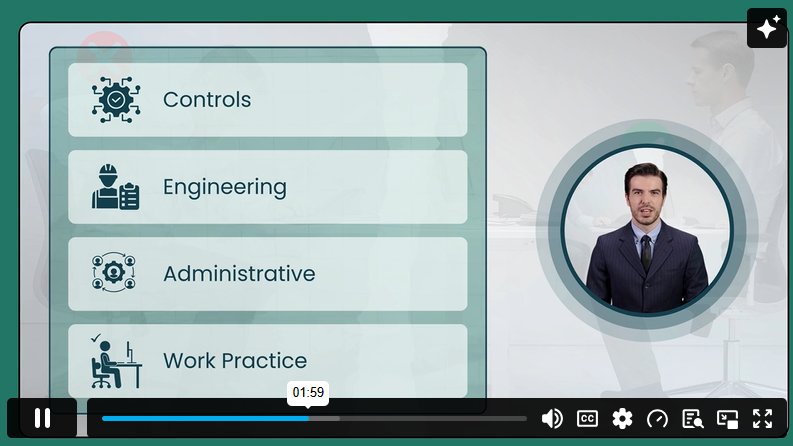
Discover how effective ergonomic control measures can significantly reduce workplace risks and improve employee wellbeing. This module explores different types of controls, including engineering, administrative, and work practice solutions, while demonstrating how to select the most appropriate interventions. You’ll also understand how to evaluate the success of implemented improvements over time.
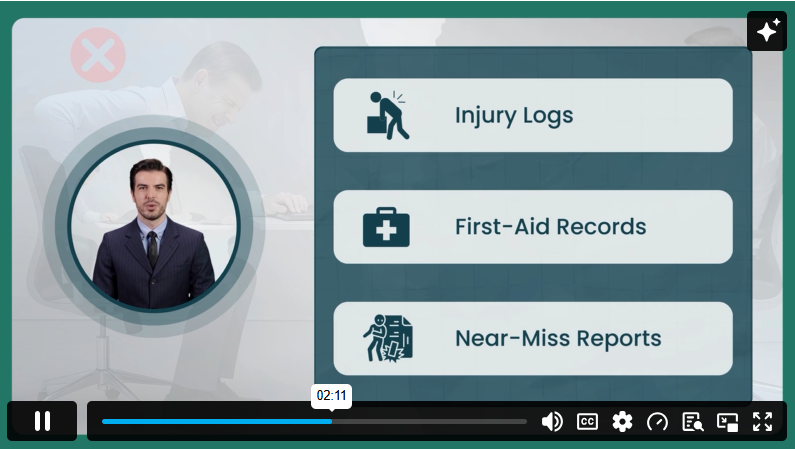
Gain valuable insight into the medical aspects of ergonomics programme management and the collaborative role of employers, employees, and healthcare professionals. This module examines reporting procedures, confidentiality, rehabilitation, and return-to-work planning to help organisations manage musculoskeletal disorders responsibly and effectively.
Conclude the course by learning how to develop engaging and effective ergonomics training programmes for different workplace environments. This module covers planning, delivery, learner engagement, and evaluating training outcomes while reinforcing practical workplace ergonomic solutions and ergonomic intervention strategies that encourage long-term behavioural change and continuous workplace improvement.
FAQs
How long does it take to complete the Ergonomics Program Management course?
The course is completely self-paced, allowing you to study whenever it suits your schedule. Most learners complete the training within a few hours, but you can spread your learning over several days or weeks. With lifetime access, you can revisit the materials whenever you need a refresher.
Do I need any previous experience to enrol in this course?
No. This course is designed for beginners as well as experienced professionals looking to strengthen their understanding of workplace ergonomics. All concepts are explained in a clear, practical way, making it suitable for learners from a wide range of industries.
What will I learn in this Ergonomics Program Management course?
You’ll learn how to identify ergonomic hazards, assess musculoskeletal disorder (MSD) risks, implement effective ergonomic control measures, and develop practical workplace ergonomic solutions. The course also covers risk assessments, programme management, compliance, employee engagement, and continuous improvement strategies.
Is this Ergonomics Program Management course CPD accredited?
Yes. This course is CPD accredited, meaning it meets recognised standards for continuing professional development. After successfully completing the course, you’ll receive an Instant Free CPD Certificate that demonstrates your commitment to professional learning.
Who should complete ergonomics training?
Why is ergonomics important in the workplace?
Good ergonomics helps reduce the risk of musculoskeletal disorders, fatigue, and repetitive strain injuries while improving employee comfort and efficiency. Implementing effective workstation optimisation techniques can also reduce absenteeism, enhance productivity, and support a healthier working environment.
How does this course support workplace compliance?
The course introduces key principles of ergonomic compliance management, helping learners understand their responsibilities for identifying risks, implementing appropriate controls, and reviewing ergonomics programmes. It also promotes best practices that support safer and more compliant workplaces.
Can I apply what I learn across different industries?
Yes. The knowledge and practical skills gained from this course can be applied across offices, healthcare, manufacturing, logistics, construction, warehousing, retail, education, and many other sectors. At Training Express, we’ve designed the course with real workplace scenarios, making it easy to adapt ergonomic best practices and workplace improvements to different industries and job roles.
Will this course help improve workplace safety and productivity?
Yes. Effective ergonomic intervention strategies reduce workplace hazards, minimise injuries, and improve employee comfort. These improvements often lead to increased productivity, better staff morale, fewer lost working days, and lower operational costs for organisations.
What certification will I receive after completing the course?
After successfully completing the assessment, you’ll receive an Instant Free CPD Accredited Certificate. This certificate can strengthen your CV, support your continuing professional development, and demonstrate your knowledge of modern ergonomics programme management.
Course Curriculum
| Ergonomics Program Management | |||
| Introduction | 00:01:00 | ||
| Module 1: Foundations of Ergonomics Program Management | 00:04:00 | ||
| Module 2: Ergonomics Program Elements and Approaches | 00:04:00 | ||
| Module 3: Risk Identification and Analysis Techniques | 00:04:00 | ||
| Module 4: Ergonomics Job Hazard Analysis | 00:04:00 | ||
| Module 5: Control Measures and Hazard Reduction | 00:04:00 | ||
| Module 6: Medical Management of MSDs | 00:03:00 | ||
| Module 7: Ergonomics Training Strategies | 00:03:00 | ||
| Conclusion | 00:01:00 | ||
SAVE 84% - OFFER ENDS SOON
Or
£125.00Original price was: £125.00.£20.00Current price is: £20.00. ex Vat- 1 year
- Intermediate
- Course Certificate
- 28 minutes Gift this course
Buying more than one of the same courses?
- 50% discount for orders of 10+ courses
- 60% discount for orders of 50+ courses
- 70% discount for orders of 100+ courses
Food Hygiene
Health & Safety
Safeguarding
First Aid
Business Skills
Personal Development