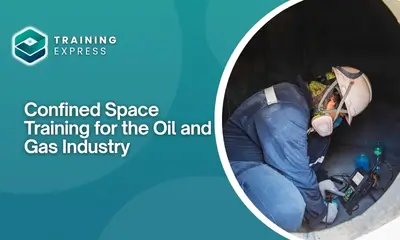
Confined Space Training for the Oil and Gas Industry

4.9 (18 REVIEWS)
124 STUDENTS

GET THIS COURSE AND 2500+ OTHERS FOR ONLY £49 FIND OUT MORE

Confined Space Training for the Oil and Gas Industry equips workers with the knowledge and practical skills needed to operate safely in high-risk, restricted environments such as tanks, pipelines, and storage vessels. It focuses on building essential safety awareness and practical competence for working safely in confined space conditions.

In the oil and gas sector, confined space operations carry extreme hazards including toxic gases, oxygen deficiency, and engulfment risks. This course provides a clear understanding of how to identify dangers and apply safe systems of work before entering any restricted area.

Through structured, CPD-accredited training, learners gain practical knowledge in oil and gas safety training, gas detection training, and permit-to-work systems. It ensures workers are fully prepared to meet industry standards and respond effectively in emergency situations.

Sneak Peek

Learning Outcomes

This course equips learners with essential knowledge to safely work in high-risk confined spaces within oil and gas environments. It focuses on practical safety procedures and compliance awareness.

  • Understand confined space risks specific to oil and gas operations
  • Identify hazardous atmospheres and toxic gas exposure risks
  • Apply oil and gas safety training principles in real environments
  • Conduct basic gas detection and interpret safety readings
  • Understand permit-to-work systems and their importance
  • Follow safe entry and exit procedures for confined spaces
  • Recognise legal and regulatory requirements for compliance
  • Respond effectively to confined space emergencies

Certification

  • Instant digital certificate available upon completion
  • Printed certificate available for delivery (postal charges may apply)
  • Certification is recommended to be renewed every 3 years to stay updated
Training-Express-Certificate-CPD-QS-1-1

Accreditation

This course is fully accredited by CPD and endorsed by QLS, ensuring recognised standards of quality and learning.

Who Should Take This Course

This training is essential for anyone involved in entering, supervising, or managing confined space operations within oil and gas environments where strict safety controls are required.

  • Authorized Entrants and Maintenance Technicians
  • Pipeline and Refinery Workers
  • HSE Officers and Safety Managers
  • Confined Space Attendants and Safety Watchers
  • Entry Supervisors and Permit Issuers
  • Rescue Team Members and Emergency Responders
  • Engineers working in high-risk industrial sites
  • Contractors operating in oil and gas facilities

This course is suitable for both new and experienced professionals who want to strengthen safety competence and meet industry expectations in confined space operations.

Why Take This Course

Confined space work in the oil and gas industry is one of the most dangerous industrial activities, where even small mistakes can lead to life-threatening consequences. Proper training is essential to ensure safety, compliance, and operational control.This course helps professionals understand how to reduce risks, follow correct procedures, and respond effectively in emergency situations.

  • Improve safety awareness in oil and gas environments
  • Strengthen confined space safety course knowledge
  • Learn correct use of gas detection training equipment
  • Understand permit to work training systems in detail
  • Reduce risk of accidents, exposure, and fatalities
  • Build confidence in emergency response situations
  • Support compliance with industry regulations and standards
  • Enhance professional safety responsibility and awareness

By completing this training, learners contribute directly to safer operations, reduced incidents, and stronger workplace safety culture across oil and gas sites.

Job Opportunities & Salary Expectations in the UK

This qualification supports career progression in high-risk industrial and offshore environments where confined space competency is essential.

  • Confined Space Entry Operative – £28,000 – £42,000 per year
  • Oil and Gas Technician – £32,000 – £55,000 per year
  • HSE Safety Officer – £35,000 – £60,000 per year
  • Permit to Work Coordinator – £38,000 – £65,000 per year
  • Gas Detection Specialist – £40,000 – £70,000 per year
  • Offshore Safety Technician – £45,000 – £80,000 per year
  • Maintenance Engineer (Oil & Gas) – £40,000 – £75,000 per year
  • Rescue Team Specialist – £35,000 – £60,000 per year

This training significantly improves employability in hazardous industrial sectors and strengthens safety leadership roles.

Entry Requirements

This course is designed to be accessible for professionals working in or entering oil and gas safety environments.

  • No formal qualifications required
  • Basic understanding of workplace safety is helpful
  • Suitable for beginners and experienced workers
  • Access to a digital device with internet connection

Course Curriculum

The detailed curriculum outline of our Confined Space Training for the Oil and Gas Industry is as follows:

This opening module builds the foundation of confined space awareness within high-risk oil and gas environments. Learners explore what defines a confined space and why these areas present unique dangers such as toxic gases and limited access. It also explains legal frameworks and industry regulations that govern safe operations. The module ensures a strong understanding of roles and responsibilities before any site entry takes place.

This module focuses on preparing safely before entering any confined space in oil and gas facilities. It covers essential control measures such as gas detection, atmospheric monitoring, and permit-to-work systems. Learners also explore safe entry procedures and PPE requirements for high-risk environments. The goal is to ensure every entry is fully assessed and controlled before work begins.

This section develops critical awareness of emergency response strategies in confined space incidents. It explains how rescue teams operate and the importance of structured emergency planning. Learners also understand different rescue techniques and equipment used in life-threatening situations. The module reinforces how post-incident reviews improve future safety performance.

FAQs

1. What is Confined Space Training for the Oil and Gas Industry?

Confined Space Training for the Oil and Gas Industry teaches workers how to safely enter, work in, and exit restricted spaces such as tanks, pipelines, and vessels. It focuses on identifying hazards like toxic gases and low oxygen levels. The course also covers safe systems of work and emergency procedures. It is essential for maintaining safety in high-risk environments.

2. Why is confined space training important in oil and gas work?

Confined space environments in oil and gas are extremely dangerous due to invisible hazards such as gas leaks and oxygen deficiency. Proper training helps workers recognise risks and follow safe procedures. It reduces accidents and improves overall workplace safety. It is also a legal requirement in many industrial operations.

3. What are the main hazards in confined spaces?

The main hazards include toxic atmospheres, flammable gases, oxygen deficiency, engulfment risks, and extreme temperatures. These dangers can develop quickly and often without warning. Workers must be trained to identify and control these risks. Proper monitoring and safety procedures are essential before entry.

4. What is gas detection training in this course?

Gas detection training teaches learners how to use monitoring equipment to check air quality before and during confined space entry. It helps identify dangerous gas levels and ensures safe working conditions. Understanding readings correctly is critical for preventing exposure. It is a key part of oil and gas safety training.

5. What is a permit to work system?

A permit to work system is a formal safety procedure that authorises and controls high-risk activities. It ensures that hazards are assessed and proper safety measures are in place before work begins. In confined space operations, it is essential for legal compliance and risk control. It also helps maintain clear communication between teams.

6. Who needs confined space training?

Anyone involved in confined space operations needs this training, including workers, supervisors, safety attendants, and rescue teams. It ensures that every role understands their responsibilities and safety duties. This helps create a coordinated and safe working environment. It is mandatory in many oil and gas workplaces.

Course Curriculum

Introduction
Introduction 00:01:00
1: Fundamentals of Confined Spaces in Oil and Gas
1.1 – Defining Confined Spaces in Oil and Gas Environments 00:01:00
1.2 – Key Hazards and Risks in Confined Spaces 00:01:00
1.3 – Legal and Regulatory Requirements 00:01:00
1.4 – Roles and Responsibilities of Workers and Supervisors 00:01:00
Reading Materials
Module 1 00:00:00
2: Entry Preparation and Hazard Control
2.1 – Atmospheric Testing and Monitoring 00:01:00
2.2 – Permit-to-Work Systems 00:01:00
2.3 – Safe Entry and Work Procedures 00:01:00
2.4 – PPE and Equipment for Confined Space Entry 00:01:00
Reading Materials
Module 2 00:00:00
3: Emergency Procedures and Rescue Preparedness
3.1 – Emergency Response Planning 00:01:00
3.2 – Roles of Rescue Teams and Personnel 00:01:00
3.3 – Rescue Techniques and Equipment 00:01:00
3.4 – Post-Incident Review and Learning 00:01:00
Reading Materials
Module 3 00:00:00
Conclusion
Course Conclusion# 00:01:00
Confined Space Training for the Oil and Gas Industry
ex Vat

SAVE 84% - OFFER ENDS SOON

TAKE THIS COURSE

OR

🔥 129 units sold in last 24 hours
  • Original price was: £125.00.Current price is: £20.00. ex Vat
  • 1 year
  • Course Certificate
  • 14 minutes
  • Gift this course
£20 /Unit Price
Total:
£100.00
Quantity:

Buying more than one of the same courses?

  • 50% discount for orders of 10+ courses
  • 60% discount for orders of 50+ courses
  • 70% discount for orders of 100+ courses

Looking for a more personalised package?

contact us now

Instructors

124 STUDENTS ENROLLED