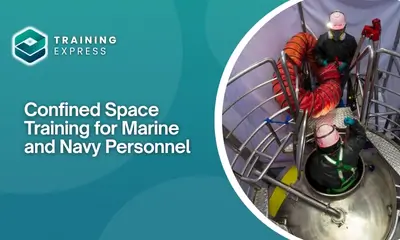
Confined Space Training for Marine and Navy Personnel

4.9 (18 REVIEWS)
124 STUDENTS

GET THIS COURSE AND 2500+ OTHERS FOR ONLY £49 FIND OUT MORE

Confined Space Training for Marine and Navy Personnel is designed to prepare naval and maritime staff to safely enter, work in, and manage high-risk confined environments aboard ships, submarines, and dockyard facilities. It focuses on improving awareness of confined space hazards and strengthening safe operational practices at sea.

Working in maritime confined spaces such as fuel tanks, engine rooms, ballast compartments, and cargo holds presents serious risks including toxic gases, oxygen deficiency, and entrapment. This training ensures personnel understand how to identify dangers before entry and follow strict shipboard safety procedures training protocols.

This CPD-accredited course provides practical, easy-to-understand learning developed for real naval and marine environments. It supports maritime confined space training standards while improving confidence in emergency response, damage control, and safe entry operations.

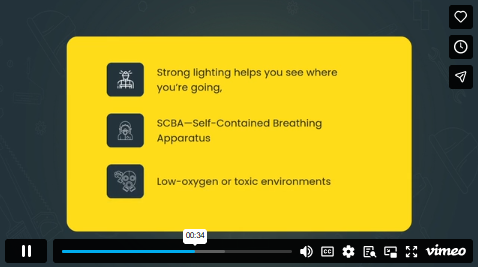
Sneak Peek

Learning Outcomes

This course builds essential safety knowledge required for working in high-risk marine environments. It focuses on practical skills aligned with naval and maritime safety standards.

  • Understand confined space hazards in marine and naval environments
  • Identify shipboard confined spaces and associated risks
  • Recognise atmospheric dangers including toxic gases and oxygen deficiency
  • Apply maritime confined space training safety procedures correctly
  • Conduct basic risk assessments before entering restricted spaces
  • Follow permit-to-work systems for safe confined space entry
  • Use PPE and safety equipment effectively in hazardous environments
  • Respond appropriately to confined space emergencies and incidents

Certification

  • Instant digital certificate available upon completion
  • Printed certificate available for delivery (postal charges may apply)
  • Certification is recommended to be renewed every 3 years to stay updated
Training-Express-Certificate-CPD-QS-1-1

Accreditation

This course is fully accredited by CPD and endorsed by QLS, ensuring recognised standards of quality and learning.

Who Should Take This Course

This training is essential for personnel working in or around restricted shipboard environments where safety risks are high and proper procedures are critical. 

  • Navy and naval engineering personnel
  • Marine engineers and technical crew
  • Ship maintenance and repair teams
  • Safety officers and compliance staff
  • Dockyard and shipyard workers
  • Emergency response and rescue teams
  • Inspection and survey personnel
  • Offshore and maritime operational staff

Whether you are directly entering confined spaces or responsible for overseeing shipboard safety procedures training, this course provides essential knowledge to reduce risk and improve operational safety at sea.

Why Take This Course

Confined spaces on ships and naval vessels are among the most dangerous working environments due to unpredictable atmospheric conditions and limited escape routes. Understanding these risks is essential for survival and safe operations.

  • Strengthen knowledge of naval damage control training principles
  • Improve safety awareness in marine hazardous space entry
  • Reduce risk of confined space accidents and fatalities
  • Learn structured permit-to-work and entry procedures
  • Enhance emergency response and rescue readiness
  • Support compliance with SOLAS and maritime regulations
  • Build confidence in high-risk operational environments
  • Promote safer teamwork and communication onboard vessels

This course plays a critical role in building a safety-first maritime culture where every crew member understands their responsibility in preventing confined space incidents.

Job Opportunities & Salary Expectations in the UK

This training supports career development across maritime safety, engineering, and naval operational roles.

  • Marine Engineer – Average Salary: £32,000 – £55,000 per year
  • Navy Engineering Technician – Average Salary: £28,000 – £50,000 per year
  • Ship Safety Officer – Average Salary: £35,000 – £60,000 per year
  • Maritime HSE Officer – Average Salary: £38,000 – £65,000 per year
  • Dockyard Maintenance Technician – Average Salary: £25,000 – £42,000 per year
  • Offshore Installation Worker – Average Salary: £40,000 – £70,000 per year
  • Naval Damage Control Specialist – Average Salary: £30,000 – £58,000 per year
  • Marine Surveyor Assistant – Average Salary: £33,000 – £55,000 per year

This certification strengthens your safety credentials in maritime operations and supports long-term career progression in naval and marine industries.

Entry Requirements

This course is accessible to individuals working or aspiring to work in maritime and naval environments.

  • No formal prior certification required
  • Basic understanding of shipboard operations is helpful
  • Suitable for beginners and experienced personnel
  • Access to an internet-enabled device for online learning

Course Curriculum

The detailed curriculum outline of our Confined Space Training for Marine and Navy Personnel is as follows:

This module introduces the foundational concepts of confined spaces within naval and maritime environments. Learners explore what defines a confined space aboard ships and how these areas differ from standard working environments. It also explains real-world risks and highlights why hazards are significantly more dangerous at sea. By the end, learners understand where confined spaces exist and who is most at risk during operations.

This module focuses on the hidden dangers and regulatory frameworks governing confined space work at sea. It covers atmospheric risks such as toxic gases and oxygen deficiency, along with physical hazards like entrapment and restricted movement. Learners also gain awareness of maritime laws including SOLAS and UK naval safety standards. The module reinforces legal duties and command responsibilities for safe operations.

This section provides practical guidance on entering and working safely in confined marine spaces. Learners are introduced to permit-to-work systems, risk assessments, and pre-entry safety checks. It also covers PPE requirements and correct use of safety equipment in hazardous environments. The module ensures personnel understand structured, safe operational procedures before entering restricted spaces.

The final module prepares learners to respond effectively to confined space emergencies onboard vessels. It explains warning signs of hazardous exposure and outlines immediate response actions. Learners also study rescue planning methods and real-life naval incidents to understand lessons learned. The module concludes by reinforcing key safety principles and encouraging continuous improvement in maritime safety practices.

FAQs

1. What is Confined Space Training for Marine and Navy Personnel?

Confined Space Training for Marine and Navy Personnel teaches how to safely enter and work in restricted shipboard environments such as tanks, engine rooms, and cargo holds. It focuses on identifying hazards, following safety procedures, and responding to emergencies. The course is designed for naval and maritime professionals. It ensures compliance with safety standards at sea.

2. Why are confined spaces dangerous on ships?

Confined spaces on ships are dangerous because they often contain toxic gases, low oxygen levels, and limited ventilation. These conditions can change quickly without warning. Escape routes are also restricted, increasing risk during emergencies. This makes proper training essential for survival and safety.

3. What is maritime confined space training?

Maritime confined space training is a safety programme that prepares seafarers to enter and work in hazardous enclosed areas onboard vessels. It includes risk assessment, permit systems, and emergency response procedures. The training helps reduce accidents in high-risk marine environments. It is essential for naval and shipping operations.

4. Who needs confined space training in the navy?

This training is required for naval engineers, maintenance crews, safety officers, and rescue teams. Anyone working in or near restricted shipboard environments should complete it. It ensures safe operational practices during inspections and repairs. It also supports compliance with naval safety standards.

5. What are common confined spaces on ships?

Common confined spaces include fuel tanks, ballast tanks, engine rooms, cargo holds, and void spaces. These areas are often poorly ventilated and difficult to access. They can contain hazardous gases or low oxygen levels. Proper entry procedures are required before working in these spaces.

6. What is naval damage control training?

Naval damage control training focuses on managing emergencies such as flooding, fire, and structural damage onboard vessels. It teaches crew how to contain risks and protect the ship. Confined space safety is a key part of this training. It ensures crew readiness during critical situations.

Course Curriculum

Introduction
Introduction 00:01:00
1: Understanding Confined Spaces at Sea
1.1 – What Is a Confined Space 00:01:00
1.2 – Real-World Risks and Why They Matter 00:01:00
1.3 – Typical Confined Spaces on Naval Vessels 00:01:00
1.4 – Who’s at Risk and When 00:01:00
Reading Materials
Module 1 00:00:00
2: Hazards and Legal Responsibilities
2.1 – Atmospheric Hazards The Silent Threats 00:01:00
2.2 – Physical and Operational Hazards 00:01:00
2.3 – Legal Foundations and Naval Standards 00:01:00
2.4 – Your Legal Duties and Command Responsibilities 00:01:00
Reading Materials
Module 2 00:00:00
3: Safe Entry and Working Practices
3.1 – The Permit to Work System 00:01:00
3.2 – Pre-Entry Checks and Risk Assessments 00:01:00
3.3 – PPE and Safety Gear for Confined Spaces 00:01:00
3.4 – Safe Work Techniques Inside the Space 00:01:00
Reading Materials
Module 3 00:00:00
4: Emergencies and Final Takeaways
4.1 – Emergency Signs and What to Watch For 00:01:00
4.2 – Rescue Plans and Team Response 00:01:00
4.3 – Real-Life Lessons from Naval Incidents 00:01:00
4.4 – Key Takeaways and Course Summary 00:01:00
Reading Materials
Module 4 00:00:00
Conclusion
Conclusion 00:01:00
Confined Space Training for Marine and Navy Personnel
ex Vat

SAVE 84% - OFFER ENDS SOON

TAKE THIS COURSE

OR

🔥 129 units sold in last 24 hours
  • Original price was: £125.00.Current price is: £20.00. ex Vat
  • 1 year
  • Course Certificate
  • 18 minutes
  • Gift this course
£20 /Unit Price
Total:
£100.00
Quantity:

Buying more than one of the same courses?

  • 50% discount for orders of 10+ courses
  • 60% discount for orders of 50+ courses
  • 70% discount for orders of 100+ courses

Looking for a more personalised package?

contact us now

Instructors

124 STUDENTS ENROLLED