GET THIS COURSE AND 2500+ OTHERS FOR ONLY £49 FIND OUT MORE
The legal profession relies on skilled support staff to help deliver efficient, accurate and client-focused legal services. Paralegals play an increasingly important role across law firms, corporate legal departments, public organisations and alternative legal service providers by assisting with legal research, document preparation, case management and client communication. As the demand for cost-effective legal support continues to grow, paralegal practice has become an attractive career pathway for individuals interested in the legal sector.
This Certificate in Paralegal Practice provides a comprehensive introduction to the knowledge, responsibilities and professional standards expected of modern paralegals in the UK. You’ll explore the structure of the UK legal system, legal research techniques, drafting legal documents, core areas of legal practice, ethical responsibilities, office procedures and the technologies shaping today’s legal workplaces. The course also examines career progression opportunities and the evolving role of paralegals within the legal profession.
Whether you’re considering a career in legal services, looking to strengthen your administrative knowledge within a legal environment or seeking to understand how legal practices operate, this flexible online course offers a solid theoretical foundation. With tutor support, self-paced learning, lifetime access and an instant CPD-accredited certificate upon successful completion, you’ll develop the confidence to understand the principles of professional paralegal practice.
Learning Outcomes
Effective paralegals combine legal knowledge, organisational skills and professional conduct to support the delivery of legal services. This course develops your understanding of the legal system, legal documentation, client care and the practical responsibilities performed by paralegals across a range of legal settings.
Upon successful completion of this course, you will be able to:
- Understand the role and responsibilities of a paralegal within the UK legal system.
- Explain the structure of UK courts and the main sources of law.
- Identify the roles of solicitors, barristers, legal executives and regulatory bodies.
- Conduct basic legal research using primary and secondary legal sources.
- Understand the principles of analysing case law and legislation.
- Explain the purpose and structure of common legal documents and correspondence.
- Recognise key principles within civil litigation, property, family and commercial law.
- Understand professional ethics, confidentiality and conflict of interest requirements.
- Explain the importance of case management, client communication and legal technology.
- Identify career development pathways and future opportunities within the paralegal profession.
Certification
- Instant digital certificate available upon completion
- Printed certificate available for delivery (postal charges may apply)
- Certification is recommended to be renewed every 3 years to stay updated
Accreditation
This course is fully accredited by CPD and endorsed by QLS, ensuring recognised standards of quality and learning.
Who Should Take This Course
Legal knowledge is valuable across many professional settings, not only within traditional law firms. This course is suitable for anyone interested in developing a strong understanding of paralegal practice and the UK’s legal system.
This course is suitable for:
- Aspiring Paralegals
- Legal Assistants
- Legal Secretaries
- Administrative Professionals Working in Legal Services
- Law Graduates Seeking Practical Knowledge
- Business Support Staff
- Compliance Professionals
- Office Managers in Legal Environments
- Individuals Considering a Career in Law
- Anyone Interested in UK Legal Practice
Whether you’re taking your first step into the legal profession or broadening your understanding of legal procedures, this course provides a comprehensive introduction to paralegal practice.
Why Take This Course
Modern legal services depend on well-organised professionals who can manage information accurately, communicate effectively and support legal teams throughout the lifecycle of a case. Understanding how legal systems operate, how documents are prepared and how professional standards are maintained is valuable across a wide range of legal and business environments.
This course explores the UK legal system, legal research, drafting techniques, case management, ethics, client care, legal technology and career development within the paralegal profession. By developing a strong theoretical understanding of these areas, you’ll gain valuable knowledge that supports professional growth within legal and compliance-related roles.
With flexible online study, tutor support, lifetime access and an instant CPD-accredited certificate upon successful completion, this course offers an accessible pathway into the principles of professional paralegal practice.
Job Opportunities & Salary Expectations in the UK
| Job Role | Average UK Salary |
|---|---|
| Paralegal | £24,000–£38,000 per year |
| Junior Paralegal | £22,000–£30,000 per year |
| Legal Assistant | £23,000–£34,000 per year |
| Legal Secretary | £24,000–£36,000 per year |
| Conveyancing Assistant | £24,000–£38,000 per year |
| Probate Assistant | £25,000–£38,000 per year |
| Litigation Assistant | £26,000–£40,000 per year |
| Compliance Assistant (Legal) | £28,000–£42,000 per year |
Actual salaries vary depending on experience, qualifications, employer, location and area of legal practice.
Entry Requirements
This course is designed for learners who wish to gain a solid understanding of paralegal practice and legal administration.
- No previous legal qualifications are required.
- Suitable for beginners and career changers.
- A good standard of written English is recommended.
- Basic computer skills will support online learning.
- An interest in law, legal services or professional administration is beneficial.
Course Curriculum
The detailed curriculum outline of our Certificate in Paralegal Practice is as follows:
Begin by exploring the modern paralegal profession, including its responsibilities, career opportunities and growing importance within legal services. You’ll examine how paralegals contribute to legal teams while developing an understanding of the skills and knowledge required for professional practice.
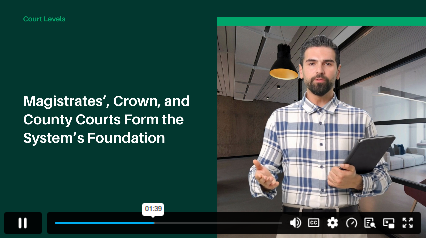
Develop a strong understanding of how the UK legal system operates by examining court structures, sources of law, legal professions and access to justice. This module provides the legal foundation needed to understand how paralegals support clients and legal practitioners.
Learn the core research and communication skills used throughout legal practice. This module explores legal research methods, analysing legislation and case law, drafting legal documents and producing professional legal correspondence with clarity and accuracy.
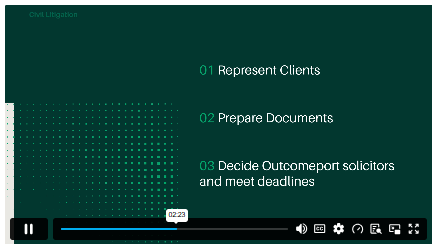
Gain an introduction to several major areas of legal practice where paralegals commonly work. You’ll explore civil litigation, conveyancing, family law, probate, corporate law and the practical legal support provided within each discipline.
Understand the ethical principles and professional standards expected within legal practice. This module examines confidentiality, client care, conflicts of interest, regulatory frameworks and the importance of integrity in maintaining professional trust.
Explore the organisational and administrative skills that underpin effective legal practice. You’ll examine case management, document organisation, client communication, legal technology and collaborative working within multidisciplinary legal teams.
Conclude the course by exploring professional development opportunities within the legal sector. This module examines recognised qualifications, employment pathways, networking opportunities, legal technology and the future direction of the paralegal profession.
FAQs
1. What does a paralegal do on a daily basis?
Paralegals support legal professionals by conducting research, preparing legal documents, organising case files, communicating with clients and assisting with administrative tasks. Their responsibilities vary depending on the area of law and the organisation they work for.
2. Can a paralegal represent clients in court?
In most circumstances, paralegals cannot carry out reserved legal activities or represent clients in the same way as solicitors or barristers. Their role is primarily to provide legal support under the appropriate professional framework.
3. What is the difference between a solicitor and a paralegal?
Solicitors are qualified legal professionals authorised to provide reserved legal services, while paralegals assist with legal work but generally do not hold the same practising rights. Both play important roles within legal teams.
4. Will this course teach legal research skills?
Yes. The curriculum covers legal research methods, using legal databases, understanding case law, interpreting legislation and locating reliable legal sources that support day-to-day legal work.
5. Why is confidentiality so important in paralegal practice?
Paralegals routinely handle sensitive legal and personal information. Maintaining confidentiality protects clients’ interests, supports professional ethics and helps organisations comply with legal and regulatory obligations.
6. Which areas of law are introduced in this course?
The course introduces several key practice areas, including civil litigation, conveyancing, property law, family law, probate, corporate law and commercial legal practice, providing a broad understanding of legal support work.
7. How is technology changing the role of paralegals?
Modern legal practice increasingly uses case management software, electronic filing, legal research databases, e-discovery platforms and cybersecurity measures. Understanding these technologies has become an important part of contemporary paralegal work.
8. Is knowledge of legal terminology important for paralegals?
Yes. Legal terminology allows paralegals to understand legislation, court procedures, contracts and legal correspondence accurately, improving communication within legal teams and with clients.
9. Can this course support progression into further legal study?
Yes. It provides foundational knowledge that may support learners who wish to pursue additional legal qualifications, paralegal certifications or further academic study within the legal sector.
10. Why are ethics and professional conduct emphasised throughout the course?
Legal professionals are expected to act with integrity, impartiality and accountability. Understanding ethical responsibilities, conflicts of interest and professional standards helps maintain public trust and supports the effective delivery of legal services.
Course Curriculum
| Certificate in Paralegal Practice | |||
| Module 1 Part 1 | 00:04:00 | ||
| Module 1 Part 2 | 00:03:00 | ||
| Module 2 Part 1 | 00:04:00 | ||
| Module 2 Part 2 | 00:03:00 | ||
| module 3 part 1 | 00:04:00 | ||
| Module 3 Part 2 | 00:06:00 | ||
| Module 4 Part 1 | 00:04:00 | ||
| module 4 part 2 | 00:05:00 | ||
| Module 5 Part 1 | 00:03:00 | ||
| Module 5 Part 2 | 00:05:00 | ||
| Module 6 Part 1 | 00:04:00 | ||
| Module 6 Part 2 | 00:03:00 | ||
| Module 7 Part 1 Certificate in Paralegal Practice$ | 00:04:00 | ||
| Module 7 Part 2 Certificate in Paralegal Practice | 00:03:00 | ||
SAVE 0% - OFFER ENDS SOON
- PRIVATE
- 1 year
- Intermediate
- Course Certificate
- 55 minutes
Buying more than one of the same courses?
- 50% discount for orders of 10+ courses
- 60% discount for orders of 50+ courses
- 70% discount for orders of 100+ courses
Looking for a more personalised package?
contact us nowInstructors


Food Hygiene
Health & Safety
Safeguarding
First Aid
Business Skills
Personal Development