Banksman Training for Logistics and Warehousing Staff

4.9 (18 REVIEWS)
123 STUDENTS

GET THIS COURSE AND 2500+ OTHERS FOR ONLY £49 FIND OUT MORE

Banksman Training for Logistics and Warehousing Staff is a practical safety course designed to teach workers how to safely direct vehicle movements, manage loading operations, and reduce workplace risks. It equips learners with the knowledge to use recognised banksman hand signals, communicate effectively with drivers, and maintain safe working environments in busy logistics settings.

Warehouses, distribution centres, and transport yards involve constant movement of HGVs, forklifts, and delivery vehicles. Without proper traffic management and trained banksmen, the risk of collisions, injuries, and costly incidents increases significantly. This course helps organisations promote safer operations while meeting workplace safety expectations.

Developed by qualified professionals, this CPD-accredited online course is beginner-friendly, self-paced, and accessible on any device. With interactive modules, tutor support, lifetime access, and an instant free CPD certificate, it provides an engaging learning experience that meets UK industry standards.

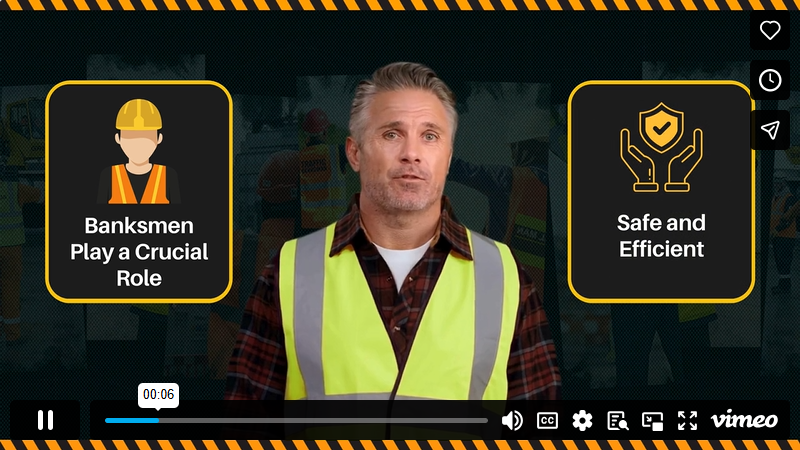
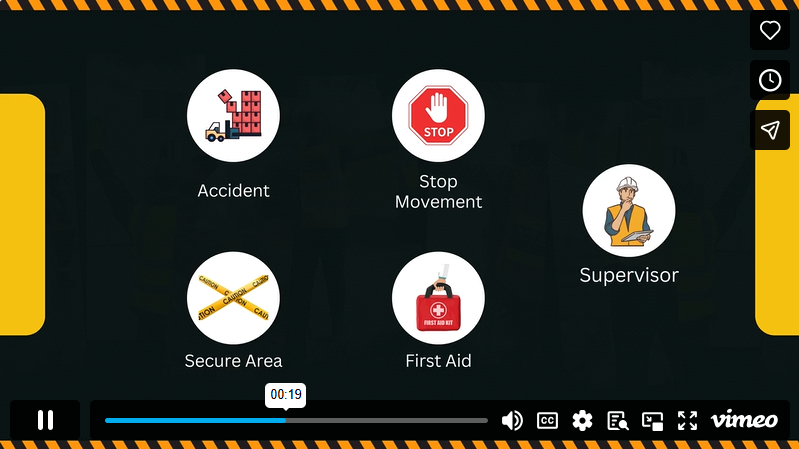
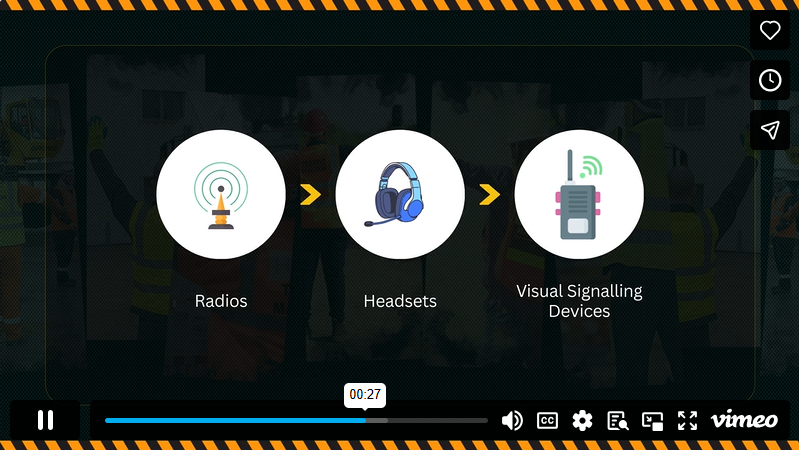
Sneak Peek

Learning Outcomes

By the end of this course, learners will have the confidence to safely guide vehicles and contribute to a safer logistics workplace.

  • Understand the duties and responsibilities of a banksman
  • Use recognised banksman hand signals correctly and confidently
  • Improve loading bay safety during vehicle manoeuvres
  • Identify hazards associated with moving vehicles and lifting equipment
  • Apply effective warehouse traffic management practices
  • Communicate clearly using verbal instructions and radio systems
  • Implement safe exclusion zones and worksite controls
  • Respond appropriately to incidents and follow reporting procedures

Certification

  • Instant digital certificate available upon completion
  • Printed certificate available for delivery (postal charges may apply)
  • Certification is recommended to be renewed every 3 years to stay updated
Training-Express-Certificate-CPD-QS-1-1

Accreditation

This course is fully accredited by CPD and endorsed by QLS, ensuring recognised standards of quality and learning.

Who Should Take This Course

This course is ideal for anyone involved in directing vehicles, managing loading operations, or working around moving equipment within logistics and warehousing environments.

  • Warehouse operatives
  • Banksmen and vehicle marshals
  • Forklift truck operators
  • Yard staff and loading bay personnel
  • Logistics supervisors and team leaders
  • Transport managers
  • Distribution centre employees
  • Contractors working around moving vehicles

Whether you are new to the role or looking to refresh your knowledge, this training provides practical skills that improve workplace safety and operational efficiency.

Why Take This Course

Safe vehicle guidance is essential in warehouses and logistics sites where pedestrians and heavy vehicles operate in close proximity. A trained banksman plays a vital role in preventing accidents, protecting colleagues, and maintaining efficient operations.

  • Reduce the risk of vehicle-related workplace accidents
  • Learn industry-recognised banksman hand signals
  • Improve loading bay and warehouse traffic safety
  • Strengthen communication between drivers and ground staff
  • Enhance confidence when coordinating vehicle movements
  • Support compliance with UK health and safety expectations
  • Gain a CPD-accredited qualification with instant certification
  • Study online at your own pace with lifetime access

Completing this course demonstrates a commitment to workplace safety and professional development, making you a valuable asset in logistics and warehousing operations.

Job Opportunities & Salary Expectations in the UK

This course can boost your employability in the UK logistics and warehousing sector by developing essential safety and vehicle marshalling skills valued by employers. 

  • Banksman / Vehicle Marshal – Average salary: £28,000 per year
  • Warehouse Operative – Average salary: £26,000 per year
  • Forklift Truck Operator – Average salary: £29,000 per year
  • Loading Bay Supervisor – Average salary: £33,000 per year
  • Yard Operative – Average salary: £27,000 per year
  • Logistics Coordinator – Average salary: £34,000 per year
  • Transport Supervisor – Average salary: £38,000 per year
  • Warehouse Manager – Average salary: £42,000 per year

While this course is often used as compliance training, it also supports career progression by strengthening safety knowledge and operational competence in logistics and warehousing roles.

Entry Requirements

No previous experience is necessary to enrol on this beginner-friendly course.

  • Minimum age of 16 years recommended
  • No formal qualifications required
  • Basic English reading and comprehension skills
  • Internet-connected device for online learning

Course Curriculum

The detailed curriculum outline of our Banksman Training for Logistics and Warehousing Staff is as follows:

  • Introduction

This opening module provides a comprehensive introduction to the banksman role within logistics and warehousing operations. Learners gain an understanding of why banksmen are essential for maintaining site safety, preventing incidents, and ensuring smooth vehicle movements. It also establishes the legal, operational, and communication principles that underpin effective traffic management.

Building on the fundamentals, this module explores the safe interaction between banksmen, lifting equipment, and moving vehicles. It focuses on recognising workplace hazards, maintaining situational awareness, and using clear communication techniques to guide drivers safely. Learners also develop a practical understanding of PPE and risk control measures.

This module concentrates on the day-to-day procedures that help maintain safe logistics operations. It explains how to establish controlled work zones, coordinate vehicle movements efficiently, and respond effectively to unexpected situations. Emphasis is placed on proactive planning, accurate reporting, and maintaining safe working practices throughout every operation.

The final module highlights the importance of creating a positive safety culture across logistics and warehousing environments. Learners examine human factors, communication challenges, and ongoing competency development while reinforcing the behaviours needed to prevent complacency. The course concludes by bringing together key principles that support safer, more efficient workplace operations.

  • Conclusion

FAQs

1. What is Banksman Training for Logistics and Warehousing Staff?

Banksman training teaches workers how to safely guide vehicles and equipment in busy operational areas. It covers communication methods, recognised hand signals, hazard awareness, and safe working procedures. The aim is to reduce accidents and improve coordination during vehicle movements.

2. Who should complete a banksman training course?

Anyone responsible for directing vehicles or working around moving machinery should complete this training. It is particularly valuable for warehouse staff, loading bay operatives, forklift drivers, supervisors, and transport personnel. Employers also use it to strengthen site safety culture.

3. Why are banksman hand signals important?

Standardised hand signals provide clear communication between banksmen and drivers when visibility is limited or verbal instructions cannot be heard. Correct signalling reduces misunderstandings and helps prevent collisions or injuries during manoeuvres.

4. What is the role of a banksman in warehouse traffic management?

A banksman coordinates vehicle movements to minimise risks to drivers, pedestrians, and nearby workers. They monitor hazards, maintain exclusion zones, and ensure vehicles move safely through busy warehouse environments. Their role is essential in reducing workplace incidents.

5. Does this course cover loading bay safety?

Yes. The training explains how to manage loading and unloading operations safely, establish secure work areas, and communicate effectively with drivers. It also highlights common hazards found around loading bays and practical ways to control them.

Although legislation may not always require a specific banksman qualification, employers have legal duties to provide adequate training and safe systems of work. Proper banksman training helps organisations meet their health and safety responsibilities and reduce operational risks.

7. Can beginners take this course?

Absolutely. The course is designed for learners with little or no previous experience and explains key concepts in an easy-to-understand format. It provides a strong foundation before progressing to practical workplace responsibilities.

8. What PPE should a banksman wear?

Typical personal protective equipment includes high-visibility clothing, safety footwear, hard hats where required, and gloves appropriate to the task. PPE should always be maintained correctly and used alongside safe working procedures rather than as a substitute for them.

9. How does banksman training improve logistics site safety?

Training helps workers identify hazards early, communicate effectively, and coordinate vehicle movements safely. By reducing confusion and promoting consistent procedures, it lowers the likelihood of collisions, injuries, and operational disruptions.

10. Will I receive a certificate after completing the course?

Yes. Upon successful completion, learners receive an instant CPD certificate demonstrating their understanding of banksman responsibilities and safe working practices. This can support compliance records and ongoing professional development.

Course Curriculum

Introduction
_Introduction 00:01:00
Module 1: Introduction to Banksman Roles and Responsibilities
1.1 What Is a Banksman Role Overview and Importance 00:01:00
1.2 Key Responsibilities in Logistics and Warehousing 00:01:00
1.3 Communication Essentials Signals and Verbal Instructions 00:01:00
1.4 Legal and Safety Responsibilities for Banksmen 00:01:00
Reading Materials
Module 1 00:00:00
Module 2: Safe Use of Lifting Equipment and Vehicles
2.1 Overview of Common Lifting Equipment in Warehousing 00:01:00
2.2 Spotting and Managing Risks Around Moving Vehicles 00:01:00
2.3 Signalling Techniques for Vehicle Guidance 00:01:00
2.4 Personal Protective Equipment (PPE) for Banksmen 00:01:00
Reading Materials
Module 2 00:00:00
Module 3: Practical Procedures and Best Practices
3.1 Setting Up Safe Work Zones and Exclusion Areas 00:01:00
3.2 Coordinating Vehicle Movements and Loads Safely 00:01:00
3.3 Responding to Emergencies and Incidents 00:01:00
3.4 Reporting Procedures and Documentation 00:01:00
Reading Materials
Module 3 00:00:00
Module 4: Enhancing Safety Culture and Continuous Improvement
4.1 Understanding Human Factors and Avoiding Complacency 00:01:00
4.2 Communication Challenges and Solutions in Busy Environments 00:01:00
4.3 Training, Competency, and Ongoing Development for Banksmen 00:01:00
4.4 Summary and Key Takeaways for Safe Operations 00:01:00
Reading Materials
Module 4 00:00:00
Conclusion
Conclusion 00:01:00
Banksman Training for Logistics and Warehousing Staff
ex Vat

SAVE 84% - OFFER ENDS SOON

TAKE THIS COURSE

OR

🔥 83 units sold in last 24 hours
  • Original price was: £125.00.Current price is: £20.00. ex Vat
  • 1 year
  • Course Certificate
  • 18 minutes
  • Gift this course
£20 /Unit Price
Total:
£100.00
Quantity:

Buying more than one of the same courses?

  • 50% discount for orders of 10+ courses
  • 60% discount for orders of 50+ courses
  • 70% discount for orders of 100+ courses

Looking for a more personalised package?

contact us now

Instructors

123 STUDENTS ENROLLED