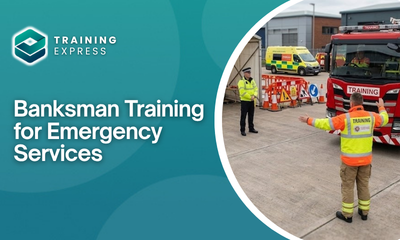
Banksman Training for Emergency Services

4.9 (18 REVIEWS)
136 STUDENTS

GET THIS COURSE AND 2500+ OTHERS FOR ONLY £49 FIND OUT MORE

Banksman Training for Emergency Services is designed to develop the essential skills required for safely guiding and controlling emergency vehicles in high-pressure environments. It focuses on safe vehicle marshalling, traffic management safety, and effective communication during critical operations. This training is vital for ensuring that fire, police, and ambulance vehicles operate safely in restricted or hazardous spaces.

Emergency services often operate in fast-moving, unpredictable conditions where visibility is limited and risks are significantly higher. A trained banksman plays a key role in preventing accidents, reducing operational delays, and supporting coordinated emergency response. Without proper guidance, vehicle movement in these environments can become extremely dangerous.

This course provides learners with practical knowledge of emergency vehicle control, site traffic safety, and risk awareness. It also strengthens understanding of legal responsibilities, hand signals, and multi-agency coordination to ensure safe and efficient operations.

Sneak Peek

Learning Outcomes

This course equips learners with the essential knowledge and skills required for safe emergency vehicle movement and control.

  • Understand the role and responsibilities of a banksman in emergency services
  • Identify risks associated with emergency vehicle manoeuvring
  • Apply UK health and safety legislation in operational environments
  • Use correct hand signals and communication methods effectively
  • Control and secure high-risk vehicle movement areas
  • Recognise blind spots and environmental hazards
  • Respond safely to emergency and multi-agency scenarios
  • Maintain safety standards through reporting and incident learning

Certification

  • Instant digital certificate available upon completion
  • Printed certificate available for delivery (postal charges may apply)
  • Certification is recommended to be renewed every 3 years to stay updated
Training-Express-Certificate-CPD-QS-1-1

Accreditation

This course is fully accredited by CPD and endorsed by QLS, ensuring recognised standards of quality and learning.

Who Should Take This Course

This training is essential for individuals involved in emergency response operations or those responsible for guiding and controlling vehicles in high-risk environments.

  • Fire service personnel and station operators
  • Ambulance crew and emergency medical staff
  • Police officers involved in traffic or scene control
  • Traffic management and site safety personnel
  • Emergency vehicle drivers and support staff

Anyone responsible for directing vehicle movement in emergency situations will benefit from this course. It improves coordination, reduces risk, and enhances operational safety in critical environments.

Why Take This Course

Emergency vehicle movement requires precision, awareness, and clear communication, especially in high-pressure situations where seconds matter. Without proper banksman guidance, the risk of collisions, injuries, and operational failure increases significantly.

  • Reduces risk of accidents during emergency vehicle operations
  • Improves coordination between multi-agency response teams
  • Ensures compliance with UK safety legislation and workplace standards
  • Enhances communication through standardised hand signals and protocols
  • Builds confidence in high-pressure, fast-moving environments

By completing this training, learners contribute directly to safer emergency operations and more efficient incident response outcomes.

Job Opportunities & Salary Expectations in the UK

Banksman and traffic control skills are highly valuable across emergency services and safety-critical industries in the UK.

  • Emergency Vehicle Banksman – £24,000 to £35,000 per year
  • Traffic Management Operative – £22,000 to £32,000 per year
  • Fire Service Support Operative – £28,000 to £42,000 per year
  • Ambulance Service Logistics Assistant – £25,000 to £38,000 per year
  • Police Traffic Control Officer – £27,000 to £45,000 per year
  • Site Safety Coordinator – £30,000 to £50,000 per year
  • Emergency Response Technician – £26,000 to £40,000 per year
  • Construction Banksman – £23,000 to £35,000 per year

This qualification enhances employability in both public safety and high-risk operational environments.

Entry Requirements

This course is suitable for beginners and professionals working in emergency or traffic control roles.

  • No formal qualifications required
  • Basic English communication skills recommended
  • Suitable for emergency and support service workers
  • Access to online learning platform required

Course Curriculum

The detailed curriculum outline of our Banksman Training for Emergency Services is as follows:

This module introduces the core role of a banksman within emergency services, explaining how they support safe vehicle movement during critical operations. It explores the risks associated with emergency manoeuvring and highlights key legal responsibilities under UK safety legislation. Learners also gain an understanding of why banksman training is essential for reducing incidents and improving operational coordination.

This section focuses on practical safety techniques used in emergency environments, including hazard recognition and communication methods. It teaches learners how to use hand signals effectively and control manoeuvring areas to ensure safe vehicle movement. The module also covers high-risk scenarios such as poor visibility, public interference, and emergency pressure situations.

This module develops awareness of incident reporting procedures and how to respond appropriately in emergency situations. It highlights the importance of clear communication, teamwork, and supporting drivers under pressure. Learners also explore multi-agency coordination and how to use incident feedback to improve future safety performance.

This final module focuses on long-term safety behaviour, including ongoing training, accountability, and professional conduct. It explains the importance of PPE, visibility, and maintaining high standards in public-facing roles. Learners also understand how consistent safety practices contribute to a strong safety culture within emergency services.

  • Course Conclusion

FAQs

1. What is Banksman Training for Emergency Services?

Banksman Training for Emergency Services teaches individuals how to safely guide and control emergency vehicles in high-risk environments. It focuses on communication, safety awareness, and vehicle movement control. The aim is to reduce accidents and improve coordination. It is essential for emergency response operations.

2. Why is banksman training important for emergency services?

Emergency situations often involve tight spaces, poor visibility, and urgent movement. Banksman training ensures safe navigation of vehicles like fire engines and ambulances. It helps prevent collisions and operational delays. This makes emergency response more efficient and safe.

3. Who needs banksman training in emergency services?

Anyone involved in directing or supporting emergency vehicle movement should take this training. This includes fire, police, ambulance, and traffic control staff. It is also useful for site safety personnel. Proper training ensures safe coordination during incidents.

4. What risks are involved in emergency vehicle movement?

Risks include limited visibility, crowded scenes, and unpredictable public movement. Emergency vehicles are often large and difficult to manoeuvre in tight spaces. Without guidance, accidents can easily occur. Banksmen help reduce these risks significantly.

5. What skills are taught in banksman training?

The course teaches hand signals, hazard recognition, communication techniques, and traffic control skills. It also covers legal responsibilities and emergency procedures. Learners gain practical safety awareness. These skills are essential in real emergency situations.

While not always legally mandatory, it is strongly recommended under UK health and safety guidance. Employers must ensure safe vehicle operations. Proper training helps meet compliance standards. It also reduces workplace liability.

7. What vehicles do banksmen guide in emergency services?

Banksmen guide fire engines, ambulances, police vehicles, and rescue equipment. These vehicles often operate in confined or hazardous areas. Safe guidance ensures smooth movement. It prevents accidents during critical operations.

8. How does communication work in banksman operations?

Communication is usually done through hand signals, radios, or visual contact. Clear and consistent communication is essential for safety. It ensures drivers understand instructions quickly. This reduces confusion in emergency situations.

9. What PPE is required for banksman roles?

High-visibility clothing is essential for visibility in busy environments. Gloves and communication devices may also be required. PPE helps protect workers from site hazards. It ensures safety during vehicle guidance operations.

10. Can this training improve emergency response efficiency?

Yes, trained banksmen improve coordination and reduce delays during emergencies. They help guide vehicles safely and efficiently through complex environments. This ensures faster response times. It directly supports life-saving operations.

Course Curriculum

Module 1: INTRODUCTION TO BANKSMAN DUTIES
Introduction Banksman Training for Emergency Services 00:01:00
1.1 What is a Banksman 00:01:00
1.2 Risks and Hazards in Emergency Manoeuvring 00:01:00
1.3 Legal and Operational Responsibilities 00:01:00
1.4 Importance of Banksman Training 00:01:00
Reading Materials
module 1 00:00:00
Module 2: SAFE PRACTICES AND PREVENTION
2.1 Recognising Vehicle Hazards 00:01:00
2.2 Effective Communication and Hand Signals 00:01:00
2.3 Controlling the Manoeuvring Area 00:01:00
2.4 High-Risk Scenario Awareness 00:01:00
Reading Materials
module 2 00:00:00
Module 3: RESPONDING TO INCIDENTS AND NEAR MISSES
3.1 Incident Reporting Procedures 00:01:00
3.2 Supporting Colleagues and Drivers 00:01:00
3.3 Working with Multi-Agency Teams 00:01:00
3.4 Learning from Incidents 00:01:00
Reading Materials
module 3 00:00:00
Module 4: MAINTAINING A SAFETY-FIRST CULTURE
4.1 Ongoing Training and Skills Refreshers 00:01:00
4.2 Promoting Personal Accountability 00:01:00
4.3 Visibility and Use of PPE 00:01:00
4.4 Professional Conduct in Public Settings 00:01:00
Reading Materials
module 4 00:00:00
Course Conclusion
Course Conclusion – Banksman Training for Emergency Services 00:01:00
Banksman Training for Emergency Services
ex Vat

SAVE 84% - OFFER ENDS SOON

TAKE THIS COURSE

OR

🔥 129 units sold in last 24 hours
  • Original price was: £125.00.Current price is: £20.00. ex Vat
  • 1 year
  • Course Certificate
  • 18 minutes
  • Gift this course
£20 /Unit Price
Total:
£100.00
Quantity:

Buying more than one of the same courses?

  • 50% discount for orders of 10+ courses
  • 60% discount for orders of 50+ courses
  • 70% discount for orders of 100+ courses

Looking for a more personalised package?

contact us now

Instructors

136 STUDENTS ENROLLED