Al in Internal Communications and Team Collaboration

(0 REVIEWS)
3 STUDENTS

GET THIS COURSE AND 2500+ OTHERS FOR ONLY £49 FIND OUT MORE

In the evolving digital workspace, internal communication and team collaboration have taken on an entirely new dimension—one that AI is not merely influencing but actively shaping. This course, AI in Internal Communications and Team Collaboration, explores the intelligent systems transforming how teams connect, share, manage, and evolve together. From automated task management to sentiment analysis, AI is becoming an indispensable partner in keeping teams aligned, productive, and motivated.

Designed for forward-thinking professionals, this course dives into the strategic integration of AI tools that optimise communication channels, personalise employee engagement, analyse feedback, and anticipate team dynamics. With a close look at predictive analytics, AI-driven conflict resolution, virtual assistants, and ethical considerations, this course balances innovation with insight. Whether you’re looking to improve communication flow or reimagine team performance strategies, you’ll find relevant, SEO-friendly insights that match the pace of today’s AI-powered workplaces.

Sneak Peek

Learning Outcomes

  • Understand AI applications in team communication and collaboration environments.
  • Evaluate benefits and challenges of AI integration across team structures
  • Apply AI tools for optimising feedback and sentiment interpretation.
  • Explore predictive analytics for team performance and crisis response.
  • Identify ethical considerations in AI communication and data usage.
  • Analyse case studies on AI-driven employee engagement and messaging.

Who is this Course For

  • Internal communications professionals improving message delivery with AI.
  • Team leaders seeking data-driven collaboration improvements.
  • HR managers managing engagement, feedback, and sentiment through AI.
  • Organisational development specialists interested in AI-led transformation.
  • Business analysts exploring AI’s impact on decision-making strategies.
  • Digital transformation consultants focusing on workplace innovation.
  • Project managers using AI for resource allocation and communication.
  • Senior executives aligning company culture with AI communication tools.

Certification

Once you’ve successfully completed your course, you will immediately be sent a digital certificate. Also, you can have your printed certificate delivered by post (shipping cost £5.99). All of our courses are fully accredited, providing you with up-to-date skills and knowledge and helping you to become more competent and effective in your chosen field. Our certifications have no expiry dates, although we do recommend that you renew them every 12 months.

Accreditation

All of our courses, including this Al in Internal Communications and Team Collaboration, are fully accredited, providing you with up-to-date skills and knowledge and helping you to become more competent and effective in your chosen field.

Career Path

  • Internal Communications Manager – £48,000 per year
  • Digital Workplace Consultant – £52,000 per year
  • HR Data Analyst – £42,000 per year
  • AI Integration Specialist – £58,000 per year
  • Organisational Development Manager – £55,000 per year
  • Team Collaboration Strategist – £50,000 per year

Course Curriculum

The detailed curriculum outline of our Al in Internal Communications and Team Collaboration is as follows:

  •  Unit 1: AI improves team collaboration by automating tasks and providing data-driven insights 
  •  Unit 2: Benefits and Challenges of AI Integration 
  •  Unit 3: AI’s Role in Enhancing Team Connectivity 
  •  Unit 4: Real-World Examples of AI in Communications 
  •  Unit 5: Future Trends in AI for Internal Communications 
  •  Unit 6: AI Tools for Collaboration 
  •  Unit 7: Virtual Workforce Optimization with AI 
  •  Unit 8: AI-driven Project Management Solutions 
  •  Unit 9: Improving Decision-Making with AI Insights 
  •  Unit 10: Case Studies on AI-enhanced Team Collaboration 
  •  Unit 11: Data Insights for Communication Strategies 
  •  Unit 12: AI-driven Data Interpretation Tools 
  •  Unit 13: Visualizations for Communication Impact 
  •  Unit 14: Real-Life Data Analytics Examples 
  •  Unit 15: Privacy and Security Considerations in AI Data Analytics 
  •  Unit 16: Feedback Loops in Internal Communication 
  •  Unit 17: AI for Employee Feedback Analysis 
  •  Unit 18: Automating Feedback Processes with AI 
  •  Unit 19: Sentiment Analysis in Employee Surveys 
  •  Unit 20: Case Studies on Improved Feedback Systems 
  •  Unit 21: Personalized Communication with AI 
  •  Unit 22: AI Applications in Tailored Messaging 
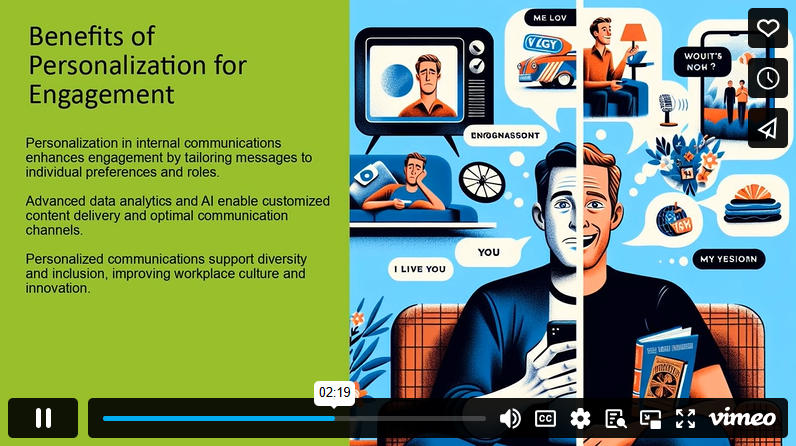
  •  Unit 23: Benefits of Personalization for Engagement 
  •  Unit 24: Implementing AI for Internal Content Personalization 
  •  Unit 25: Success Stories of AI-driven Personalized Messaging 
  •  Unit 26: AI for Employee Recognition Programs 
  •  Unit 27: Enhancing Engagement through AI Chatbots 
  •  Unit 28: Employee Well-being Monitoring with AI 
  •  Unit 29: Personal Development Recommendations via AI 
  •  Unit 30: Examples of Improved Engagement with AI 
  •  Unit 31: Role of Virtual Assistants in Teams 
  •  Unit 32: Virtual Assistants for Task Management 
  •  Unit 33: AI Chatbots in Internal Helpdesks 
  •  Unit 34: Enhancing Team Productivity with AI Assistants 
  •  Unit 34: Enhancing Team Productivity with AI Assistants 
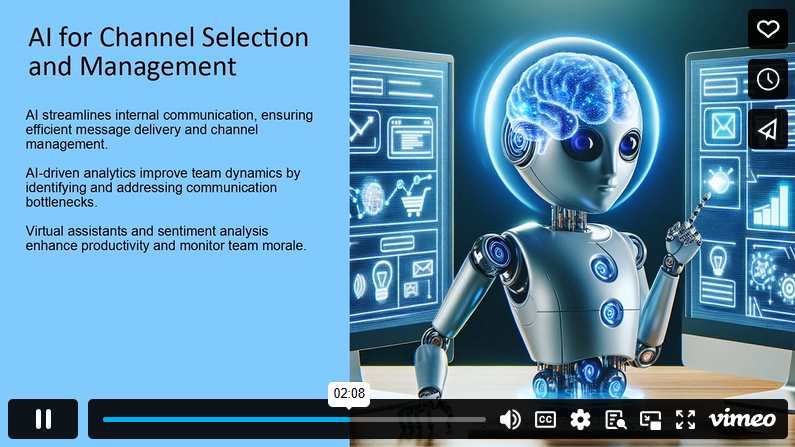
  •  Unit 36: AI for Channel Selection and Management 
  •  Unit 37: Improving Communication Reach through AI 
  •  Unit 38: Enhancing Message Clarity with AI 
  •  Unit 39: AI’s Role in Channel Performance Analytics 
  •  Unit 40: Case Studies on AI-Optimized Communication Channels 
  •  Unit 41: Understanding Emotional Intelligence in Teams 
  •  Unit 42: AI Tools for Emotional Intelligence Enhancement 
  •  Unit 43: Recognizing Emotional Patterns with AI 
  •  Unit 44: Cultural Sensitivity in AI-driven Interactions 
  •  Unit 45: Real-Life Examples of AI and Emotional Intelligence Integration 
  •  Unit 46: Performance Metrics Tracking with AI 
  •  Unit 47: AI for Continuous Performance Evaluation 
  •  Unit 48: Feedback Generation using AI Algorithms 
  •  Unit 49: Individualized Performance Improvement Plans 
  •  Unit 50: Case Studies on AI-driven Performance Monitoring 
  •  Unit 51: Knowledge Sharing Optimization with AI 
  •  Unit 52: Repositories and Access Control with AI 
  •  Unit 53: AI Search Algorithms for Internal Knowledge 
  •  Unit 54: Enhancing Decision-Making through AI Knowledge Systems 
  •  Unit 55: Real-Life Implementations of AI in Knowledge Management 
  •  Unit 56: Identifying Conflict Triggers with AI 
  •  Unit 57: AI-driven Conflict Resolution Strategies 
  •  Unit 58: Machine Learning in Conflict Management 
  •  Unit 59: Preventing Future Conflicts with AI Insights 
  •  Unit 60: Case Studies on AI-enabled Conflict Resolution 
  •  Unit 61: AI for Diverse Team Building 
  •  Unit 62: Bias Detection in Recruitment with AI 
  •  Unit 63: Inclusive Language Recommendations through AI 
  •  Unit 64: Driving Cultural Awareness with AI Tools 
  •  Unit 65: Real-Life Cases of AI Supporting Diversity and Inclusion 
  •  Unit 66: AI Predictive Analytics for Team Performance 
  •  Unit 67: Forecasting Team Success with AI Models 
  •  Unit 68: Risk Assessment through AI Prediction 
  •  Unit 69: Implementing Predictive Models in Team Management 
  •  Unit 70: Success Stories of AI-driven Performance Predictions 
  •  Unit 71: Ethical AI Usage in Internal Communication 
  •  Unit 72: Bias Detection and Mitigation in AI Algorithms 
  •  Unit 73: Transparency in AI Decision Support 
  •  Unit 74: AI’s Role in Maintaining Organizational Values 
  •  Unit 75: Case Studies on Ethical Challenges and Solutions in AI Communications 
  •  Unit 76: Time Optimization Strategies with AI 
  •  Unit 77: AI Tools for Task Prioritization 
  •  Unit 78: Enhancing Work-Life Balance through AI 
  •  Unit 79: AI Techniques for Productivity Improvement 
  •  Unit 80: Real-Life Applications of AI in Time Management 
  •  Unit 81: Effective Leadership with AI Support 
  •  Unit 82: Personalized Leadership Communication 
  •  Unit 83: Data-driven Decision-Making with AI Insights 
  •  Unit 84: Feedback Analysis for Leadership Development 
  •  Unit 85: Leadership Case Studies with AI Integration 
  •  Unit 86: Behavioral Analysis using AI Algorithms 
  •  Unit 87: Predicting Team Behavior with AI 
  •  Unit 88: AI Recommendations for Behavior Modification 
  •  Unit 89: Monitoring Employee Well-being with AI 
  •  Unit 90: Real-Life Examples of Predictive Behavior Analysis using AI 
  •  Unit 91: Crisis Response Planning with AI 
  •  Unit 92: Communication Strategies during Crisis Situations 
  •  Unit 93: AI Risk Assessment Models for Crisis Management 
  •  Unit 94: Real-Time Crisis Communication with AI 
  •  Unit 95: Case Studies on AI-enabled Crisis Management Scenarios 
  •  Unit 96: AI Trends Shaping Future Leadership 
  •  Unit 97: The Role of AI in Organizational Cultures 
  •  Unit 98: AI and Team Dynamics Transformation 
  •  Unit 99: Challenges and Opportunities in AI-led Leadership 
  •  Unit 100: Final Reflections on AI’s Influence on Internal Communications and Team Collaboration 

Course Curriculum

Al in Internal Communications and Team Collaboration
Unit 1: AI improves team collaboration by automating tasks and providing data-driven insights 00:03:00
Unit 2: Benefits and Challenges of AI Integration 00:03:00
Unit 3: AI’s Role in Enhancing Team Connectivity 00:03:00
Unit 4: Real-World Examples of AI in Communications 00:03:00
Unit 5: Future Trends in AI for Internal Communications 00:04:00
Unit 6: AI Tools for Collaboration 00:03:00
Unit 7: Virtual Workforce Optimization with AI 00:03:00
Unit 8: AI-driven Project Management Solutions 00:03:00
Unit 9: Improving Decision-Making with AI Insights 00:04:00
Unit 10: Case Studies on AI-enhanced Team Collaboration 00:03:00
Unit 11: Data Insights for Communication Strategies 00:03:00
Unit 12: AI-driven Data Interpretation Tools 00:03:00
Unit 13: Visualizations for Communication Impact 00:03:00
Unit 14: Real-Life Data Analytics Examples 00:03:00
Unit 15: Privacy and Security Considerations in AI Data Analytics 00:04:00
Unit 16: Feedback Loops in Internal Communication 00:03:00
Unit 17: AI for Employee Feedback Analysis 00:03:00
Unit 18: Automating Feedback Processes with AI 00:03:00
Unit 19: Sentiment Analysis in Employee Surveys 00:02:00
Unit 20: Case Studies on Improved Feedback Systems 00:03:00
Unit 21: Personalized Communication with AI 00:04:00
Unit 22: AI Applications in Tailored Messaging 00:03:00
Unit 23: Benefits of Personalization for Engagement 00:04:00
Unit 24: Implementing AI for Internal Content Personalization 00:03:00
Unit 25: Success Stories of AI-driven Personalized Messaging 00:03:00
Unit 26: AI for Employee Recognition Programs 00:03:00
Unit 27: Enhancing Engagement through AI Chatbots 00:03:00
Unit 28: Employee Well-being Monitoring with AI 00:03:00
Unit 29: Personal Development Recommendations via AI 00:03:00
Unit 30: Examples of Improved Engagement with AI 00:03:00
Unit 31: Role of Virtual Assistants in Teams 00:03:00
Unit 32: Virtual Assistants for Task Management 00:03:00
Unit 33: AI Chatbots in Internal Helpdesks 00:03:00
Unit 34: Enhancing Team Productivity with AI Assistants 00:03:00
Unit 36: AI for Channel Selection and Management 00:03:00
Unit 37: Improving Communication Reach through AI 00:03:00
Unit 38: Enhancing Message Clarity with AI 00:03:00
Unit 39: AI’s Role in Channel Performance Analytics 00:03:00
Unit 40: Case Studies on AI-Optimized Communication Channels 00:03:00
Unit 41: Understanding Emotional Intelligence in Teams 00:02:00
Unit 42: AI Tools for Emotional Intelligence Enhancement 00:03:00
Unit 43: Recognizing Emotional Patterns with AI 00:03:00
Unit 44: Cultural Sensitivity in AI-driven Interactions 00:03:00
Unit 45: Real-Life Examples of AI and Emotional Intelligence Integration 00:02:00
Unit 46: Performance Metrics Tracking with AI 00:03:00
Unit 47: AI for Continuous Performance Evaluation 00:14:00
Unit 48: Feedback Generation using AI Algorithms 00:03:00
Unit 49: Individualized Performance Improvement Plans 00:03:00
Unit 50: Case Studies on AI-driven Performance Monitoring 00:03:00
Unit 51: Knowledge Sharing Optimization with AI 00:03:00
Unit 52: Repositories and Access Control with AI 00:03:00
Unit 53: AI Search Algorithms for Internal Knowledge 00:03:00
Unit 54: Enhancing Decision-Making through AI Knowledge Systems 00:03:00
Unit 55: Real-Life Implementations of AI in Knowledge Management 00:03:00
Unit 56: Identifying Conflict Triggers with AI 00:03:00
Unit 57: AI-driven Conflict Resolution Strategies 00:03:00
Unit 58: Machine Learning in Conflict Management 00:03:00
Unit 59: Preventing Future Conflicts with AI Insights 00:03:00
Unit 60: Case Studies on AI-enabled Conflict Resolution 00:03:00
Unit 61: AI for Diverse Team Building 00:03:00
Unit 62: Bias Detection in Recruitment with AI 00:03:00
Unit 63: Inclusive Language Recommendations through AI 00:04:00
Unit 64: Driving Cultural Awareness with AI Tools 00:03:00
Unit 65: Real-Life Cases of AI Supporting Diversity and Inclusion 00:03:00
Unit 66: AI Predictive Analytics for Team Performance 00:03:00
Unit 67: Forecasting Team Success with AI Models 00:03:00
Unit 68: Risk Assessment through AI Prediction 00:03:00
Unit 69: Implementing Predictive Models in Team Management 00:04:00
Unit 70: Success Stories of AI-driven Performance Predictions 00:03:00
Unit 71: Ethical AI Usage in Internal Communication 00:03:00
Unit 72: Bias Detection and Mitigation in AI Algorithms 00:03:00
Unit 73: Transparency in AI Decision Support 00:03:00
Unit 74: AI’s Role in Maintaining Organizational Values 00:04:00
Unit 75: Case Studies on Ethical Challenges and Solutions in AI Communications 00:03:00
Unit 76: Time Optimization Strategies with AI 00:03:00
Unit 77: AI Tools for Task Prioritization 00:03:00
Unit 78: Enhancing Work-Life Balance through AI 00:03:00
Unit 79: AI Techniques for Productivity Improvement 00:03:00
Unit 80: Real-Life Applications of AI in Time Management 00:03:00
Unit 81: Effective Leadership with AI Support 00:03:00
Unit 82: Personalized Leadership Communication 00:03:00
Unit 83: Data-driven Decision-Making with AI Insights 00:03:00
Unit 84: Feedback Analysis for Leadership Development 00:04:00
Unit 85: Leadership Case Studies with AI Integration 00:03:00
Unit 86: Behavioral Analysis using AI Algorithms 00:03:00
Unit 87: Predicting Team Behavior with AI 00:03:00
Unit 88: AI Recommendations for Behavior Modification 00:03:00
Unit 89: Monitoring Employee Well-being with AI 00:03:00
Unit 90: Real-Life Examples of Predictive Behavior Analysis using AI 00:03:00
Unit 91: Crisis Response Planning with AI 00:03:00
Unit 92: Communication Strategies during Crisis Situations 00:04:00
Unit 93: AI Risk Assessment Models for Crisis Management 00:03:00
Unit 94: Real-Time Crisis Communication with AI 00:03:00
Unit 95: Case Studies on AI-enabled Crisis Management Scenarios 00:03:00
Unit 96: AI Trends Shaping Future Leadership 00:03:00
Unit 97: The Role of AI in Organizational Cultures 00:03:00
Unit 98: AI and Team Dynamics Transformation 00:03:00
Unit 99: Challenges and Opportunities in AI-led Leadership 00:03:00
Unit 100: Final Reflections on AI’s Influence on Internal Communications and Team Collaboration 00:03:00
Al in Internal Communications and Team Collaboration
ex Vat

SAVE 84% - OFFER ENDS SOON

TAKE THIS COURSE
  • Original price was: £125.00.Current price is: £20.00. ex Vat
  • 1 year
  • Course Certificate
  • 5 hours, 18 minutes
  • Gift this course
£20 /Unit Price
Total:
£100.00
Quantity:

Buying more than one of the same courses?

  • 50% discount for orders of 10+ courses
  • 60% discount for orders of 50+ courses
  • 70% discount for orders of 100+ courses

Looking for a more personalised package?

contact us now

Instructors

3 STUDENTS ENROLLED