Food Hygiene
 Health & Safety
 Safeguarding
 First Aid
 Business Skills
 Personal Development
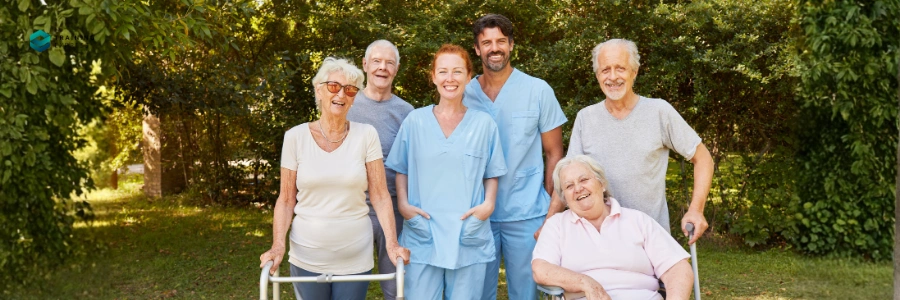

The Care Certificate is a mandatory induction programme for new health and social care workers in the UK. It ensures staff have the essential knowledge, skills, and behaviours needed to deliver safe, compassionate, and person-centred care.
It includes 16 standards, covering everything from safeguarding and communication to infection control and autism awareness. Learners are required to demonstrate understanding through written answers and real workplace evidence.
This guide provides clear explanations, example answers, and assessor tips for all 16 standards, helping you complete your Care Certificate confidently and correctly.
Table of Contents
What is the Care Certificate?
The Care Certificate is a set of nationally recognised standards developed by Skills for Care, Health Education England, and Skills for Health.
It is mainly for:
- Healthcare assistants
- Support workers
- Adult social care staff
- New care workers in induction
Its purpose is to ensure all care workers meet a consistent level of competence before working independently.
Why Care Certificate Answers Matter

Care Certificate answers are not about memorisation. They show your assessor that you understand how to apply knowledge in real care settings.
Good answers help you:
- Meet assessment criteria easily
- Demonstrate workplace competence
- Link theory to real-life care practice
- Pass your induction confidently
- Build professional confidence
How to Pass the Care Certificate Quickly
To pass the Care Certificate quickly, you must demonstrate real workplace understanding rather than memorising answers. Use practical examples, follow workplace policies, and structure responses clearly. Regular feedback from your supervisor also helps ensure your answers meet assessment standards and improves your chances of passing first time.
Key steps:
- Use real workplace examples
- Follow your organisation’s policies and procedures
- Structure answers using Point–Evidence–Explanation (PEE)
- Avoid copying generic templates
Ask for regular supervisor feedback.
Care Certificate Answers: Standard 1 – 16 (Complete Breakdown)
The Care Certificate is made up of 16 essential standards that form the foundation of safe, effective, and person-centred care in the UK. Each standard focuses on a specific area of knowledge, behaviour, and skill that care workers must demonstrate in real workplace settings.
Below, you will find detailed explanations, key learning outcomes, example answers, and assessor tips for each standard to help you complete your Care Certificate confidently and correctly.
Care Certificate Standard 1: Understand Your Role

Standard 1 helps you understand your responsibilities as a care worker and how your role contributes to the wider care team. It ensures you know your boundaries, duties, and expectations so you can deliver safe and consistent support.
Key Learning Outcomes
- Understand job role, responsibilities, and limits
- Follow workplace policies and procedures
- Work effectively as part of a care team
- Know when and how to seek guidance
Example Answers
- “My role is to support individuals with daily living tasks while maintaining dignity and respect.”
- “I follow care plans and report any concerns to my supervisor immediately.”
- “I work within my job description and ask for support when needed.”
Practical Tips for Assessors
- Include a real example of teamwork or supervision
- Link answers to your workplace policies
- Show understanding of boundaries clearly
Care Certificate Standard 2: Personal Development

Standard 2 focuses on your continuous learning and professional growth. It ensures you actively improve your skills through feedback, reflection, and training.
Key Learning Outcomes
- Understand importance of continuous learning
- Create and update a Personal Development Plan (PDP)
- Use supervision and feedback effectively
- Set realistic goals for improvement
Example Answers
- “I update my PDP after supervision meetings.”
- “Feedback helps me improve my communication and care skills.”
- “I attend training sessions to improve my knowledge.”
Practical Tips for Assessors
- Mention specific training you have completed
- Show reflection on feedback received
- Include measurable goals
Care Certificate Standard 3: Duty of Care

Standard 3 explains your responsibility to act safely and protect individuals from harm. It also involves managing dilemmas and reporting concerns.
Key Learning Outcomes
- Understand duty of care responsibilities
- Recognise risks and dilemmas
- Report concerns appropriately
- Follow safeguarding and workplace policies
Example Answers
- “I report any unsafe practice immediately to protect individuals.”
- “If someone refuses care, I respect their choice but explain risks.”
- “I always follow risk assessments before providing support.”
Practical Tips for Assessors
- Include a real situation involving risk or refusal of care
- Show how you prioritise safety
- Reference workplace procedures
Care Certificate Standard 4: Equality, Diversity and Inclusion

This standard ensures everyone receives fair, respectful, and inclusive care regardless of background or identity.
Key Learning Outcomes
- Understand equality and diversity principles
- Challenge discrimination appropriately
- Respect cultural and personal differences
- Promote inclusive care practice
Example Answers
- “I adapt care to meet cultural and religious needs.”
- “I treat everyone fairly and without judgement.”
- “I report any discriminatory behaviour immediately.”
Practical Tips for Assessors
- Provide a real inclusion example
- Show awareness of equality policies
- Use respectful and professional language
Care Certificate Standard 5: Work in a Person-Centred Way

This standard focuses on treating individuals as unique people with their own preferences, choices, and needs.
Key Learning Outcomes
- Understand person-centred values
- Support individual choice and independence
- Involve people in care planning
- Respect dignity and preferences
Example Answers
- “I always ask how someone prefers to be supported.”
- “I include personal preferences in care delivery.”
- “I support independence wherever possible.”
Practical Tips for Assessors
- Use real care examples
- Avoid generic statements
- Show respect for individual choice
Care Certificate Standard 6: Communication

Communication is central to effective care. This standard focuses on listening, understanding, and sharing information clearly.
Key Learning Outcomes
- Use verbal and non-verbal communication
- Overcome communication barriers
- Use active listening skills
- Record information accurately
Example Answers
- “I use simple language to explain care tasks.”
- “I adapt communication for hearing or cognitive needs.”
- “I ensure records are accurate and up to date.”
Practical Tips for Assessors
- Include real communication challenges
- Show adaptability
- Highlight teamwork through clear records
Care Certificate Standard 7: Privacy and Dignity

This standard ensures individuals are treated with respect, privacy, and dignity at all times.
Key Learning Outcomes
- Maintain privacy during care
- Respect confidentiality
- Support independence
- Protect personal dignity
Example Answers
- “I always knock before entering a room.”
- “I ensure curtains are closed during personal care.”
- “I only share information with authorised staff.”
Practical Tips for Assessors
- Mention daily respectful actions
- Reference confidentiality policies
- Focus on dignity in practice
Care Certificate Standard 8: Fluids and Nutrition

This standard focuses on supporting safe eating and drinking to maintain health and wellbeing.
Key Learning Outcomes
- Understand importance of hydration and nutrition
- Monitor intake safely
- Recognise signs of malnutrition or dehydration
- Follow dietary plans
Example Answers
- “I encourage regular fluid intake throughout the day.”
- “I record food and fluid charts accurately.”
- “I report any changes in appetite immediately.”
Practical Tips for Assessors
- Include monitoring examples
- Mention care documentation
- Show awareness of health risks
Care Certificate Standard 9: Mental Health, Dementia and Learning Disabilities

This standard promotes understanding and compassionate care for individuals with different cognitive or mental health needs.
Key Learning Outcomes
- Recognise mental health conditions
- Support individuals with empathy
- Promote inclusion and wellbeing
- Report behavioural changes
Example Answers
- “I remain calm and patient when supporting individuals with dementia.”
- “I report changes in behaviour to my supervisor.”
- “I focus on abilities rather than limitations.”
Practical Tips for Assessors
- Show empathy in examples
- Include real support strategies
- Highlight early intervention
Care Certificate Standard 10: Safeguarding Adults

This standard focuses on protecting vulnerable adults from abuse, harm, or neglect.
Key Learning Outcomes
- Identify types of abuse
- Report safeguarding concerns
- Follow safeguarding procedures
- Promote safety and dignity
Example Answers
- “I report any concerns immediately following safeguarding policy.”
- “I document incidents accurately and clearly.”
- “I act quickly to protect individuals from harm.”
Practical Tips for Assessors
- Mention reporting procedures
- Include safeguarding examples
- Refer to Care Act 2014
Care Certificate Standard 11: Safeguarding Children

This standard ensures awareness of child protection responsibilities.
Key Learning Outcomes
- Identify signs of abuse or neglect
- Follow child protection procedures
- Report concerns appropriately
- Maintain confidentiality
Example Answers
- “I report concerns to the safeguarding lead immediately.”
- “I record any observations accurately.”
- “I follow correct reporting channels.”
Practical Tips for Assessors
- Mention reporting structure
- Reference safeguarding policies
- Be accurate and factual
Care Certificate Standard 12: Basic Life Support
This standard covers emergency response, CPR, and AED use.
Key Learning Outcomes
- Respond to emergencies quickly
- Perform CPR safely
- Use AED correctly
- Follow emergency procedures
Example Answers
- “I call for help and begin CPR if required.”
- “I stay calm and follow emergency procedures.”
- “I use AED when available.”
Practical Tips for Assessors
- Mention training completion
- Use real emergency awareness examples
- Emphasise calm response
Care Certificate Standard 13: Health and Safety

This standard ensures safe working practices and hazard awareness.
Key Learning Outcomes
- Identify risks and hazards
- Follow safety procedures
- Use equipment safely
- Report accidents
Example Answers
- “I check the environment for hazards before care.”
- “I use PPE correctly at all times.”
- “I report any incidents immediately.”
Practical Tips for Assessors
- Include real risk example
- Mention safety training
- Show awareness of prevention
Care Certificate Standard 14: Handling Information

This standard ensures confidentiality and proper data protection.
Key Learning Outcomes
- Protect confidential information
- Follow GDPR guidelines
- Store records securely
- Share information appropriately
Example Answers
- “I keep all records secure and confidential.”
- “I only share information with authorised staff.”
- “I follow GDPR procedures strictly.”
Practical Tips for Assessors
- Mention GDPR compliance
- Show secure handling practices
- Avoid vague answers
Care Certificate Standard 15: Infection Prevention and Control

This standard focuses on reducing infection risks in care environments.
Key Learning Outcomes
- Understand infection control methods
- Follow hand hygiene procedures
- Use PPE correctly
- Dispose of waste safely
Example Answers
- “I wash my hands before and after every care task.”
- “I wear PPE when handling bodily fluids.”
- “I follow infection control guidelines strictly.”
Practical Tips for Assessors
- Include hygiene routine example
- Mention infection control training
- Show consistency in practice
Care Certificate Standard 16: Autism and Learning Disabilities

This standard promotes awareness and inclusive care for individuals with autism and learning disabilities.
Key Learning Outcomes
- Understand communication differences
- Adapt care approaches
- Promote inclusion and independence
- Provide person-centred support
Example Answers
- “I use clear, calm communication and allow processing time.”
- “I adapt care to sensory needs.”
- “I support independence and choice.”
Practical Tips for Assessors
- Show empathy and patience
- Include communication adaptation examples
- Focus on inclusion
How to Use Care Certificate Answers Effectively
Care Certificate answers should be used as learning support tools, not as content to copy and memorise. Their purpose is to help you understand how to apply knowledge in real care situations and demonstrate safe, person-centred practice in your workplace.

To use them effectively, always take time to read each answer carefully and reflect on how it connects to your own role. Every care setting operates differently, so it is important to adapt examples to match your workplace policies, procedures, and the needs of the individuals you support.
One of the most effective ways to improve your understanding is through discussion. Talk through your answers with a supervisor or assessor during induction. They can help you link theory to practice, correct misunderstandings, and strengthen your confidence in meeting each standard. Your workbook should also be seen as a working document, not just an assessment — it becomes a record of your learning, reflection, and professional development.
Above all, the key principle is understanding rather than memorisation. Care work requires real judgement, empathy, and safe decision-making. When you focus on understanding each standard, you are better prepared to deliver consistent, high-quality care in real-life situations.
Helpful Resources and Next Steps
Completing the Care Certificate is an important first step in your health and social care career, but professional development does not stop there. To continue improving your skills, it is essential to access reliable and up-to-date training resources that support ongoing learning.
Many learners choose structured online learning options, such as a Care Certificate Online Training Course, which provides guided support through all 16 standards. These courses can help reinforce your understanding, improve confidence, and ensure you meet assessment requirements more effectively.
Alongside formal training, continuous learning in the workplace is equally important. Keeping up with best practice guidelines, attending supervision sessions, and reflecting on your daily care experience will all contribute to stronger professional competence over time.
Conclusion
Successfully completing all 16 Care Certificate standards provides a strong foundation for working safely and effectively in health and social care. It helps you develop essential knowledge, practical skills, and the confidence needed to support individuals in a respectful and person-centred way.
Using Care Certificate answers correctly — alongside real workplace experience — ensures you understand what assessors expect and how to demonstrate your competence clearly. When combined with reflection and ongoing learning, this approach prepares you for long-term success in your care career.
Ultimately, each standard you complete strengthens your ability to provide safe, compassionate, and high-quality care, helping you make a meaningful difference in the lives of the people you support.
Frequently Asked Questions (FAQ)
What are Care Certificate answers and how should I use them in my workbook?
Care Certificate answers are structured example responses that show how to complete your assessment workbook correctly. They explain how each standard applies in real care settings. However, they should not be copied directly. Instead, learners must adapt them to their own workplace, policies, and real-life experiences to demonstrate understanding and competence.
How can I pass the Care Certificate fast without failing any standards?
To pass the Care Certificate quickly, focus on understanding each of the 16 standards rather than memorising answers. Use real workplace examples, complete your Personal Development Plan, and follow your organisation’s policies. Regular supervision with your assessor also helps ensure your answers meet required standards and reduces the chance of resubmission.
Are Care Certificate answers different in every care home or workplace?
Yes, Care Certificate answers must be adapted to each workplace. Although the standards are the same across the UK, every care setting has different policies, procedures, care plans, and service users. This means your answers should always reflect your own role and real experiences rather than generic examples.
Is the Care Certificate difficult for new care workers with no experience?
The Care Certificate is designed for beginners, so it is not considered difficult. However, it does require understanding of care principles, safeguarding, communication, and person-centred care. New workers may need time to learn how to apply theory into real practice, especially when writing reflective answers.
How long does it realistically take to complete the Care Certificate in the UK?
Most learners complete the Care Certificate within 8 to 12 weeks, depending on their working hours, supervision availability, and prior experience. Some may complete it faster if they are working full-time in care and receiving regular assessor support.
Who is responsible for assessing Care Certificate answers and workplace evidence?
Care Certificate assessments are usually carried out by a trained workplace assessor, supervisor, or manager. They review written answers, observe practical care delivery, and ensure the learner demonstrates competence across all 16 standards before sign-off.
Can you fail the Care Certificate or do you just get reassessed?
You do not usually “fail” the Care Certificate. Instead, if your answers or practice do not meet expectations, your assessor will give feedback and allow you to improve. You may be asked to rewrite sections, provide more examples, or demonstrate skills again until competency is achieved.
Is the Care Certificate a recognised qualification in the UK?
The Care Certificate is a nationally recognised induction programme, but it is not a formal qualification like an NVQ or diploma. It is still highly valued by employers and is often required before working unsupervised in health and social care roles.
What is the difference between Care Certificate answers and real care practice?
Care Certificate answers show your understanding of care principles, while real care practice demonstrates how you apply those principles in real-life situations. Assessors expect both written evidence and practical competence before signing off each standard.
Do I need previous experience to complete the Care Certificate successfully?
No previous experience is required to complete the Care Certificate. It is designed for new entrants to the care sector. However, learners must be willing to learn, reflect on feedback, and apply training in real workplace situations.

Robert Lawrence
Author | Specialises in Health & Social Care
Robert Lawrence is an e-learning specialist and tutor at Training Express, with experience creating practical resources and strategies to support learners and enhance their professional development.