Food Hygiene
 Health & Safety
 Safeguarding
 First Aid
 Business Skills
 Personal Development
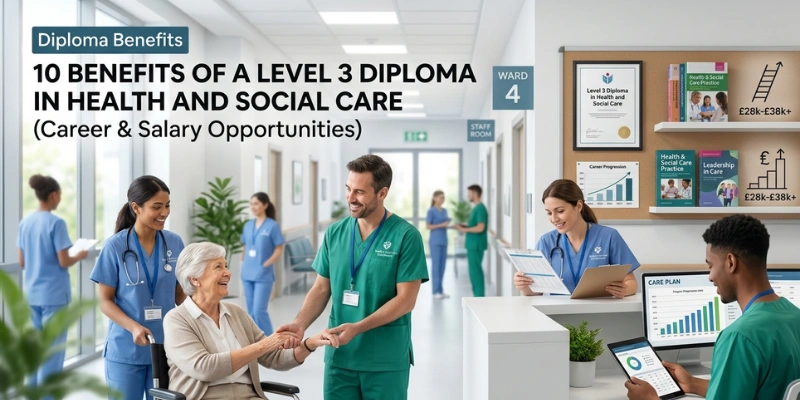

If you are considering a career in healthcare or community support, you may be wondering whether a Level 3 Diploma in Health and Social Care certificate is worth it. This qualification offers several important benefits, including stronger career opportunities, practical care skills, and a pathway toward further education in healthcare and social services.
The health and social care sector is one of the most essential and rapidly growing industries. Professionals in this field support individuals who may need assistance with their health, daily living, or emotional wellbeing, helping them live safer and more independent lives.
For those who want to make a meaningful difference while building a stable and rewarding career, completing a Level 3 Diploma in Health and Social Care can be a valuable first step. The course introduces key care principles, communication skills, safeguarding practices, and professional responsibilities required in real care environments.
Table of Contents
Get Level 3 Health and Social Care for just £8 Today!
You won’t find this deal anywhere else!
Take The CourseUse Coupon Code:
Use this coupon at Checkout
What Are the Benefits of a Level 3 Diploma in Health and Social Care?
A Level 3 Health and Social Care provides learners with the knowledge and practical skills needed to work in healthcare and social care environments. The qualification can improve employability, open doors to roles such as healthcare assistant or support worker, and act as a pathway to further study in nursing, social work, or other healthcare professions. It also helps individuals develop essential care skills, including communication, safeguarding awareness, and person-centred care practices.
10 Key Benefits of Taking a Level 3 Diploma in Health and Social Care
1. Strong Career Opportunities
One of the biggest benefits of completing this diploma is access to a wide range of career opportunities within the healthcare and social care sector. The qualification helps learners develop the knowledge and practical understanding required to work in different care environments.

After completing the qualification, individuals may pursue roles such as:
- Healthcare Assistant
- Care Assistant
- Support Worker
- Residential Care Worker
- Mental Health Support Worker
- Community Care Worker
These roles exist in hospitals, care homes, community health services, and supported living environments.
2. Increased Employability
Employers in the care sector value candidates who have recognised qualifications and practical knowledge of care practices. A Level 3 diploma demonstrates that an individual has achieved a professional standard in health and social care.
Having this certification can significantly improve job prospects and help candidates stand out when applying for care-related roles.
3. Development of Practical Care Skills

The course provides practical knowledge required for real healthcare environments. Learners gain important skills such as:
- effective communication with patients and families
- supporting individuals with daily activities
- maintaining professional boundaries
- promoting independence and dignity
These skills are essential for delivering safe, respectful, and person-centred care in professional settings.
4. Understanding Safeguarding and Ethical Care
Safeguarding is a critical responsibility for anyone working in health and social care environments. During the diploma, learners develop an understanding of:
- safeguarding vulnerable adults and children
- recognising signs of abuse or neglect
- reporting concerns appropriately
- maintaining confidentiality and ethical standards
This knowledge helps ensure that vulnerable individuals receive safe and ethical care.
5. Pathway to Higher Education
A Level 3 Diploma is often considered equivalent to two A-levels, which means it can support progression into further education. Many students use this qualification as a pathway toward university courses such as:
- Nursing
- Social Work
- Public Health
- Healthcare Management
- Occupational Therapy
For individuals interested in long-term careers in healthcare, this qualification can be a valuable stepping stone.
6. Opportunities for Career Progression
The diploma not only helps individuals enter the sector but also supports long-term career progression.

With experience and additional training, professionals may progress into roles such as:
- Senior Care Worker
- Care Supervisor
- Team Leader
- Care Coordinator
- Registered Manager
Higher-level qualifications such as Level 4 or Level 5 diplomas can further support leadership roles within the care sector.
7. Personal Development and Confidence
Working in health and social care requires empathy, patience, and strong communication skills. Through training and practical learning, learners develop:
- confidence in supporting others
- problem-solving abilities
- emotional resilience
- teamwork skills
These qualities help professionals perform effectively in demanding care environments.
8. Opportunity to Make a Positive Difference
Many people choose health and social care careers because they want to support others and contribute to their communities. Professionals in this sector assist individuals who may be:
- elderly
- living with disabilities
- experiencing mental health challenges
- recovering from illness or injury
Providing care and support can have a meaningful and lasting impact on individuals and their quality of life.
9. Flexibility in Career Settings
Another advantage of the qualification is the wide range of workplaces available within the healthcare sector.

Health and social care professionals may work in:
- hospitals
- residential care homes
- community care services
- supported living environments
- rehabilitation centres
- mental health facilities
This flexibility allows individuals to explore different career paths and choose the environment that best suits their interests and career goals.
10. Growing Demand for Care Professionals
The health and social care sector is one of the largest employment sectors in the UK, employing millions of professionals. As the population ages and healthcare needs increase, the demand for trained care workers continues to grow.
This means individuals with recognised qualifications often have strong employment prospects and opportunities for long-term career stability.
What Is a Level 3 Diploma in Health and Social Care?
A Level 3 Diploma in Health and Social Care is a professional qualification designed to prepare individuals for roles within the healthcare and social care sector. It provides learners with a combination of theoretical knowledge and practical understanding required to support individuals with different care needs.
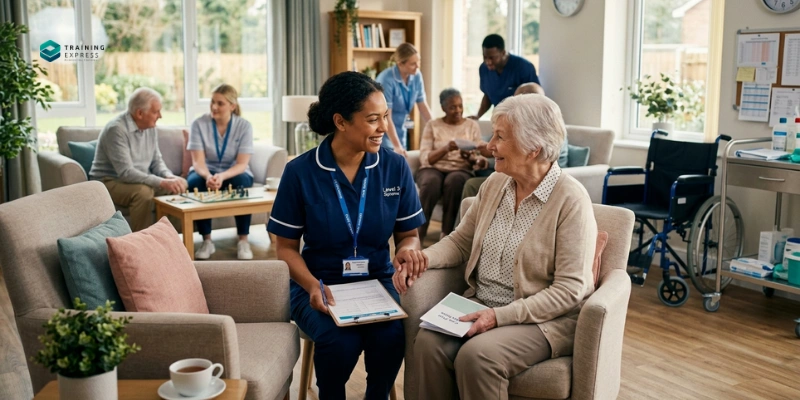
Typical topics covered in the course include:
- safeguarding and protection in care settings
- communication in health and social care
- person-centred care approaches
- equality and diversity in care environments
- health and safety responsibilities
- professional ethics and responsibilities
By completing the course, learners gain the knowledge needed to work effectively in hospitals, care homes, community services, and other healthcare settings.
Career Opportunities After Completing a Level 3 Health and Social Care Diploma
Completing a Level 3 Diploma in Health and Social Care can open the door to a wide range of career opportunities within the healthcare and social care sector.
Common roles include:
- Healthcare Assistant
- Care Assistant
- Support Worker
- Residential Care Worker
- Community Care Worker
- Mental Health Support Worker
These roles can be found in various settings, including hospitals, residential care homes, supported living environments, community care services, and rehabilitation centres.
With further training and experience, professionals may progress into senior roles such as care supervisor, team leader, or care coordinator.
Skills You Gain from a Health and Social Care Diploma
Completing the diploma helps learners develop both professional and transferable skills, including:
- communication and interpersonal skills
- safeguarding awareness
- teamwork and collaboration
- ethical decision-making
- understanding of healthcare systems
These skills are valued by employers across healthcare and social care environments.
Who Should Take a Level 3 Health and Social Care Course?
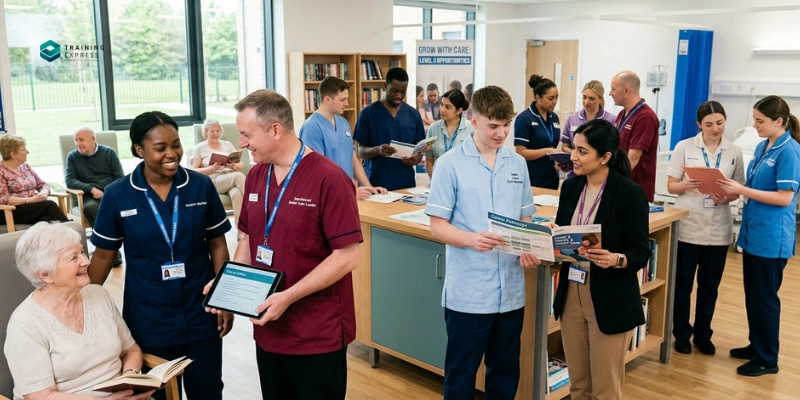
This qualification is suitable for individuals who:
- want to start a career in healthcare or social care
- already work in care and want to develop their skills
- plan to progress into nursing or social work
- want to improve their understanding of care practices
The course is designed for both beginners and professionals seeking career development.
Growing Demand for Health and Social Care Professionals
The demand for trained health and social care professionals continues to increase across the UK. An ageing population, rising healthcare needs, and expanding community care services mean that organisations regularly seek qualified care workers.
Because of this growing demand, individuals who complete recognised qualifications such as a Level 3 Diploma in Health and Social Care often have strong employment prospects in the care sector.
For many people, this makes health and social care not only a meaningful career choice but also a stable long-term profession.
How Long Does It Take to Complete a Level 3 Health and Social Care Diploma?
The time required to complete a Level 3 Diploma in Health and Social Care can vary depending on the course provider and the learning format. Many learners complete the qualification within 6 to 12 months, but in Training Express you can complete the course within 13hr 35min particularly when studying part-time or through flexible online learning programmes.
Some training providers offer self-paced courses that allow learners to progress through the material at their own speed. This flexibility can be helpful for individuals who are already working or managing other responsibilities while studying.
For learners studying the qualification as part of a full-time programme, the course may be completed more quickly. However, the duration often depends on the depth of study, assessment methods, and whether practical placement experience is included.
Salary Expectations in Health and Social Care Careers
Entry-level roles in health and social care offer stable income and opportunities for progression.
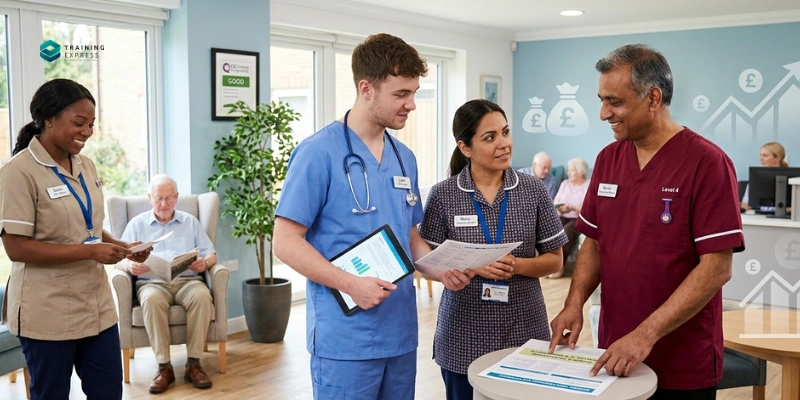
Typical UK salary ranges include:
- Healthcare Assistant: £20,000 – £26,000 per year
- Care Worker: £19,000 – £25,000 per year
- Support Worker: £21,000 – £27,000 per year
- Senior Care Worker: £25,000 – £32,000 per year
- Home Care Coordinator: £24,000 – £30,000 per year
- Community Care Worker: £21,000 – £28,000 per year
- Residential Care Home Manager: £28,000 – £38,000 per year
- Dementia Support Worker: £20,000 – £27,000 per year
- Learning Disability Support Worker: £21,000 – £29,000 per year
- Clinical Support Worker: £22,000 – £30,000 per year
- Rehabilitation Assistant: £20,500 – £28,000 per year
- Mental Health Support Worker: £22,000 – £31,000 per year
- Registered Care Manager: £30,000 – £42,000+ per year
With experience and additional qualifications, professionals can progress into higher-paying leadership roles in the healthcare sector.
Start Your Career in Health and Social Care
If you are interested in building a career in healthcare, gaining structured knowledge can help you develop the skills required in professional care environments.
A Level 3 Diploma in Health and Social Care introduces learners to safeguarding, communication, person-centred care, and professional responsibilities required in healthcare settings.
This qualification can be an excellent starting point for individuals who want to work in hospitals, community care services, or residential care environments.
Frequently Asked Questions (FAQ)
Is Level 3 Health and Social Care a good qualification?
Yes. The Level 3 Diploma in Health and Social Care is widely recognised in the UK and provides the knowledge and skills needed to work in healthcare and care environments. It also improves employability and supports career progression.
What jobs can you get with a Level 3 Diploma in Health and Social Care?
Common roles include healthcare assistant, care worker, support worker, residential care worker, and mental health support worker.
Can I work in the NHS with a Level 3 health and social care diploma?
Yes. Many NHS roles such as healthcare assistant or community care worker accept candidates with a Level 3 health and social care qualification.
Can this qualification lead to a nursing career?
Yes. Many students use the Level 3 Diploma as a stepping stone to university courses in nursing or other healthcare professions.
How long does it take to complete a Level 3 Health and Social Care diploma?
The duration of a Level 3 Diploma in Health and Social Care varies depending on the course provider and learning format. Many online programmes allow learners to complete the qualification within several months Training Express offers an online, CPD-accredited and QLS-endorsed Level 3 Health and Social Care course that meets UK industry standards, can be completed in just 13 hours and 35 minutes, and allows learners to study at their own pace.