Food Hygiene
 Health & Safety
 Safeguarding
 First Aid
 Business Skills
 Personal Development
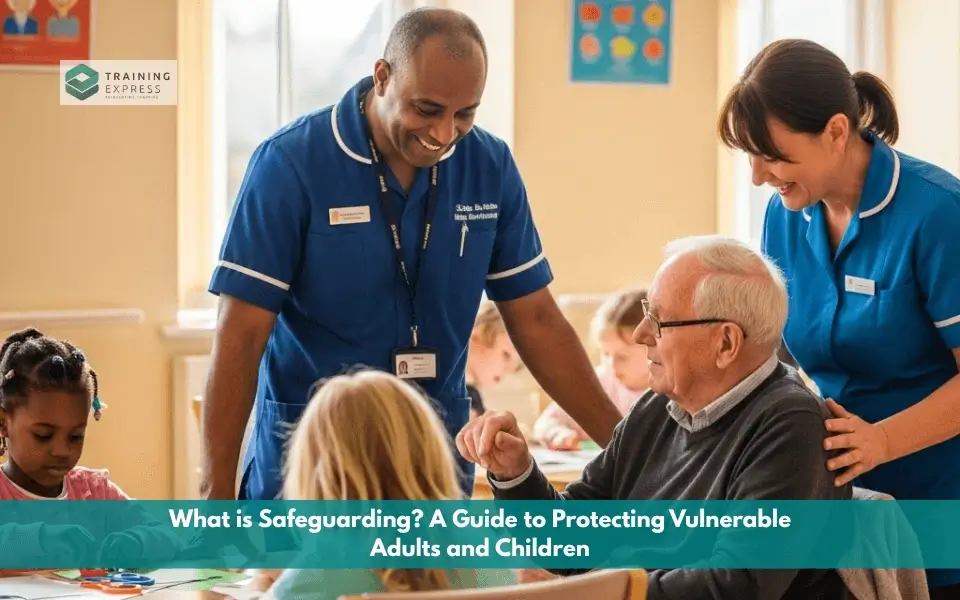

Safeguarding is more than just a legal requirement or a set of policies—it’s a moral duty to protect those who may be at risk of harm. Whether it’s a child in need of care or an adult who may be vulnerable due to age, disability, or circumstance, safeguarding ensures their safety, dignity, and wellbeing are respected and upheld.
In this article, we’ll explore the fundamental principles behind safeguarding, with a particular focus on vulnerable adults. You’ll learn what safeguarding really means, the range of issues it addresses, and how to recognise when someone might be at risk. We’ll also look at why safeguarding training matters not only for professionals but for anyone in a position of trust or responsibility.
Whether you’re working in healthcare, education, social services or simply want to be better informed, this article will provide a clear and practical overview of safeguarding and why it’s so vital.
Table of Contents
What is Safeguarding?
Although the concept of safeguarding has been around for a few decades, many individuals are still unaware of its precise nature.
In the UK and Ireland, the phrase “safeguarding” refers to a broad range of actions taken to safeguard people’s health, welfare, and human rights.
When it comes to children, adolescents, and vulnerable adults, in particular, safeguarding can be applied in a variety of contexts. And this is to guarantee that the people can live without being abused, hurt, or neglected.
Everyone has the right to live their life without fear of violence, and it is particularly crucial that those who are perceived as being at risk feel safe and secure.
The Basic Principles of Safeguarding Vulnerable Adults

The Care Act of 2014 lays out six fundamental safeguarding principles. The following guidelines describe how to protect adults:
Empowerment: is the process by which people are given the confidence and assistance to make their own decisions and provide their permission on things pertaining to their care.
Prevention: Make an effort to take action before harm is caused.
Proportionality: Considering each person’s requirements while addressing a safeguarding issue in the least invasive manner possible.
Protection: Taking prompt action to address concerns and remove the person from the situation in order to support and represent those who are most in need.
Partnership: Local solutions, collaborating with local services. This aids in the prevention, identification, and reporting of possible abuse and neglect.
Accountability: To be held responsible for something that falls within their purview in relation to safety procedures.
These guidelines serve to highlight the idea that all people are human beings with needs and wants, regardless of their circumstances.
Different Issues Safeguarding Covers
Safeguarding becomes important in a wide range of circumstances. Adults and children can become vulnerable in a variety of situations. Among these circumstances are:
Human trafficking: The recruiting, harbouring, transportation, and transfer of individuals for the purpose of exploitation is known as human trafficking. Usually, threats, kidnapping, and deceit are used to do this. as ‘commodities’ for activities like forced prostitution and forced labour.
Domestic violence and abuse: It is defined as one instance or a pattern of violent, demeaning, threatening, and controlling conduct, including sexual violence. Most of the time, a partner or ex-partner does this, but family members and carers also do it.
Modern slavery: It is the exploitation of people by violence and threats, much to human trafficking.
Female genital mutilation: It is a practice in which a woman’s genitalia are purposefully cut, harmed, or altered without any medical justification. Girls between the ages of one and fifteen are typically the subjects. While it is illegal in the UK, it is widespread in Asia, Africa, and the Middle East.
Dignity: It is a person’s own feeling of respect and value for themselves.
How to Identify a Vulnerable Adult
A person above the age of eighteen who is in danger or who does not possess the most fundamental life skills to take care of themselves is considered an adult. Instead of being unwilling, some people are unable to acquire or retain key life skills.
A person must be incapable of improving their situation on their own without the help of more capable people in order to be considered vulnerable. If help isn’t given, they must also be viewed as a risk to themselves.
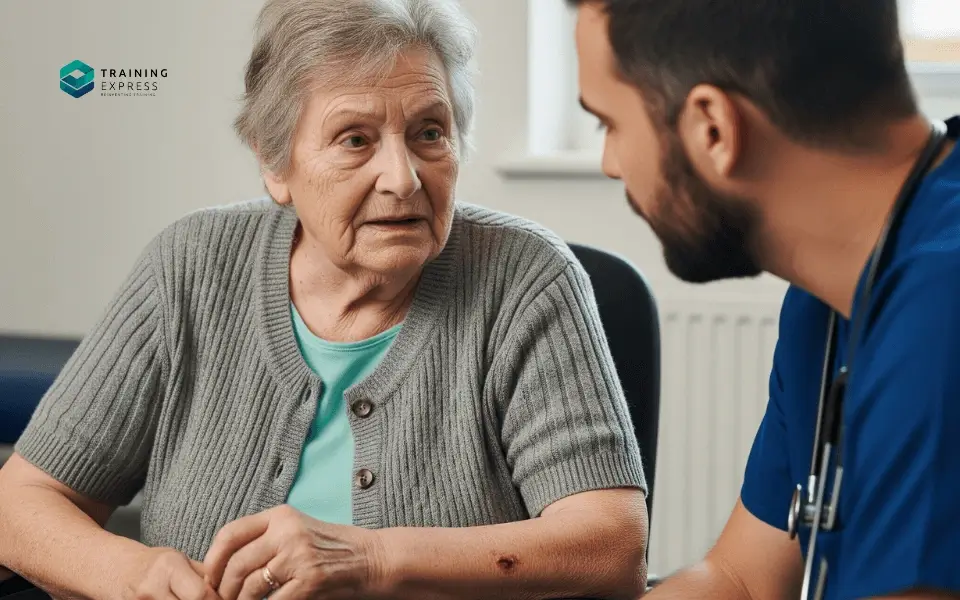
There are many folks from a variety of backgrounds that we consider to be at risk. Those who might be most vulnerable include:
- Adults that struggle with mental health issues Putting them at danger of hurting themselves or other people
- Problems with drugs and alcohol Being a possible danger to themselves and experiencing mental and physical suffering
- Physical and mental disabilities make them susceptible.
- The homeless may be going through emotional and physical hardship.
- Elderly: They may have physical or mental impairments that make them more susceptible.
But not everyone who fits into these groups is inherently “vulnerable.”
Safeguarding Adults and Vulnerable Adults
Everyone is entitled to a sense of security and to live without worrying about being abused, neglected, or taken advantage of. We adhere to the fundamental guidelines of the Care Act 2014 in order to protect adults and vulnerable adults. The act acknowledges that municipal governments are unable to protect people on their own. They can only accomplish this by raising public awareness and collaborating closely with the NHS, the Police, and other important organisations.
The Care Act requires that each of these local authorities must:
- If an adult is thought to be at risk of abuse or neglect, enquire about them.
- If any action is necessary to prevent abuse or neglect, an investigation should be conducted to ascertain who should take it.
- Create a Board for Safeguarding Adults.
- When necessary, make arrangements for an impartial entity to assist and speak on behalf of the adult under investigation.
- To protect adults who are being abused or at risk of being neglected, collaborate with all pertinent organisations.
Why is Training Important to Safeguarding of Vulnerable Adults?
When trying to protect adults who are at risk, safeguarding training is essential. When working with adults who are at risk, it’s critical to comprehend:
- What abuse is: Preventing the continuation of abuse or neglect requires an awareness of what abuse is and how it impacts each individual.
- The circumstances in which an adult is at danger: by recognising potential risk scenarios, we can stop harm before it happens.
- The indicators of abuse: By identifying the warning signals of abuse or neglect early on, suitable measures can be made to protect the person and provide them with the care and assistance they require as soon as possible.
- The significance of acting: reporting abuse or neglect according to the proper procedures entails assisting the victim in leaving the circumstance as soon as possible and giving them the assistance they need.
The Basic Principles of Safeguarding Vulnerable Adults
- Good practice guidelines: making sure that procedures are followed correctly to prioritise the individual’s well-being
- Understanding individual needs: Recognise that no two persons are the same and avoid using a “one size fits all” strategy.
Giving individuals the right kind of support when they need it depends on all of these aspects. As a result, the adults receive the finest care possible for their unique needs.
Conclusion
Safeguarding is not just the responsibility of professionals—it’s a collective effort that depends on awareness, vigilance, and a willingness to act when something doesn’t seem right. Whether you’re involved in care, education, social work, or simply part of a community, understanding the risks faced by vulnerable adults and knowing how to respond is essential.
As society evolves, so too do the challenges individuals face. From financial exploitation to modern slavery, the forms of abuse can be complex and often hidden. This makes it all the more important to remain informed, observant, and ready to take action within the frameworks established by legislation like the Care Act 2014.
Ultimately, safeguarding is about creating environments where people feel respected, listened to, and safe. With the right knowledge and commitment, each of us has the potential to make a meaningful difference in the lives of those who might otherwise go unnoticed or unsupported.
Frequently Asked Questions
What is safeguarding and why is it important?
Safeguarding is the proactive process of protecting vulnerable individuals, especially children and at-risk adults, from harm, abuse, or neglect. It involves creating safe environments through policies, training, and awareness. Safeguarding is crucial because it prevents physical, emotional, or psychological harm, ensuring well-being and dignity. By prioritizing early intervention and risk assessment, it builds trust in communities and organizations. Effective safeguarding not only complies with legal standards but also fosters a culture of care, empowering individuals to feel secure and supported.
Why is safeguarding important in the workplace?
Safeguarding in the workplace is crucial to protect employees from harm, abuse, or neglect, ensuring a safe, inclusive environment. It promotes well-being, boosts morale, and enhances productivity by fostering trust. Effective safeguarding policies prevent discrimination, harassment, and unsafe practices, reducing legal risks and reputational damage. By prioritizing physical and mental health, businesses comply with regulations and demonstrate ethical responsibility. Training staff to recognize and report concerns empowers a proactive culture, minimizing incidents. A safeguarded workplace attracts talent, retains employees, and builds a positive reputation, making it a cornerstone of organizational success.
What are examples of safeguarding?
Safeguarding protects vulnerable individuals from harm, abuse, or neglect. Examples include: conducting background checks for staff working with children or vulnerable adults, implementing strict data privacy measures to secure personal information, providing training on recognizing abuse signs, establishing clear reporting protocols for concerns, and creating safe environments with policies like anti-bullying or whistleblowing. Regular risk assessments, secure record-keeping, and ensuring informed consent are also key. These proactive steps, rooted in legal frameworks like the UK’s Care Act 2014, prioritize safety and well-being, making safeguarding effective across settings like schools, healthcare, and workplaces, ensuring protection while fostering trust and accountability.
What are the safeguarding policies?
Safeguarding policies are guidelines ensuring the protection of vulnerable individuals, like children or at-risk adults, from harm, abuse, or neglect. These policies outline procedures for risk assessment, staff training, reporting mechanisms, and compliance with legal standards. They prioritize safety, promote accountability, and foster a secure environment in organizations, schools, or care settings. Effective policies include clear reporting channels, regular policy reviews, and collaboration with local authorities. By implementing robust safeguarding measures, organizations demonstrate commitment to ethical practices and community trust. For detailed frameworks, refer to government or industry-specific guidelines, ensuring alignment with current regulations.
Why is safeguarding training important?
Safeguarding training is crucial for protecting vulnerable individuals, such as children or at-risk adults, from harm, abuse, or neglect. It equips employees, volunteers, and organizations with the knowledge to recognize warning signs, respond appropriately, and prevent incidents. Effective training ensures compliance with legal requirements, fosters a safe environment, and builds trust within communities. By prioritizing safeguarding, organizations demonstrate their commitment to ethical practices and risk management. Regular training updates staff on evolving policies and best practices, enhancing their confidence in handling sensitive situations. Ultimately, safeguarding training saves lives, prevents harm, and promotes a culture of care and responsibility