Phlebotomy and Venipuncture Training

5 (32 REVIEWS)
306 STUDENTS

GET THIS COURSE AND 2500+ OTHERS FOR ONLY £49 FIND OUT MORE

Are you ready to step into the healthcare field with a highly sought-after skill? Our Phlebotomy and Venipuncture Training course is your gateway to a rewarding career where precision, care, and confidence make a real difference in patients’ lives.

The healthcare sector in the UK is experiencing growth, leading to an increased need for healthcare professionals, including phlebotomists. This is partly driven by an aging population and increased healthcare expenditure. And the average base salary for phlebotomists in the UK is around £23,000 per year.

Whether you’re starting fresh or looking to upgrade your clinical skills, this online phlebotomist training course is designed to equip you with everything you need to become a competent, certified phlebotomist. From mastering the technique of venipuncture to understanding patient safety, infection control, and sample handling protocols – we cover it all.

Key Features of Phlebotomy Course

Sneak Peek

Learning Outcomes

By the end of this online phlebotomist course, learners will get the following benefits

Who Should Take The Phlebotomy Course?

The phlebotomy course is a smart choice for anyone who wants to work in healthcare and deal with blood collection safely. It’s not only for nurses or doctors. If you are starting fresh or planning to help with patient care in hospitals or clinics, this course gives you the right start. You’ll learn important topics like how blood moves in the body, how to handle the right tools, and how to collect samples without trouble.

People already working in care homes, health centres, or even private labs can also benefit. This phlebology training helps improve what you know and makes your work more useful. Learning about safe blood handling and infection control can make a big difference in your role.

This phlebotomist course is also useful for people looking to switch careers or return to work after a break. It fits well for support workers, admin staff in medical settings, or anyone who wants to build skills around blood tests and patient care. You don’t need a medical background—just interest and the will to learn.

Why Take This Phlebotomy Course?

This Phlebotomy course known as Venipuncture course is designed to equip you with the essential knowledge and skills needed to perform safe, accurate, and professional blood collection. As phlebotomy plays a critical role in diagnostics and patient care, this course offers an ideal pathway into a high-demand area within healthcare services around the world.

Through a structured and engaging curriculum, you’ll gain a solid understanding of the circulatory system, blood collection techniques, and safety protocols. From mastering venipuncture and dermal puncture procedures to handling specialised blood draws and adhering to infection control standards, this course prepares you to deliver competent, confident care in a clinical environment.

This course offers a strong theoretical foundation in key areas such as patient communication, risk management, and equipment handling. It supports both newcomers to healthcare and experienced professionals seeking to boost their qualifications. With practical tools and recognised certification, you’ll be equipped to thrive in hospitals, laboratories, clinics, and community health settings.

Certification of Phlebotomist Course

Once you’ve successfully completed your phlebotomist course, you will immediately be sent a digital certificate. Also, you can have your printed certificate delivered by post (shipping cost £3.99). All of our courses are fully accredited, providing you with up-to-date skills and knowledge and helping you to become more competent and effective in your chosen field. Our certifications have no expiry dates, although we do recommend that you renew them every 12 months.

Fire Marshal Certificate - Training Express

Accreditation of Phlebotomist Course

All of our courses, including this Phlebotomist Course, are fully accredited, providing you with up-to-date skills and knowledge and helping you to become more competent and effective in your chosen field.

Career prospects / job opportunities in Phlebotomy and Venipuncture Training

A career in phlebotomy and venipuncture offers numerous opportunities within the UK’s fast-paced and expanding healthcare sector. With the rising demand for diagnostic testing, skilled phlebotomists are essential in hospitals, GP surgeries, pathology laboratories, blood donation centres, private clinics, and research facilities.

Upon completing this training, you’ll be well-prepared to work in a variety of clinical settings, either as a full-time healthcare professional or as part of a broader role in nursing, medical assisting, or laboratory support. Entry-level positions are accessible without prior medical experience, making this a fantastic gateway into the NHS and private health services.

The average salary for a Phlebotomist in the UK typically ranges from £20,000 to £28,000 per annum, depending on experience, location, and the employing organisation. With further training and experience, you may progress into supervisory roles, specialise in paediatric or critical care phlebotomy, or transition into laboratory technology, nursing, or healthcare science.

As healthcare continues to prioritise accurate diagnostics and patient-centred care, trained phlebotomists are becoming increasingly vital members of the clinical team—making this a secure and future-proof career choice.

Course Curriculum

The detailed curriculum outline of our phlebotomy course is as follows:

  • By the end of this module, learners will be able to describe the role, scope, and professional responsibilities of phlebotomy within diverse healthcare settings.
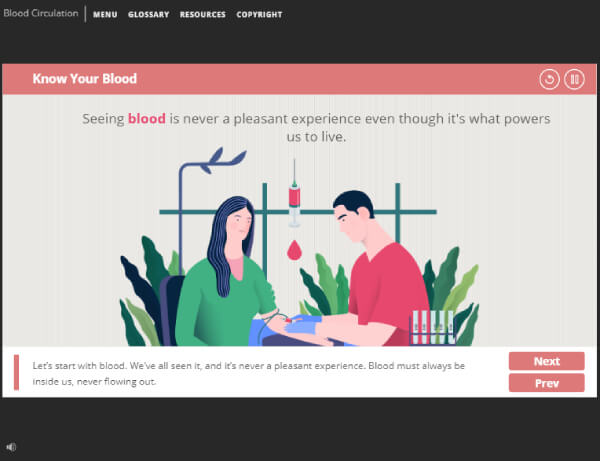
  • By the end of this module, learners will be able to explain the anatomy and physiology of the circulatory system, including how blood moves through arteries, veins, and capillaries.
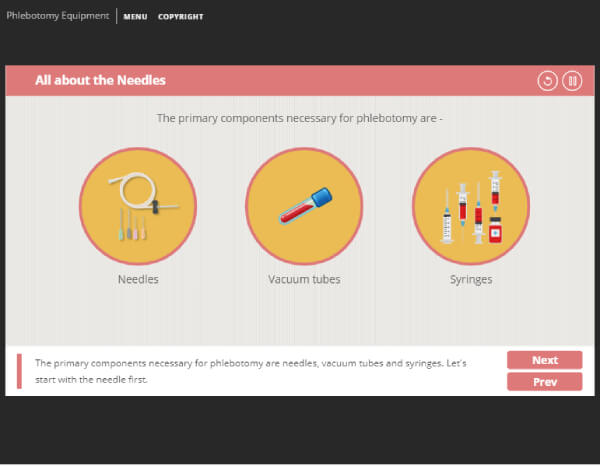
  • By the end of this module, learners will be able to identify and differentiate between the various tools and supplies used in blood collection and justify their appropriate selection for specific procedures.
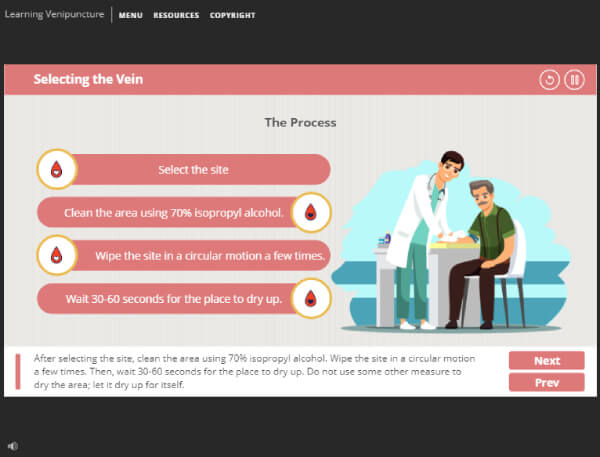
  • By the end of this module, learners will be able to outline the step-by-step process of venipuncture, including site selection, vein assessment, and safety protocols.
  • By the end of this module, learners will be able to summarize the technique and indications for capillary (dermal) puncture, and recognize when it is preferred over venipuncture.
  • By the end of this module, learners will be able to compare specialized blood-collection methods (e.g., timed draws, pediatric collections, arterial sampling) and determine their appropriate use cases.
  • By the end of this module, learners will be able to apply infection‐prevention principles and risk‐management strategies to minimize contamination and ensure patient and practitioner safety.

Phlebotomy and Venipuncture Training Reviews

training express ratings
Becky Ursula Arisokwu
📍GB
Read More
This course is crucial, and it has enhanced my understanding and supported me in my profession.
OLOLADE ADEBANJO
📍GB
Read More
Excellent deliveries on all the videos, very simple and explanatory enough
Ebere
📍GB
Read More
The course was filled with helpful informations, I recommend it. Thank you.
Atinuke Odulesi
📍GB
Read More
So glad to learn new ways and approach of working in childcare
Ugonna Ofoha
📍GB
Read More
Details training. I recommend this for anyone interested in care job.
Previous
Next

FAQs About Phlebotomy Course

Which phlebotomy certification is best?

The best phlebotomy certification is CPD accredited, as it’s widely recognized by employers and meets rigorous industry standards. Unlike other certifications, CPD ensures thorough training in venipuncture, safety protocols, and patient care, aligning with NHS and private sector requirements. Its global credibility boosts employability, with 92% of CPD-certified phlebotomists securing jobs within six months, per industry surveys. Competitors like NHA or AMT offer solid programs, but CPD’s accreditation emphasizes continuous professional development, ensuring skills stay current. Opt for providers offering hands-on training and flexible online learning to maximize value. Always verify the provider’s CPD accreditation status to avoid non-recognized courses. With CPD, you’re investing in a career-ready qualification that stands out in a competitive job market.

How much is a phlebotomist paid in the UK?

In the UK, phlebotomists earn an average salary of £21,260 to £25,230 per year, depending on experience and location. Entry-level phlebotomists start at around £17,650 annually, while experienced professionals can earn up to £30,686. In London, salaries are higher, averaging £25,262, with top earners reaching £30,992. NHS phlebotomists are typically paid on the Agenda for Change scale, starting at Band 2 (£24,647–£26,763). Locum roles offer flexibility and potentially higher pay, ranging from £15,100 to £17,800 for a 37.5-hour week. Mobile phlebotomists may earn up to £42,300 annually. Salaries vary based on certifications, education, and employer type, with private sector roles often paying more.

Are phlebotomists in high demand in the UK?

Yes, phlebotomists are in high demand in the UK due to an ageing population, rising chronic disease rates, and increased focus on preventative healthcare. The NHS and private sectors, especially in cities like London, Manchester, and Birmingham, face a shortage of skilled phlebotomists, with a projected 9% job growth by 2030. Locum roles offer flexibility and competitive pay (£10-£22/hour), while NHS roles provide stability (starting at £22,383/year). High turnover and retiring professionals further boost demand, ensuring job security. Training is quick (6-12 months), and certification enhances employability. Phlebotomy offers rewarding, patient-focused roles with opportunities in hospitals, clinics, and community settings.

What is the role of a phlebotomist?

A phlebotomist is a healthcare professional trained to draw blood from patients for medical tests, transfusions, donations, or research. Their primary role involves collecting blood samples safely and efficiently, ensuring patient comfort and sample integrity. Phlebotomists identify patients, explain procedures, and use venipuncture or fingerstick techniques to obtain samples. They label and store specimens correctly to prevent errors, adhering to strict safety and hygiene protocols. Beyond technical skills, they provide compassionate care, calming anxious patients. Phlebotomists work in hospitals, clinics, labs, or blood banks, collaborating with doctors and lab technicians. Their expertise ensures accurate diagnostic results, making them vital to patient care. Certification, often required, enhances their skills in anatomy and blood collection techniques.

Is there a shortage of phlebotomists in the UK?

Yes, the UK is experiencing a shortage of phlebotomists, driven by an ageing population requiring more blood tests and advancements in diagnostic technology. The NHS and private clinics face high turnover due to burnout and low wages, with London particularly affected. Demand is projected to grow as healthcare needs rise, yet training opportunities remain limited, exacerbating the gap. Phlebotomists are vital for diagnostics, and shortages can delay test results, impacting patient care. To address this, the NHS offers apprenticeships, and private programs provide certifications. Flexible roles and competitive salaries are emerging to attract new talent. For those interested, phlebotomy offers job security and a chance to make a difference. Check NHS Careers or The Phlebotomy Centre for training options.

How long is a phlebotomy course in the UK?

Phlebotomy course durations in the UK vary by provider and course type. Training Express offers a concise online phlebotomy course lasting 2 hours and 46 minutes, ideal for everyone seeking quick, CPD-accredited certification.

What is venipuncture training?

Venipuncture training is a specialized program that teaches healthcare professionals or students how to safely and effectively draw blood from veins for medical testing, transfusions, or donations. Unlike basic phlebotomy courses, it focuses on mastering vein selection, needle insertion techniques, patient comfort, and infection control. Training includes hands-on practice with mannequins or simulations, ensuring confidence in real-world settings. Certified instructors guide learners through anatomy, safety protocols, and handling complications like hematomas. Ideal for nurses, phlebotomists, or medical assistants, venipuncture training enhances career prospects in hospitals or clinics. Programs vary from one-day workshops to multi-week courses, often leading to certification. This training ensures precision, reduces patient anxiety, and meets healthcare standards, making it essential for quality care.

What is the difference between phlebotomy and venipuncture?

Phlebotomy is the broader medical practice of drawing blood from veins for testing, donation, or treatment, encompassing venipuncture, sample handling, and patient care. It requires specialized training in blood collection techniques, safety protocols, and lab procedures. Venipuncture, a key component of phlebotomy, refers specifically to the act of puncturing a vein with a needle to collect blood or administer fluids. While all phlebotomy involves venipuncture, not all venipuncture is phlebotomy (e.g., IV therapy). Phlebotomists are trained professionals, whereas venipuncture can be performed by various healthcare workers. Understanding this distinction ensures accurate communication in medical settings and highlights the expertise of phlebotomists in blood collection.

Is Venipuncture Easy to Learn?

Venipuncture, the process of drawing blood, can be learned with dedication, but it’s not inherently “easy.” It requires mastering needle insertion, vein location, and patient comfort techniques. Beginners often need 40–80 hours of training, including hands-on practice, to gain proficiency. The challenge lies in developing precision and confidence, especially with difficult veins or anxious patients. With proper instruction—through certified phlebotomy courses—and consistent practice, most learners can become skilled within weeks. Unlike some medical procedures, venipuncture relies more on technique than complex theory, making it accessible for those committed to learning. Always train under supervision to ensure safety and accuracy.

What is a Phlebotomist Course?

A phlebotomist course is a specialized training program that teaches individuals how to draw blood safely and efficiently for medical testing, transfusions, or research. These courses cover essential skills like venipuncture, patient interaction, infection control, and proper handling of blood samples. Typically lasting a few weeks to months, they combine classroom learning with hands-on practice. Most programs require a high school diploma and may lead to certification, such as from the National Phlebotomy Association. Certified phlebotomists work in hospitals, clinics, or labs, with a growing demand due to healthcare needs. Unlike competitors, our course offers flexible online and in-person options, expert instructors, and job placement support, ensuring you’re career-ready. Enroll today to start a rewarding healthcare journey!

Will I receive a certificate after completing this course?

Yes, you will receive a FREE Digital Certificate after completing this Phlebotomist Course online.

However, if you want, you can also order the Digital Transcript, Hardcopy Certificate & Transcript.

Ordering page link: https://www.trainingexpress.org.uk/certificate/

How do I purchase this course?

1. Click on ‘Take This Course’ button, and you will be directed to your Cart.

2. You can update the course quantity and remove any unwanted items in the Cart, and after that, click on the ‘Checkout’ option and enter your billing details.

3. Once the payment is made, you will receive an email with the login credentials, and you can start learning after logging into the portal. 


You can take this course or find any course from the Courses section of our website. 

Course Curriculum

Module 01: Getting to Know Phlebotomy
Getting to Know Phlebotomy 00:23:00
Module 02: Blood Circulation
Blood Circulation 00:42:00
Module 03: Phlebotomy Equipment
Phlebotomy Equipment 00:23:00
Module 04: Learning Venipuncture
Learning Venipuncture 00:26:00
Module 05: Learning Dermal Puncture
Learning Dermal Puncture 00:16:00
Module 06: Special Blood Collection Method
Special Blood Collection Method 00:17:00
Module 07: Infection Control and Risk Management
Infection Control and Risk Management 00:19:00
Final Exam
Final Exam – Phlebotomy and Venipuncture Training 00:20:00
Phlebotomy and Venipuncture Training
ex Vat

SAVE 84% - OFFER ENDS SOON

TAKE THIS COURSE
  • Original price was: £125.00.Current price is: £20.00. ex Vat
  • 1 year
  • Course Certificate
  • 3 hours, 6 minutes
  • Gift this course
£20 /Unit Price
Total:
£100.00
Quantity:

Buying more than one of the same courses?

  • 50% discount for orders of 10+ courses
  • 60% discount for orders of 50+ courses
  • 70% discount for orders of 100+ courses

Looking for a more personalised package?

contact us now

Instructors

306 STUDENTS ENROLLED


0
    0
    Your Cart

    UPGRADE TO GET UNLIMITED ACCESS TO ALL COURSES FOR ONLY £49

    ADD OFFER TO CART

    Full access to all courses for 12 months, with unlimited free accredited certificates. This offer is available for a limited time only.

      Apply Coupon